



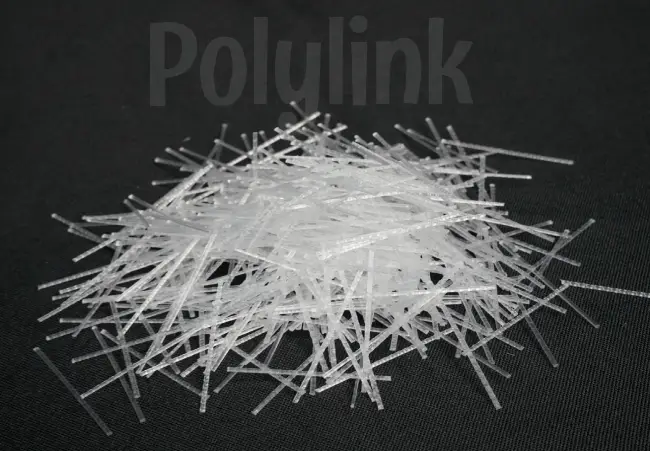
PP Macro Fiber Manufacturer
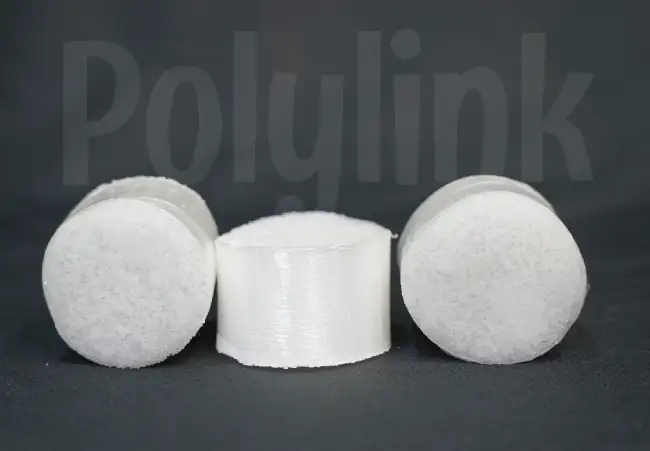
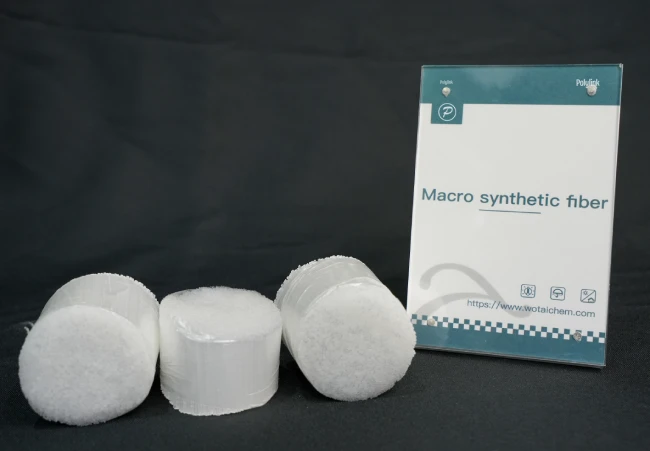
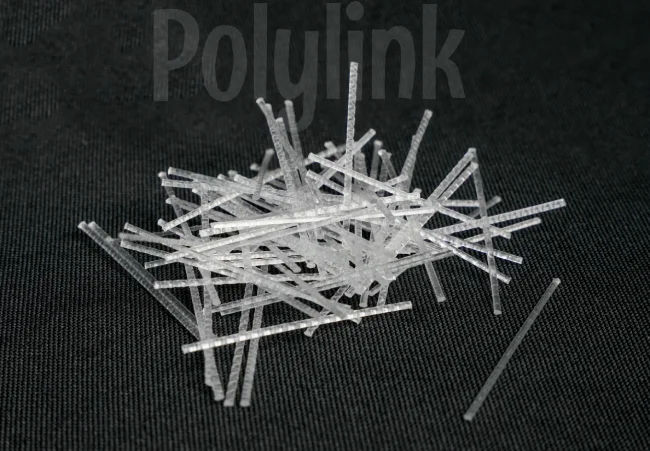
Macro synthetic fiber, also called PP macro fiber, is a substitute for steel fiber. PolylinkTM macro synthetic fiber not only maintains the exceptional strength and durability of steel fiber, but also offers the lightweight and corrosion resistance benefits of synthetic fiber.
PolylinkTM is a professional macro synthetic fiber supplier in China. We offer full customization per your needs. Options include fiber length, shape (straight, curved, wavy, etc.), and strength. It provides high tensile strength and toughness in both ordinary and reinforced concrete.
By introducing advanced customization technology from European, PolylinkTM has been a trusted manufacturer for concrete reinforcement fibers.
Polylink Macro Synthetic Fiber - Your Right Choice
PolylinkTM PP macro fiber is a new high-performance anti crack concrete fibers. Research indicates that macro synthetic fiber works better than polypropylene fiber in terms of mechanical strength and shrinkage‑resistance performance.
Our products boast numerous outstanding advantages as below. This leads us rank among the top 5 companies in China for the export volume of macro synthetic fiber. What makes us even prouder is, our PP fiber has been verified by the international construction chemical customers, including Sika-related applications.
(1) Produced with advanced European technology, a new generation of structural reinforcement synthetic fiber.
(2) Complies with global standards: ASTM C1116 / C1116M, ASTM D7508 / D7508M, NBR 16942, EN 14889-2.
(3) Cost-effective compared to steel fiber, PVA fiber, and PAN fiber.
(4) 6 automated production lines, producing over 100,000 tons of concrete fibers annually
(5) 100% regular orders are completed within one week, ensuring fast delivery
Macro Synthetic Fiber Product

Product Introduction
| Item | Parameters |
| Material | 100% Virgin Polypropylene |
| Colour | Transparent, black, white or customized, patterned |
| Shape | Straight/Curved/Wavy/Embossed (Bamboo)/Customized |
| Available Length | 25–55mm Customized (regular 25, 35, 40, 45, 50mm) |
| Diameter | 0.2, 0.6, 0.8, 1.0, 1.2mm |
| Melt Point | 160–170℃ |
| Acid and Alkali Resistance | Excellent |
Normal Tensile PP Macro Fiber
| Item | Parameters |
| Composition | 100% Virgin Polypropylene |
| Diameter | 0.2, 0.6, 0.8, 1.0mm |
| Length | 25 – 60mm(Customized) |
| Tensile Strength | ≥400MPa |
| Elastic Modulus | ≥4.0GPa |
| Elongation | 20 – 25% |
| Alkali & Acid Resistance | High |

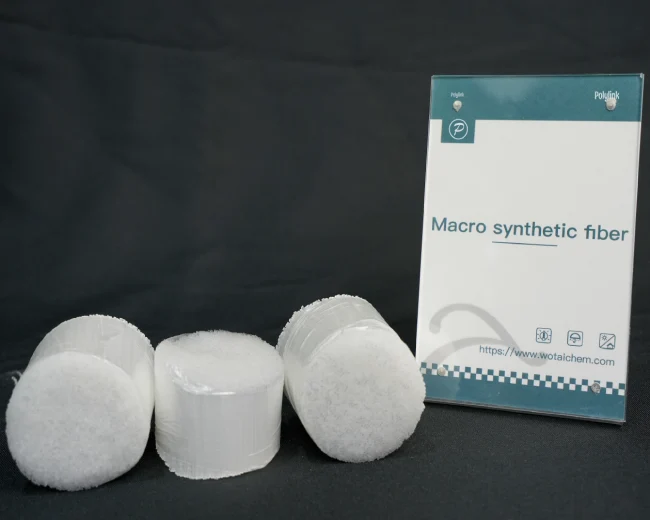
High Tensile PP Macro Fiber
| Item | Parameters |
| Composition | 100% Virgin Polypropylene |
| Diameter | 0.6, 0.8, 1.0mm |
| Length | 25 – 60mm(Customized) |
| Tensile Strength | ≥550MPa |
| Elastic Modulus | ≥5.0GPa |
| Elongation | 20 – 25% |
| Alkali & Acid Resistance | High |
Two Designs of Macro Synthetic Fiber for Concrete Reinforcement
| Item | Straight Macro Fiber | Profiled / Embossed Macro Fiber |
|---|---|---|
| Composition | 100% virgin polypropylene copolymer | |
| Geometric shape / structure | Nominal / equivalent diameter structure | Embossed / waved / profiled structure |
| Application scope | Concrete reinforcement, road concrete, slabs and related applications | Concrete reinforcement, road concrete, heavy slabs, bridge decks and precast applications |
| Tensile strength | 550–600 MPa | ≥550 MPa |
| Elastic modulus | ≥5000 MPa | ≥7500 MPa |
| Elongation at break | 10–15% | |
| Density | 0.91 g/cm³ | |
| Estimated fiber count per kg | Approx. 40,000 pcs/kg | Approx. 119,000 pcs/kg |
| Recommended dosage | Standard dosage 1.8–4.2 kg/m³ depending on design target and local specification | |
| Standards / certifications | ASTM C1116 Type III, CE 2765-CPR-0230 | |
| Mixing recommendation | Mix 4–5 minutes or around 70 revolutions for full dispersion. If slump decreases, water reducer or other admixture is recommended instead of adding extra water. | |
Why Choose Polylink?

Eco-friendly production is our belief. PolylinkTM has always been contributed to reducing global carbon emissions. Our production emits 40% less carbon compared to traditional steel fiber.

Our products comply with ISO 9001 and ASTM C1116 to ensure high quality and reliability. All products undergo third-party laboratory testing, with a pass rate of over 99.5%.

PolylinkTM chemical laboratory covers an area of 200㎡, allowing us to customize fiber dimensions, shapes, strengths, and other parameters based on customer requirements.
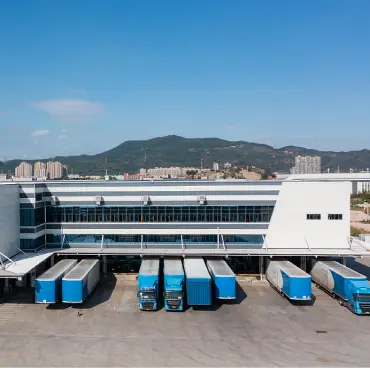 Logistics & Usage
PolylinkTM ensures a global delivery time of 7-14 days for major markets. Additionally, our technical team is always here for you to help optimize the properties of fiber-reinforced concrete.
 Payment Solutions
We offer flexible payment options for you: LC or installment payments. You can choose a 30-day payment term or installment plans to ease financial pressure.
 Quality Control
From raw materials to finished products, our QC system includes five inspection processes, keeping the product defect rate below 0.1%.
4 Outstanding Advantages - Macro Synthetic Fiber vs. Steel Fiber
1️⃣ More environmentally friendly, corrosion-resistant, and rust-free;
2️⃣ Lighter in weight, making transportation and construction more convenient;
3️⃣ Typically made from polypropylene or similar materials, offering lower costs;
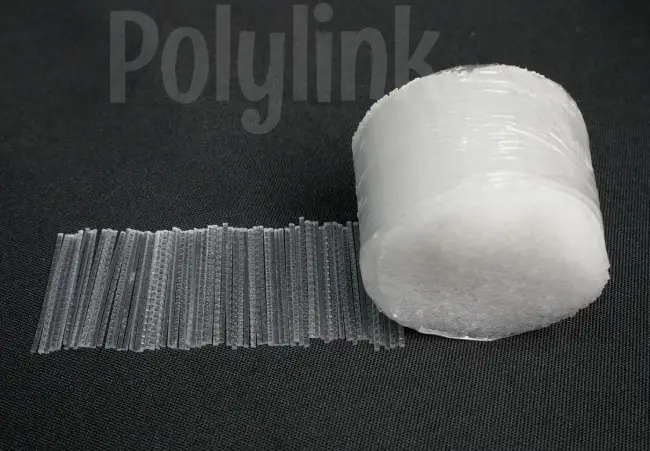
4️⃣ Packaged in water-soluble paper bags, allowing the entire bag of synthetic fibers to be directly added to the concrete mixer, significantly improving construction efficiency.
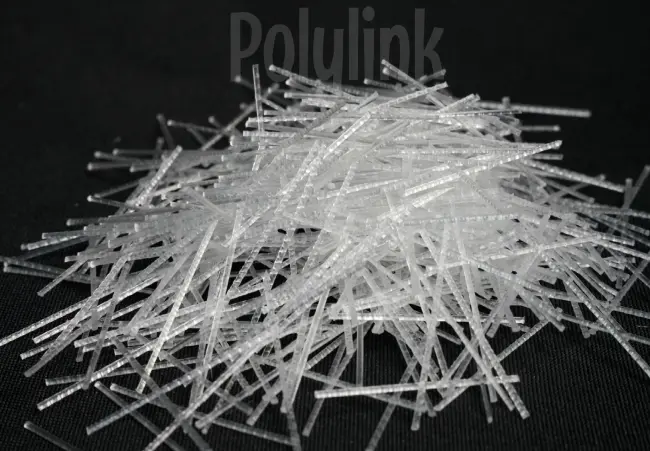
Your One-Stop Solution
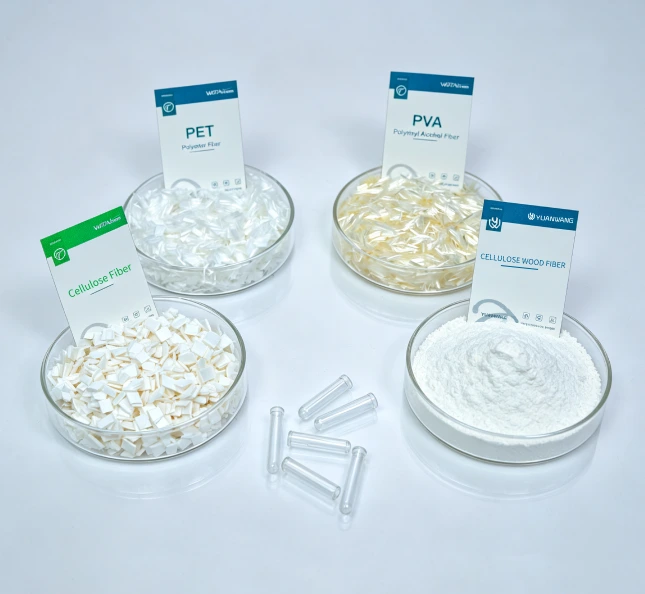
As one of the top 5 suppliers of concrete reinforcement fibers in China, PolylinkTM also offers you a variety of fiber products, ranging from common macro fiber composites to cellulose fibers.
Polypropylene Fiber Series:
▪️Macro Synthetic Fiber
▪️Polypropylene Monofilament Fiber
Other Fiber Series:
▪️Polyvinyl Alcohol Fiber – PVA Fiber
▪️Polyacrylonitrile Fiber – PAN Fiber
▪️Polyester Fiber – PET Fiber
▪️Cellulose Fiber
▪️Wood Cellulose Fiber
Additionally, we delve into the field of concrete applications, providing you with professional choices for concrete additives, such as water-reducing agents and set accelerating admixtures.
Free Sample - Fast delivery within 24 hours!
Are you looking for a tougher, longer-lasting concrete reinforcement solution? Act now and let PolylinkTM macro synthetic fibers revolutionize your project!
Claim Your Free Sample in 3 Simple Steps:
1️⃣ Leave a message or contact us on WeChat with your required specifications (project details preferred)
2️⃣ Our expert engineers will confirm the technical details one-on-one.
3️⃣ FedEx or DHL express shipping – lightning-fast delivery with full tracking.
After testing, place a bulk order to enjoy exclusive first-order discounts + on-site technical support!

Application Recommendations
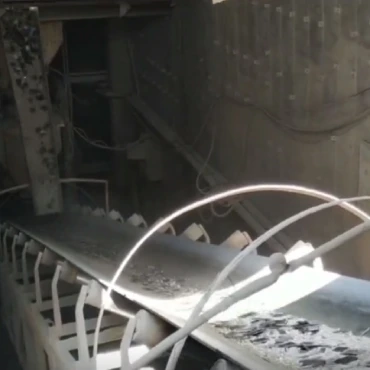 Feeding Process
Use dry-mixing method to ensure uniform dispersion of PP macro fiber. On the conveyor belt, dry sand and stone are first added, followed by the appropriate amount of fibers for concrete reinforcement. Once all the sand, stone, and macro fibers are in the hopper, dry mixing should be performed (without adding water).
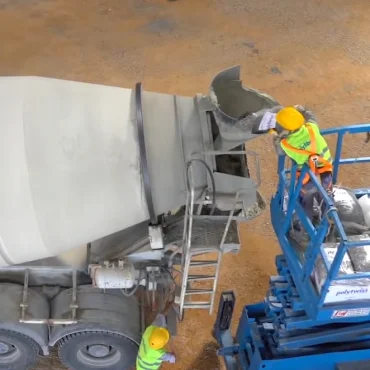 Mixing Process
During the mixing process, it is recommended to follow the ACI 304R-00 4.5.2 guidelines: first, mix at a speed of 70 to 100 revolutions at the plant, then mix an additional 30 revolutions at the construction site to ensure uniformity. For high PP macro fiber dosages, an additional 50% mixing time at charging speed may be required.
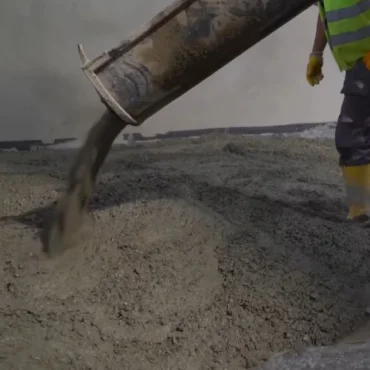 Placement
During placement, fiber-reinforced concrete can be poured using traditional methods such as chutes, hoppers, wheelbarrows, conveyors, and pumping. Since PP fiber concrete may be more viscous, it is recommended to use vibration screeds, laser screeds, or handheld vibrators to ensure proper compaction.
 Mix Design
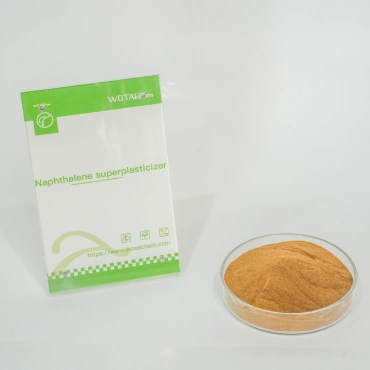
Due to the surface area of concrete reinforcing fibers, they consume part of the mortar components, reducing the workability and lubrication of the mix, which may lead to a decrease in slump. To restore workability, it is recommended to use a high-range water reducer, such as WOTAIchem Naphthalene Superplasticizer.
Packaging & Storage

>>Small Packaging: Bulk in plastic bags, with each bag typically weighing 2 – 3 KG. This is the standard packaging method.
>> Large Packaging: Small plastic bags containing 2 – 3 KG of macro synthetic fiber are further packed into woven bags for bulk packaging.
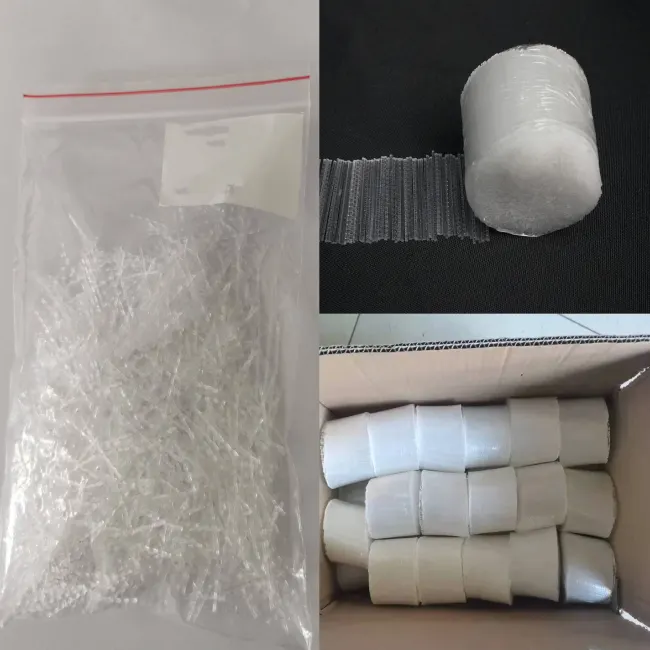
Plastic bag packaging: Standard plastic bag packaging is available. Small plastic bags can contain different weights of PP macro fiber, such as 0.5KG, 1KG, 2KG, or 3KG.
Other Custom Packaging Options:
>> Cartons & paper sacks
>> Bundled packaging
>> Water-soluble film bags
>> Water-soluble paper bags
>> Compression packaging
>> Private labeling upon request
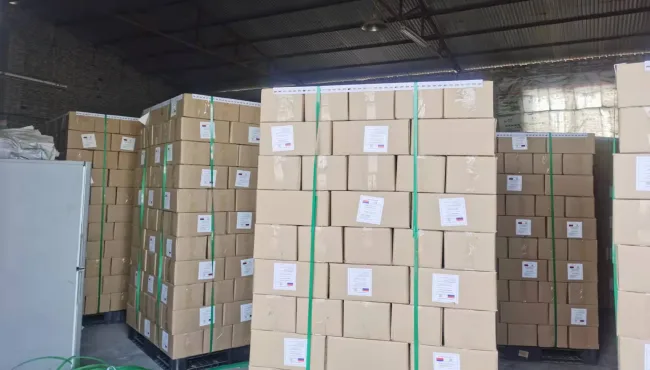
> > Keep in a dry and well-ventilated area
> > Away from acids, alkalis, salts, and other corrosive substances.
> > Store elevated to prevent ground moisture exposure.
Macro Synthetic Fiber Uses
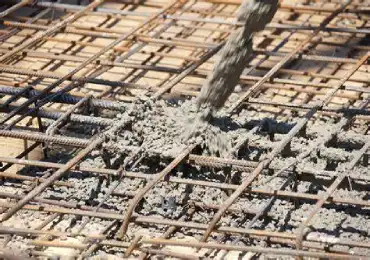
The fibers are evenly distributed, preventing plastic shrinkage and drying shrinkage cracks, significantly improving crack resistance and durability.

PP macro fiber is ideal for highways, airport runways, and heavy-load roads. Key benefits include high rutting resistance and easy construction.

Polypropylene fibers for plaster improve crack resistance and toughness. Used in interior gypsum boards, sculptures, and exterior wall finishes.

Enhances abrasion resistance and surface appearance of concrete. Ideal for floors, walls, and decorative applications.
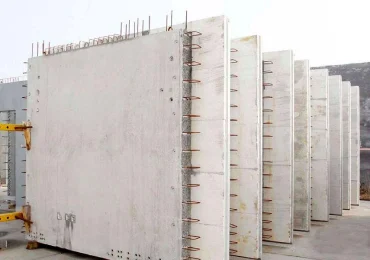
Improves crack resistance and durability of precast concrete components. Reduces damage during transport and installation.

Used in dams, canals, and water infrastructure to improve impermeability and durability.
Related Products



FAQ
Have any questions? We are always here to help you.
Macro synthetic fiber is a type of PP fiber, also known as PP macro fiber. It is a high-performance fiber material designed to enhance concrete properties. Typically made from polypropylene (PP) or other synthetic materials.
These fibers have macro dimensions and are used for structural reinforcement. When evenly dispersed in concrete, macro synthetic structural fiber bridges cracks, enhances crack resistance, toughness, and durability.
▪️Diameter: 0.2-1.2mm
▪️Length: 25-55mm
▪️Tensile Strength: ≥400MPa
▪️High chemical resistance
Fibers are typically added during the concrete mixing process.
▪️Dry Mixing: Add fibers before water, mixing them with aggregates (sand, stone) to ensure uniform dispersion.
▪️Wet Mixing: If fibers are shorter or in lower dosages, they can be added after water, but mixing time must be extended for even distribution.
The timing depends on fiber type, dosage, and construction requirements, following standards like ASTM C1116.
✅ Macro Synthetic Fiber (PP Macro Fiber) – Lightweight, corrosion-resistant, cost-effective
✅ PET Fiber – Medium strength, suitable for standard concrete
✅ PVA Fiber – High tensile strength, ideal for UHPC and special projects
✅ PAN Fiber – Chemically resistant, suitable for extreme environments (marine projects)
✅ Steel Fiber – High tensile strength but prone to rusting
✅ Glass Fiber – Lightweight but brittle
✅ Carbon Fiber – Ultra-high strength, but expensive
✅ Natural Fiber – Eco-friendly but less durable, used in low-strength concrete
Appearance:
| Types | Size Difference | |
| Microfiber | Monofilament | Typically 6-18 mm, with diameters<0.3 mm |
| Mesh | ||
| Macro fiber | Typically 38-52 mm, with diameters≥0.3 mm | |
Dosage:
| Types | Dosage Difference | |
| Microfiber | Monofilament | 0.3-0.9 kg/m³ |
| Mesh | 0.9 kg/m³ | |
| Macro fiber | 1.8-6.0 kg/m³ | |
Benefits to concrete:
Microfiber: Enhance durability against freeze-thaw cycles and abrasion. Compared with macro fibers, they contribute less to the mechanical properties of concrete.
Macro fiber: Improve mechanical properties of hardened concrete, especially post-crack behavior. They enhance durability and resistance to impact and abrasion.
 Contact Us