


Cold Weather Concrete Additives by WOTAIchem
WOTAIchem is a professional concrete additives manufacturer in China. We provide a wide range of products for many projects around the world.
Additives in cold weather are extremely popular. Our product list for cold-weather concrete curing includes calcium formate and superplasticizer.
1. Calcium Formate
- Development of concrete early strength in cold weather.
- Expedite the concrete curing process.
2. Superplasticizer
We offer three types of superplasticizers optimized for cold-weather construction:
- Promote excellent concrete workability with high water reduction rate.
- Enhance early strength development — ideal for precast elements and cold-weather curing.
- Available in liquid (PCE6024) and powder (PCE6032E / PCE6032 / PCE6031) forms.
- No precipitation at low temperatures — perfect for winter construction.
- Non-retarding, non-air-entraining, and white in color for fair-faced concrete.
- Water reduction rate of 15–25%, improving early strength gain.
- Cost-effective high-range water reducer with early strength development.
- Compatible with calcium formate for combined cold-weather formulations.
- Water reduction rate of 18–25%, suitable for various concrete grades.
3. Sodium Formate
- Acts as an antifreeze component to lower the freezing point of concrete mixtures.
- Available in powder (92% / 95% / 98% purity) and liquid (45% solid content) forms.
- Suitable for de-icing applications and cold-weather admixture formulations.
4. Fiber Reinforcement
Two fiber types engineered for freeze-thaw resistance and crack control:
- Improves freeze-thaw resistance — modulus of elasticity increases at lower temperatures.
- Excellent hydrophilicity and dispersion in concrete mixes.
- Effectively inhibits micro-crack propagation under thermal stress.
- Reduces plastic shrinkage cracking in fresh concrete at low temperatures.
- Lightweight, high tensile strength, and impact-resistant.
- Also known as Dura Fiber — widely used for crack control and anti-freeze applications.
Cold Weather Guide
Definitions & Standards
What is Cold Weather Concreting?
Conditions where daily temperature drops below 5°C (40°F),
requiring special admixtures to maintain hydration, strength gain, and frost resistance.
Delayed strength gain
Cracking & scaling
Faster slump drop
Key Standards & Compliance
Cold Weather Concrete Curing Existing Issues
Concrete additives for cold weather are designed to improve concrete performance in low-temperature conditions. Accelerators, air-entraining agents, anti-freeze admixtures, and water-reducers each play a significant role. For example, the calcium formate and super plasticizer. They can help in accelerating the curing process. Reducing the risk of freezing. And provide excellent durability of the concrete.
If you need more precise formula guidance, feel free to contact our concrete experts. They will provide the best solutions for additives to concrete for cold weather.

Cold temperatures increase the risk of cracks, affecting the concrete’s integrity.


The top layer can break or collapse because of freezing and thawing cycles.


Choose WOTAIchem Concrete Additives to Optimize Your Concrete Performance in Winter!
Superplasticizer is a dry powder admixture that produces stronger and more durable concrete. It requires less water yet achieves more flowable concrete.
At WOTAIchem, PCE-based superplasticizers are available in both powder and liquid form. But they bring you the same outstanding result in concrete curing.
Calcium formate is available in construction, feed, and industrial grade.
 Calcium Formate
Calcium formate is a vital additive to cold-weather concrete curing.
Construction-grade calcium formate is a chemical accelerator to speed up the curing process. It’s also a strength enhancer. Reducing cracks and frost damage.
 PCE Superplasticizer
Polycarboxylate superplasticizer is a crucial concrete additive in winter.
PCE-based superplasticizers enhance the fluidity of concrete compound with less water. It not only improves concrete quality but also helps cut the risk of frost damage.
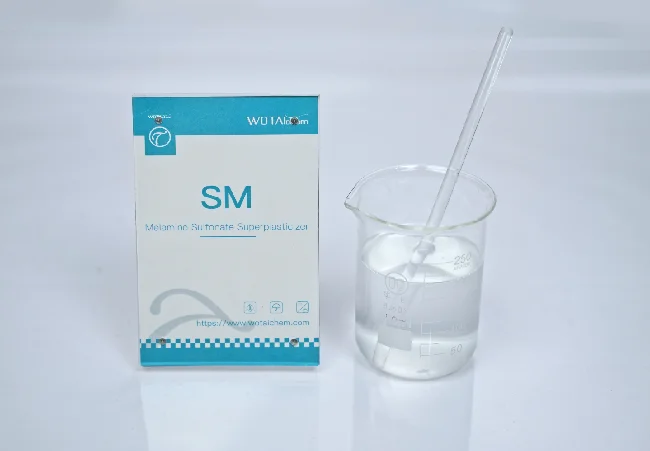
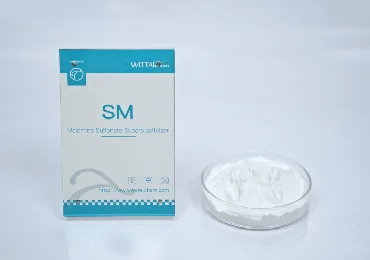 Melamine Superplasticizer
You can manage curing compounds effortlessly with SM plasticizer.
The curing compound remains effective in a range of temperatures with melamine plasticizer. It improves concrete strength and fluidity. Ensuring consistent performance in the long run.
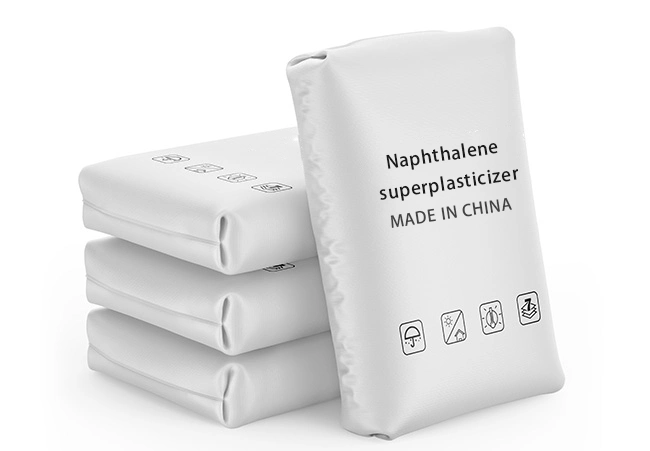 Naphthalene Superplasticizer
Naphthalene superplasticizer is a cost-effective solution for cold-weather construction.
PNF-AN series delivers reliable early strength gain and high-range water reduction. It pairs well with calcium formate in combined winter admixture formulations. Ensuring strong, durable concrete at competitive pricing.
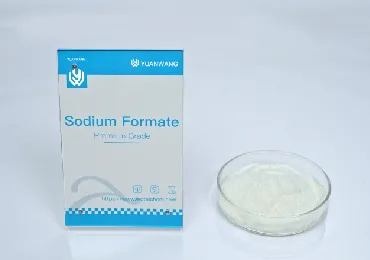 Sodium Formate
Sodium formate acts as a dependable antifreeze component in cold-weather concrete mixes.
It lowers the freezing point of concrete mixtures, supporting proper curing even at sub-zero temperatures. Available in powder (92%–98% purity) and liquid (45% solid content) forms. Enabling flexible production in winter conditions.
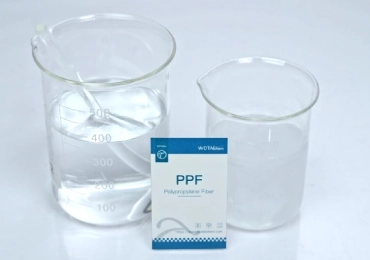 Fiber Reinforcement
Fiber additives dramatically improve freeze-thaw resistance and crack control in winter concrete.
PAN fibers boost durability with higher modulus at low temperatures, while PP fibers reduce plastic shrinkage cracking. Both types reinforce concrete against thermal stress and frost damage. Extending service life in harsh cold climates.
Cold Weather Concrete Additives Specification
High-performance admixtures & fibers engineered for freeze-thaw resistance
| Category | Grade / Model | Form & Purity | Key Technical Parameters | Dosage | TDS |
|---|---|---|---|---|---|
| Calcium Formate | CFC98 | ≥98% White crystalline powder | Ca ≥ 30.0% Moisture ≤ 1.2% Water-insoluble ≤ 2.0% | 0.5–2.5% by binder | 📄 TDS |
| Calcium Formate | CFF98 | 98% Solid Content White crystalline solid | Ca > 30.1% pH 6.5–7.5 Moisture < 0.5% | 0.5–2.5% by binder | 📄 TDS |
| Superplasticizer | PCE6024 | Polycarboxylate ether Liquid | WR Slump Retention Early Strength | 0.8–1.5% by binder | 📄 TDS |
| Superplasticizer | SMF6010 | Active ≥90% Moisture ≤3% (Powder) | Eq. to BASF Melment F10High WR Bleeding Control Non-air-entraining | — | 📄 TDS |
| Sodium Formate | SF95 | ≥95% White powder | NaCl ≤ 0.5% Organic ≤ 4% Moisture ≤ 2% pH 6–8 | — | 📄 TDS |
| PAN Fiber | PAN6mm | Polyacrylonitrile Chopped fiber | Strength ≥ 500 MPa Modulus ≥ 7000 MPa Length 6–12 mm Alkali resist ≥ 98% | 0.6–1.8 kg/m³ | 📄 TDS |
| PAN Fiber | PAN General | Carbon Fiber Precursor Light yellow chopped fiber | Strength ≥ 500 MPa Modulus ≥ 4000 MPa Ø 14–18 μm | — | 📄 TDS |
| PP Fiber | PP 12DTEX | Polypropylene Micro-fiber | 1.3 dtex Strength 6.6 cN/dtex Modulus 128 cN/dtex | 0.6–1.8 kg/m³ | 📄 TDS |
| PP Fiber | PP HS-MONO | PP (Moisture ≤2%) High-strength monofilament | Grade A: Ø30–35 μm, Strength ≥500 MPa Grade B: Ø19–22 μm, Strength ≥400 MPa | ~35–50% of hollow fiber | 📄 TDS |
| PP Fiber | Macro MSF | PP Steel-like Macro synthetic fiber | Strength ≥ 540 MPa Modulus ≥ 6000 MPa Ø 0.9–1.0 mm | 1.8–4.2 kg/m³ | 📄 TDS |
★ Core Solution
Winter Compounding Formula
Winter Early-Strength & Frost-Resistant System
+
Calcium Formate
+
Fiber
Water Reducer
High-range PCE / melamine superplasticizer. Cuts the water-cement
ratio to boost early strength while keeping the mix workable in cold conditions.
PCE6020 · SM Melamine
Calcium Formate
Early-strength accelerator. Accelerates C₃S hydration, works down to −5°C,
doubles as a frost-resistance aid, with no late-strength penalty or rebar corrosion.
CFC98 · CF-C
Fiber
PP / PAN micro-fiber reinforcement. A 3D network arrests micro-cracking and
resists freeze-thaw expansion — PAN moduli rise as temperature drops.
PP Monofilament · PAN Fiber
Auxiliary (Optional)
Retarder · 0.15% dosage. Slows slump loss & lowers hydration heat peak —
mainly for hot weather / mass concrete, not required in winter.
0.03–0.05% dosage. Removes coarse air voids to optimise air content
to the 3–4% sweet spot, improving density & durability.
* Dosages are reference ranges from mix-design data; final ratios are optimised per cement type, mix design and ambient temperature.
Place Order Now For Cold Weather Concrete Additives

WOTAIchem offers free samples for you to test and feel the difference.

Based on the testing result, we can adjust the concentration as you requested.

We focus on your financial convenience with flexible and safe payment options.

Factory direct ship out. Minimizing delays and errors. With updated track info!
Concrete Admixtures for Enhanced Performance & Durability

Superior Workability
PCE technology provides steric hindrance dispersion, maintaining
uniform flow without segregation. Melamine SM offers ≥30 min flow
retention with zero air entrainment.
Flow spread ≥ 220mm · 2h slump retention
Pumpability & Placement
Optimized particle dispersion reduces internal friction and yield
stress. Enables long-distance pumping and self-compacting concrete
formulations.
WR ≥ 25% · SCC & pumped concrete compatible
Early & Ultimate Strength
Accelerated cement hydration with calcium formate + high-range
water reduction. Faster formwork turnover and earlier demolding.
1d ≥ 42MPa · 28d = 68–75MPa · Steam 4h → C60
Long-Term Durability
Lower w/c ratio reduces porosity and permeability. Fiber
reinforcement improves freeze-thaw resistance and crack control.
Impermeability P4–P12 · Frost resistance F15–F200
Chemical Resistance
Denser microstructure from reduced water content provides better
resistance to sulfate attack, chloride penetration, and carbonation.
60–70% impermeability improvement

Water Consumption
High-range water reducers significantly lower water demand while
maintaining workability, directly improving strength and durability.
15–25% WR (SM) · ≥25% WR (PCE High-Range)
Crack Prevention
PP / PAN micro-fibers provide 3D random reinforcement, arresting
micro-crack formation at both plastic and hardened stages.
~70% crack resistance improvement
Maintenance Cost
Enhanced durability and crack resistance mean fewer repairs, less
patching, and extended service life for concrete structures.
Extended service life · F200 frost grade
Cement Savings
Water reduction allows lower cement content while maintaining target
strength, reducing material cost and carbon footprint.
10–20% cement reduction achievable
Energy & Time Savings
Early strength development enables faster formwork stripping, shorter
precast cycle times, and reduced steam curing energy.
24h formwork turnover · 50%+ steam curing reduction
WOTAIchem Serves Many Industries





FAQ
Have any questions? We’re here to help you out.
In cold weather, we sometimes add additives to the concrete to gain early strength. This is so-called accelerators.
At low temperatures, concrete can take a much longer time to set and cure. Using an accelerator expedites the curing process. The best temperatures to use accelerators are about 30-50 degrees range.
The types of which you should add in accelerators depend on the types of accelerators. People typically use accelerators when the temperature is below 50°F (10°C).
WOTAIchem construction-grade calcium formate is a popular accelerator for concrete curing. You may contact us for further details!
To prevent cement from freezing, you can use cement additives to protect it from freezing temperatures.
Antifreezing. Certain types of chemical additives can be mixed with concrete to lower its freezing point.
Insulation. You may cover the concrete surface with insulation blankets. It helps to keep the heat under it and protect it from low temperatures. It’s a common practice during curing.
Heating system. In extremely cold weather, the heating system can be used, such as ground heaters.
Surround it with windbreaks. Use windbreaks to surround the concrete area. It reduces the impact of cold winds and maintains a stable temperature.
Except for all the methods mentioned above, you may also schedule concrete pouring on warmer days. Plan the work to avoid freezing nights for concrete curing.
To apply a curing compound for concrete, follow these steps:
- Prepare the Surface. Ensure the concrete surface is clean and free from debris.
- Choose the Right Compound. Select a suitable curing compound and follow the manufacturer’s instructions.
- Prioritize safety. Wear protective gear.
- Apply Evenly. Use a sprayer, roller, or brush to coat the concrete evenly.
- Let It Dry Naturally. Allow the compound to dry for a few hours.
- Multiple Coats (If Needed). Apply more layers of coatings if required.
- Curing Time. Let the concrete cure for the recommended duration, usually at least seven days.
- Double-check and Maintain. Check for wear once in a while and reapply the compound as needed.
- Cleanup. Clean your application tools after use. Proper curing is crucial for concrete strength and durability. Follow the compound’s guidelines for best results.
 Stay Connected