


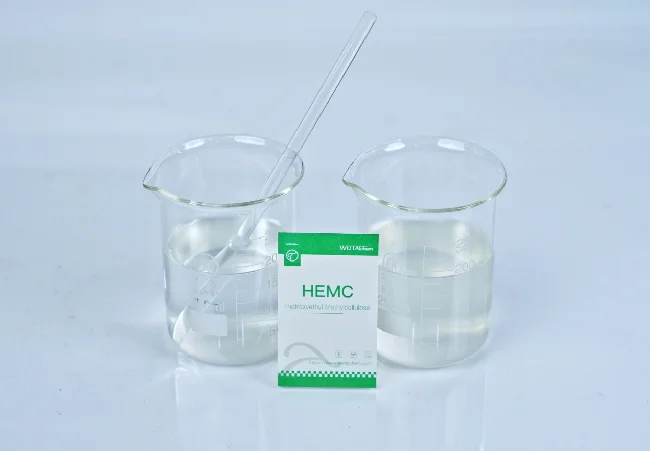

MHEC for Gypsum Plaster
Cellulose ether plays a vital role in gypsum plaster products. WOTAIchem’s MHEC for gypsum excels in ensuring smooth infiltration without clumps or pores. Its ideal viscosity enhances bonding and ease of application while preventing tool sticking.
Crafted with a focus on top-notch cellulose additives, our pure MHEC is ideal for gypsum additives applications in hot and arid regions. It excels in enhancing gypsum plaster workability, even in challenging environments with temperatures exceeding 75°C.
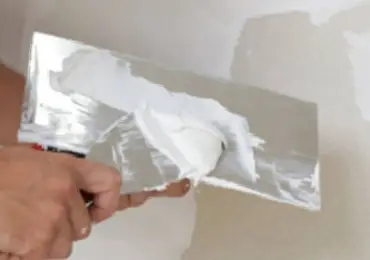
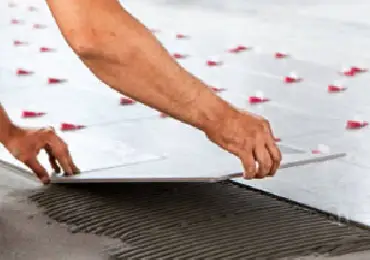
Moreover, our MHEC powder is also widely used in paints, dry mix mortar, wall putty, and tile adhesives.
- Excellent heat resistance ability.
- Outstanding anti-sag properties.
- Superior water retention ability.
Addressing Gypsum Challenges with MHEC Additives





MHEC Specifications for Gypsum Plaster
- TE
- WE
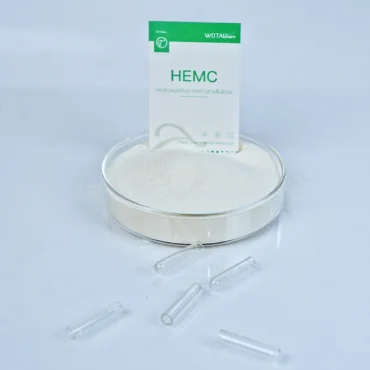
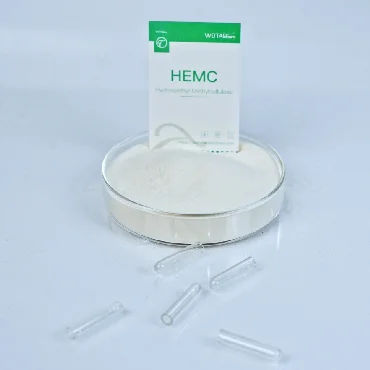

MHEC Powder Uses in Gypsum
Gypsum plaster, also known as POP (Plaster of Paris), is versatile. It finds applications in creating artistic molds, interior finishes, and more, owing to its ease of use and rapid drying characteristics.
MHEC powder finds versatile applications in the realm of gypsum-based materials. It enhances the performance of gypsum machine plaster, gypsum plaster wallboard, and gypsum plaster board. Whether you’re working on construction projects or interior finishes, MHEC powder significantly contributes to ease of use and optimal results.


Ready to Experience the Benefits of WOTAIchem MHEC Powder in Your Projects?
Request your FREE High quality MHEC sample today and discover the difference!
Leveraging MHEC Solutions with WOTAIchem Support


Other MHEC Uses You May Interested


FAQ
Have any questions? We’re here to help you out.
Gypsum plastering offers several advantages over cement plastering. First, it is known for its superior finish and smoothness, making it an excellent choice for interior walls and ceilings. Gypsum plaster sets relatively faster, reducing construction time. It is also more fire-resistant than cement plaster.
However, it’s important to note that the choice between gypsum and cement plaster depends on the specific requirements of your project. Gypsum is generally preferred for interior applications, while cement plaster is better suited for exterior surfaces due to its durability.
The recommended MHEC dosage for gypsum plaster typically falls within the range of 0.1% to 0.3% of the total dry weight of the plaster mix.
However, the detailed dosage may vary depending on factors such as the desired consistency, environmental conditions, and specific product recommendations from the manufacturer. It is advisable to consult with WOTAIchem professional teams for precise guidance on MHEC dosage based on your project’s requirements.
 Contact Us