


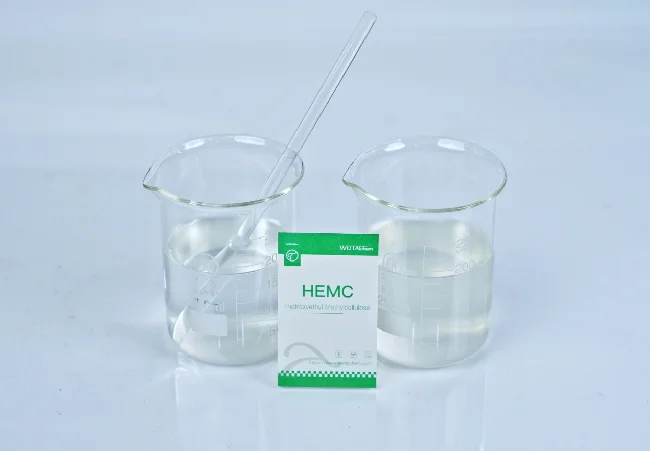

Tile Adhesive Additives MHEC Supplier
Tile adhesive formula usually contains cement, sand, limestone, water, and additives like cellulose ethers.
Methyl hydroxyethyl cellulose (MHEC) is often included as a key ingredient in cement tile adhesive. MHEC chemical can improve tile adhesive water retention and bonding strength. It can help you achieve better thickening and workability.
WOTAIchem supplies large volumes of MHEC for tile adhesives around the world. Our professional teams support you with a one-stop tile adhesive additives solution. OEM MHEC products and formula guidance are included in our team-based service.
- Payment: T/T, LC, OA.
- Shipping: CFR, CIF, FOB, and more.
Product Overview

Product Details
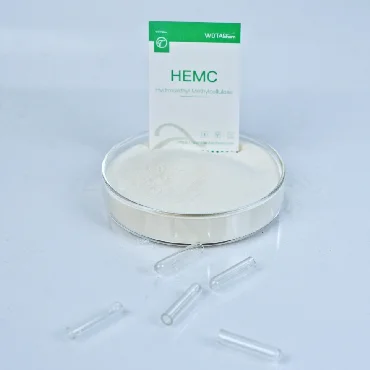
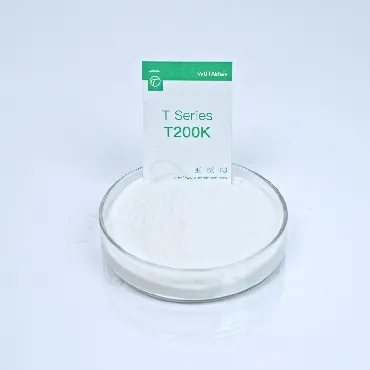
Appearance: White to off-white powder.
Viscosity: 50,000-60,000 mPa.s
Suitable Types: C1 and C2 tile adhesives, and more.
Availability: Standard MHEC powder in stock.
MHEC Customization: Support.
Certification: ISO; CNAS; SGS.
MOQ: 1000 kg.
Top 3 Highlights of MHEC for Tile Adhesive
1. Water Retention. MHEC helps to retain water in the adhesive mixture. Ensuring consistent hydration and curing of the adhesive.
2. Increased Adhesion. MHEC enhances the adhesion strength of tile adhesive. It promotes better bonding between tiles and substrates.
3. Anti-Sagging. MHEC helps to minimize sagging or slumping of tile adhesive during vertical applications. This property can ensure uniform coverage and alignment of tiles.

Tile Adhesive MHEC Spces
MHEC cellulose is a natural polymer derived from cellulose through a series of chemical processes. WOTAIchem offers two MHEC product lines, the WE and TE series, specifically designed for your tile adhesive needs. We offer standard(Cost-effective), pure and modified grades of MHEC for various tile adhesive applications.
Our expertise lies in producing MHEC designed to withstand high temperatures. They are ideal for use in high-temperature environments. WOTAIchem prue grade MHEC powder is frequently used for high-temperature wall surfaces. It can endure temperatures ranging from 80 to 90℃. Demonstrating excellent performance, particularly in hot and dry regions.
Apart from that, our R&D strength allows us to create customized formulas for different applications.
- WE
- TE

MHEC Uses In Different Tile Adhesive Application Scenarios
 Interior Wall
 Exterior Wall
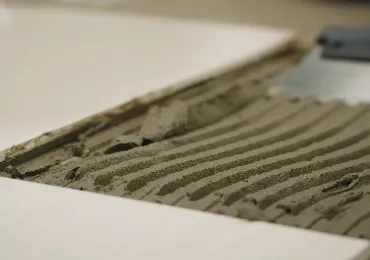 Floor Tiling
 Bathroom Tiling
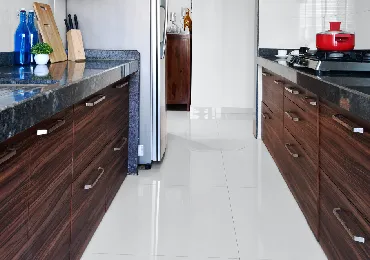 Kitchen Tiling
 More Applications
MEHC Packaging Volume and Sizes
Shelf Life: 2 years.
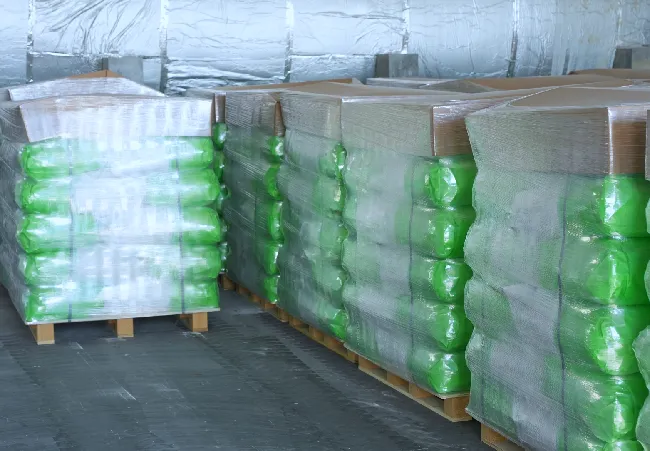
Size: 25kg/bag; 500kg/pallet;
Appearance: Standard or OEM. We can add your logo and design the bags based on your requirements.
Packaging Material: Multi-layer paper bag with PE-lined inner.
Packaging Configuration: Strapped and wrapped pallets.
Container Capacity: 10-14 Mts per 20 ft container. 22-27 Mts per 40 ft container.
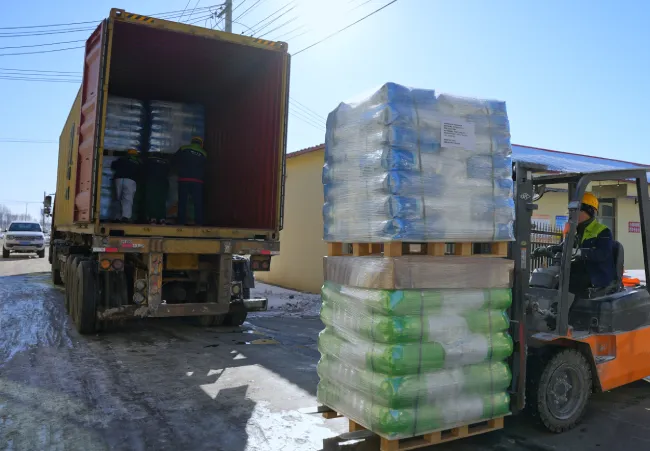
Reliable Tile Adhesive Grade MHEC Supply with Short Lead Time
Free Sample Delivery: DHL or FedEx.
Delivery: Direct from the factory.
Lead Time: 7 to 30 days.
Shipping: 7-14 days. Specific times vary depending on the country or region.
Pre-shipment Inspection: Supported.
Third-party Inspection Report: Provided.
Transparent Payment Process
1. Upon confirmation of your order, we will provide you with a sales contract and a Proforma Invoice for your review and approval.
2. We kindly request a 30% advance payment to begin processing your order. This payment is necessary to initiate the production process of your order.
3. You will receive a notification from us once the stocks are prepared, along with a video inspection. At this point, you can pay the remaining balance to initiate the shipping process.
4. Once your advance payment is received, the manufacturing or stocking of the products will typically take around 5-7 working days.


Personalized MHEC Solutions for Tile Adhesive Excellence
Ready to take your tile adhesive formulations to the next level? Our team of experts is here to guide you through the process of customizing your MHEC powders.
WOTAIchem understands the importance of balancing performance and cost in your product development. Let’s collaborate to create a tailored MHEC solution that meets your requirements and your goals!
Choose WOTAIchem
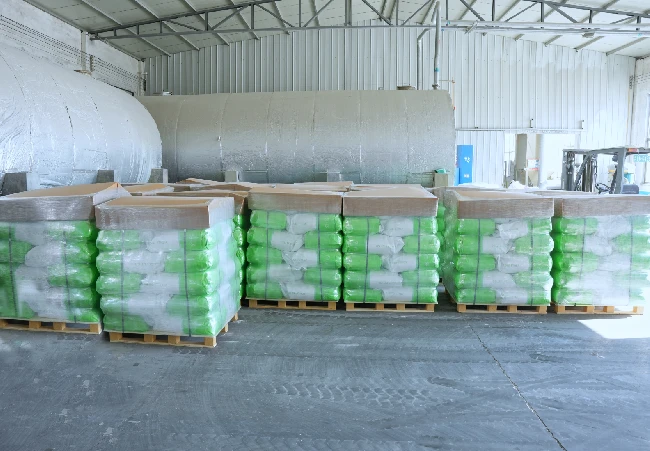
With a strong manufacturing capacity, we can efficiently handle and fulfill large-volume orders. Our annual capacity of MHEC powder has reached 20,000 tons.

We have a complete supply chain system that monitors any stock issues. We collaborate with global dealers to ensure open dialogue and effective communication.
Related Products



FAQ
Have any questions? We’re here to help you out.
The main difference between HEMC and HPMC lies in their chemical structures. They are different due to variations in the number of functional groups and hydrophilicity. HPMC cannot achieve the same effects as HEMC through modification.
Water Solubility Difference
HPMC dissolves in hot water and forms clusters in cold water before swelling. But, HEMC can dissolve in cold water but remains insoluble in hot water.
Application Differences
HEMC is more suitable for temperatures around 45-50°C in summer construction. In tile adhesives, HEMC exhibits superior water retention, heat resistance, and anti-sagging properties than HPMC.
In brief, HEMC offers advantages over HPMC, such as high water retention, heat resistance, excellent workability, and extended open time.
The effectiveness of tile adhesive can be influenced by various factors related to the adhesive’s formula and the surface it’s applied to:
– Adhesive Mixture: If the adhesive mixture is too thin or lacks sufficient bonding strength, it can result in poor adhesion.
– Weight Consideration: Tiles or stones with excessive weight may pose a challenge. It is recommended to start the installation from the bottom and work upwards.
To address these issues, it’s essential to adjust the adhesive formula using materials with higher viscosity or modifying the dosage of early-strength agents. Additionally, you can fine-tune the water-to-cement ratio during mixing. Always choose the suitable adhesive based on the surface conditions and the type and size of tiles or stones you’re installing.
Tilling process ensures the tiles are properly attached to the surface. Here are a few things to take note of when applying tile adhesive.
Prepare the surface. Make sure the surface is clean, dry, and free of dust.
Choose the correct types of tile adhesives. And follow the manufacturer’s instructions to mix the compound with clean water.
The compound should have a homogeneous and consistent texture. It’s better to be thick at a certain level. That way, applying it with a trowel is easier but not too difficult to spread.
Adjust the tile if necessary. Once the adhesives harden, it isn’t easy to readjust them.
To reduce the effects of extreme climate changes, we recommend incorporating 5 kg of calcium formate (CF) into tile adhesive formulas. This addition is crucial in preparing temperatures to drop below zero during nighttime construction.
It is important to note that if the temperature does not fall below zero, adding calcium formate is unnecessary. Because it may have a higher cost for your projects. If you need more formulation guidance, please feel free to contact us today!
 Contact Us