





Gypsum Additives Manufacturer
Gypsum raw materials are porous and brittle, and have many defects like rapid setting, poor water retention and easy cracking.
However, by adding gypsum additives, such as cellulose ether or starch ether, the fluidity, flexibility and strength of gypsum can be greatly enhanced, and the construction performance can also be effectively improved.
WOTAIchem has been producing construction additives for gypsum for 20 years. Our main products include retarders, cellulose ethers, starch ethers, redispersible polymer powder and fibers, as well as water reducers and defoamers, etc.
Our products endow gypsum with controllable setting time, excellent water retention and anti-sagging workability, stronger bonding flexibility and stable crack resistance and durability.
4 Major Benefits of Gypsum Additives
Gypsum additives such as cellulose ether and RDP powder has many benefits.
✅ Superior construction quality. The plastering process becomes effortless and yields a smooth finish. It can be easily moulded and exhibits high plasticity.
✅ Exceptional anti-sagging performance. When applied in thick layers, the plaster does not sag during single construction, even after multiple scrapings. It demonstrates excellent plasticity.
✅ Outstanding water retention capacity. The cellulose ether prolongs the operational time of the gypsum base. It was improving its weather resistance and bonding strength. It also exhibits exceptional wet bonding performance and reduces the occurrence of ground ash.
✅ Strong compatibility. It is suitable for various types of gypsum bases, reducing the ageing time of gypsum and minimizing drying shrinkage. This compatibility prevents issues like hollowing and cracking on the wall.
WOTAIchem's Main Additives for Gypsum
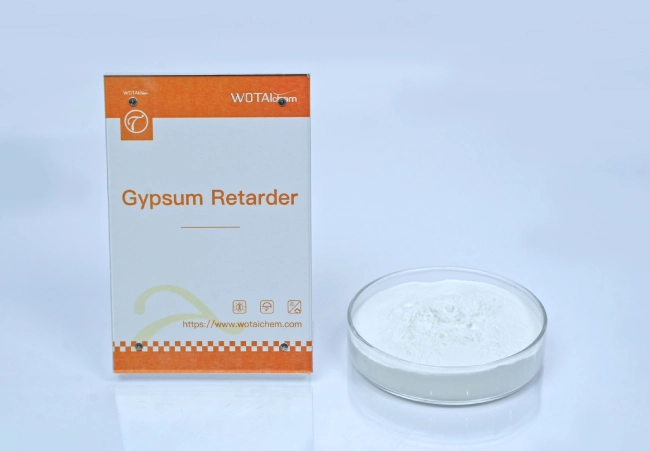
- Retarder
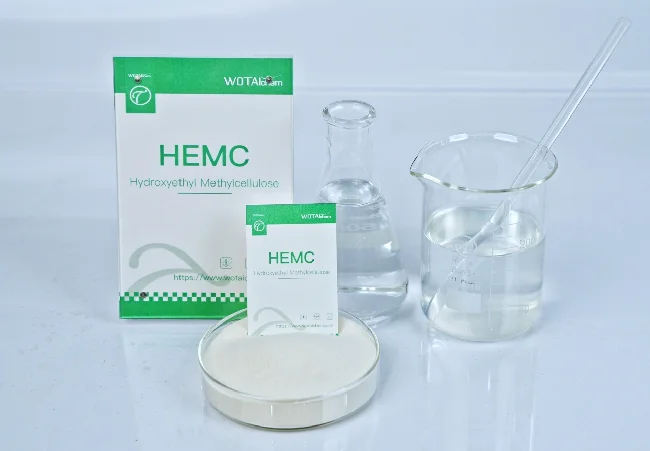
- Cellulose Ether
- HPS
- RDP
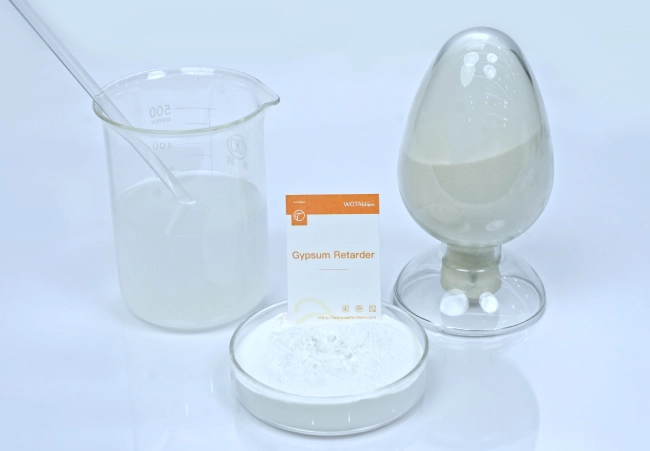
✅ Retarder in gypsum can effectively extend the setting time, ensuring good construction performance.
✅ Significantly improve the retarding efficiency with lower dosage
✅ Unlike the other organic acid retarder, WOTAIchem’s retarder has a very small negative impact on the gypsum’s strength.
✅ It is especially suitable for gypsum-based self-leveling mortar and plastering gypsum that require a longer working time.

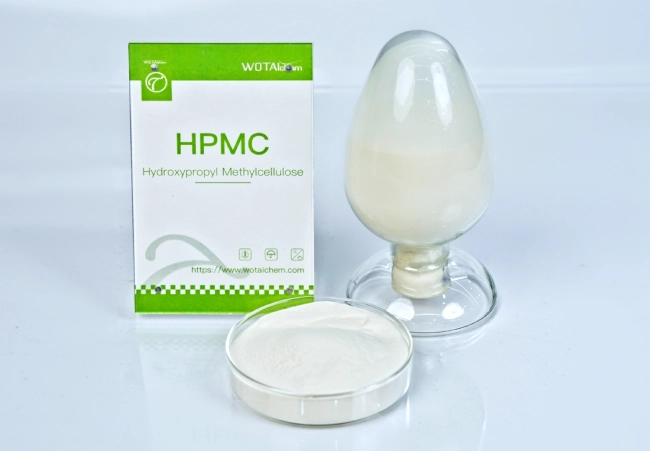
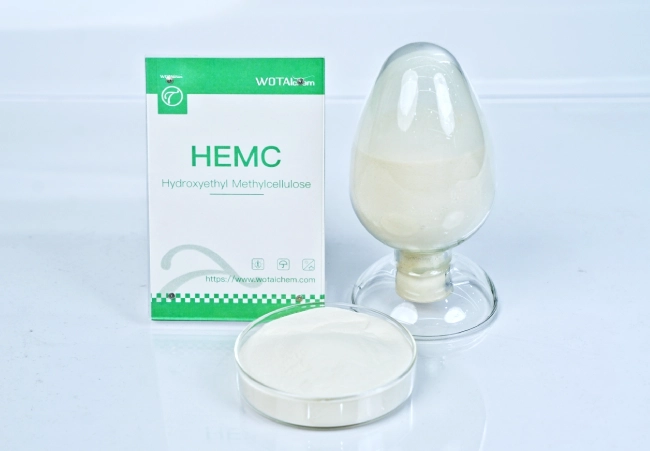
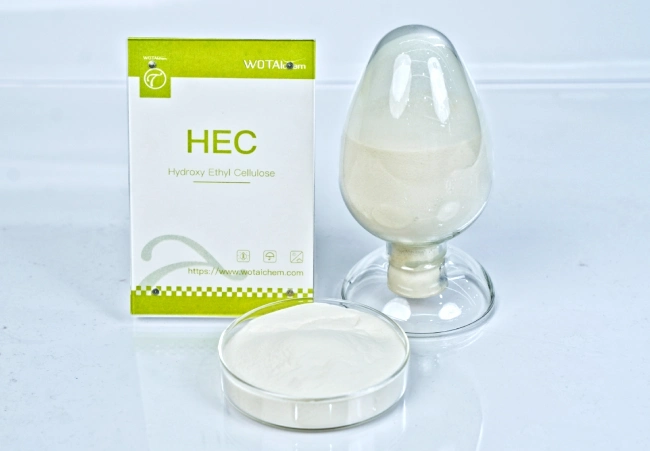
Cellulose ether is one of the most critical additives in gypsum material.
WOTAI cellulose ethers can easily infiltrate gypsum products without causing clusters or porosity. The breathing performance of plastered gypsum is not affected. The proper viscosity of cellulose ether ensures superior bonding ability. It enables easy spreadability on base surfaces while eliminating tool sticking. It has significantly improved the construction performance of gypsum products.
WOTAI specializes in the production of cellulose ethers that come in multiple viscosities. The essential gypsum additive provides bonding strength, water retention, and sag resistance.
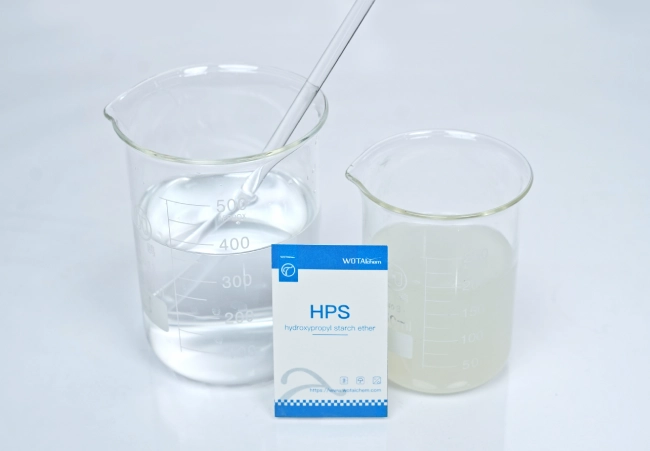
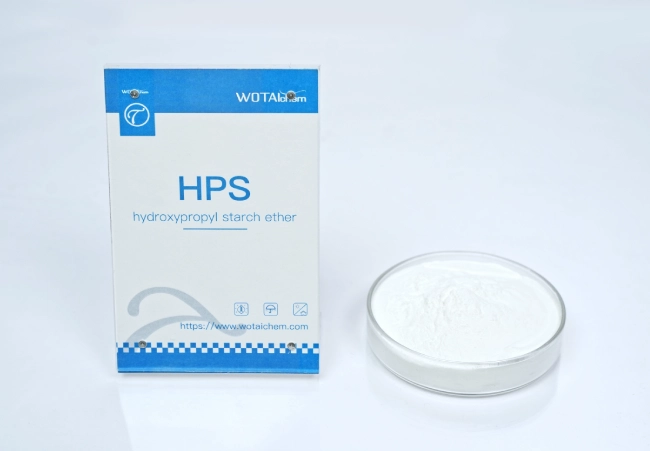
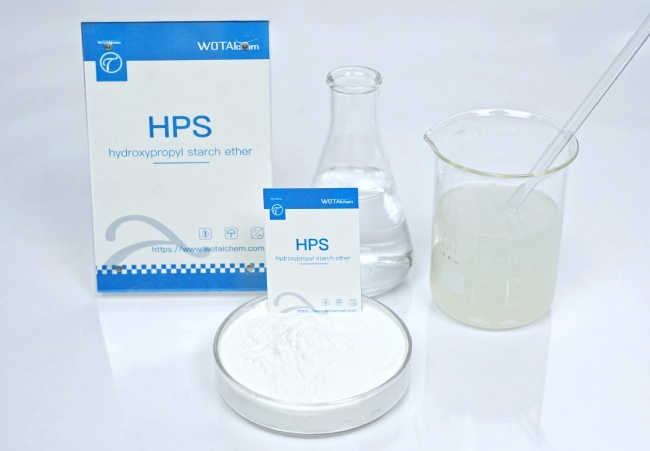
1. Improve the fluidity of the gypsum slurry: HPS can make the gypsum slurry flow more smoothly, facilitating troweling or pumping and enhancing construction efficiency.
2. Delay setting time: HPS can slightly prolong the setting time of gypsum. The gypsum won’t set too quickly due to high temperature or fast stirring speed.
3. Optimize surface effect: WOTAIchem starch ether can make the gypsum surface finer and smoother, and reduce the tiny cracks caused by the rapid evaporation of water.
In conclusion, it is resistant to sagging, does not stick to the knife, and ensures smooth construction.
The recommended addition amount is 0.3-0.5g
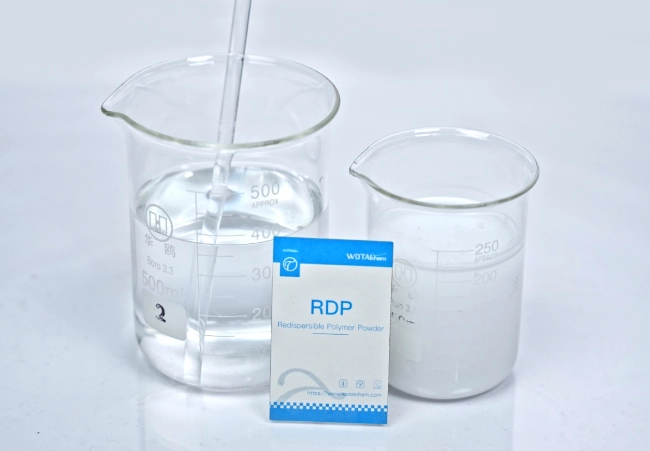
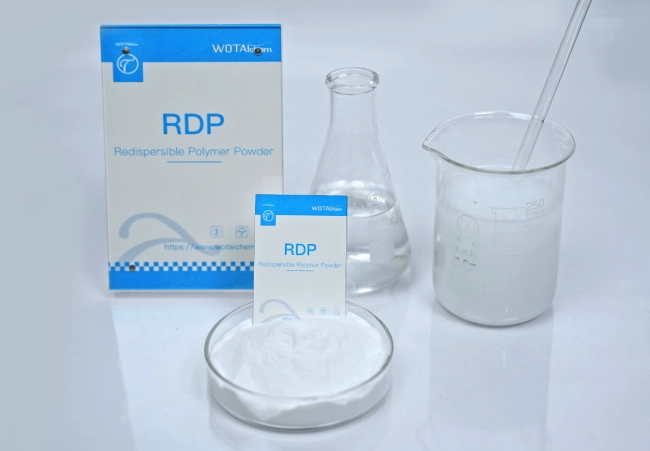
Put WOTAIchem’s VAE redispersible polymer powder into the gypsum, it will turn into an emulsion when contact with water and dipersed widely in the gypsum mortar system.
The polymer in the emulsion forms a polymer film, creating a continuous polymer network structure. It then cross-links with the interlaced gypsum crystals to form a dense structure.
When the gypsum body is subjected to force, the formed structure acts as a bridge, effectively absorbing and transferring energy, thereby inhibiting the formation and expansion of cracks.
Due to the low elastic modulus of polymer films, the gypsum’s tensile strength and fracture toughness can be enhanced.
Enhance Your Gypsum-Based Materials with WOTAIchem's Additives

Hand Applied & Machine Applied Plaster
There are usually two types of gypsum plaster: hand-applied and machine-applied.
Hand-applied plasters are convenient for smaller areas and renovation projects. They can be manually mixed or prepared using a machine and applied using a trowel. On the other hand, machine spray plasters offer the advantage of continuous mixing and application using a plastering machine. Typically, they have a thickness of approximately 10mm.
WOTAI is a direct manufacturer of gypsum additives. We offer a range of cellulose ethers with different viscosities and VAE RDP for professional use.
Trowelling Compound
Gypsum-based trowelling compounds typically achieve a level surface for walls or ceilings. The compounds offer an ideal solution by effectively levelling uneven surfaces. They are applied in thin layers, resulting in a smooth, aesthetically pleasing finish that can be easily painted.
We recommend selecting WOTAI HPMC WO400-20000 or our premium collection, WE MHEC 400-20000, for optimal results. These products are known for their superior performance. Whether you need to smooth plasterboards, concrete walls, or ceilings, our gypsum additives always deliver outstanding results.


Joint Filling & Adhesives
Gypsum-based jointing and filling compounds are extensively employed to fill the gaps between gypsum boards. The setting times of these compounds vary depending on their intended purpose and the location where they are used.
When installing gypsum plasterboards on existing masonry, it is common practice to utilize mounting binders. These binders offer a strong and dependable solution for securely fixing the plasterboards, particularly during home renovations. They play a vital role in upholding the structural integrity of the walls, especially when dealing with older houses.
We recommend you choose WOTAI WO20000 or WE20000 for joint filling or adhesives.
You May Also Need...
 Calcium Fromate
 Concrete Fibre
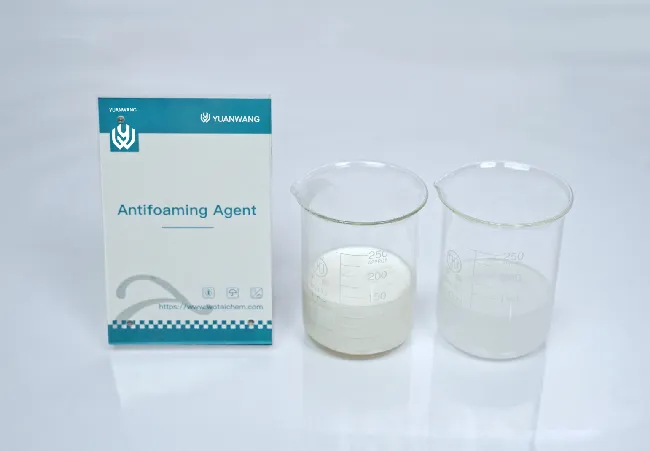
 Antifoaming Agent
 Superplasticizer




When gypsum is mixed with water, a chemical reaction called hydration occurs. This reaction causes the gypsum to crystallize, transforming it from a powder into a solid material. As water is added to gypsum, it dissolves and forms a gypsum paste, which eventually hardens and sets into a solid mass. This process is essential in various applications, such as gypsum plastering and gypsum board production.
When mixing, the ratio of gypsum to water depends on the specific application and desired consistency. As a general guideline, a commonly used ratio is typically around two parts gypsum to 1 part water by weight. However, referring to the specific instructions provided by the manufacturer or industry standards for the appropriate mixing ratio based on the intended use is essential.
Gypsum additives are specifically formulated to enhance the properties of gypsum-based materials. Including cellulose ethers (HPMC, HEMC, HEC) as additives can improve gypsum plaster adhesion and sag resistance.
RDP (Redispersible Polymer Powder) can enhance the strength, flexibility, and water resistance of gypsum-based products such as gypsum boards. These additives improve gypsum applications’ performance, durability, and overall quality.
Several additives are widely used in conjunction with gypsum to optimize its performance. For example:
– Cellulose ethers (HPMC, HEMC, HEC) are commonly used with gypsum to optimize performance. These cellulose ethers act as rheology modifiers. They can improve gypsum-based materials’ workability, adhesion, and sag resistance.
– Antifoaming agents can prevent foam formation during the production of gypsum-based products.
– Calcium formate can enhance the setting time and workability of gypsum mixtures.
– Concrete fibres (PVA, PPF, PAN, PET) can be added to gypsum to improve its structural integrity and crack resistance.
For gypsum prefabricated parts, if you require a thickening effect, we recommend adding cellulose ether for water retention and thickening. Additionally, the incorporation of water repellents may be necessary. If you have further questions, please don’t hesitate to consult us for professional formulation advice.
 Contact Us