


HPMC for Drymix Mortar
Drymix mortar is a commonly used building material. It contains Portland cement, sand, and other additives or admixtures. Admixtures such as HPMC, redispersible polymer powder, superplasticizers and starch ether. These additives make the mortar easier to work with and achieve the best results.
HPMC in dry mix mortar extends the working time by improving hydration and adhesion. It prevents quick drying and reduces cracks.
WOTAIchem is a reliable HPMC supplier with two factories in China. We use efficient production methods to ensure our products are high quality. Strict quality control measures are in place for every batch.
Benefits of Choosing Us
Our HPMC powder is produced, checked, packed, and shipped directly from our factory. The production process is efficient and streamlined, with quality control monitoring every step. We use an automatic packing system to ensure quick output.
We have reliable raw material sources and a stable supply all year. Whenever you place an order with us, it will be fulfilled quickly with guaranteed quality always!
HPMC Product from WOTAIchem
Product Name: Hydroxypropyl Methylcellulose.
Appearance: White to off-white powder.
pH Value: 6-8.
Grade: Construction.
Type: Cost-effective, modified, pure, and OEM.
Annual Capacity: 40,000 metric tons.
Certification: ISO, CANS, SGC, etc.
MOQ: 1000kg.

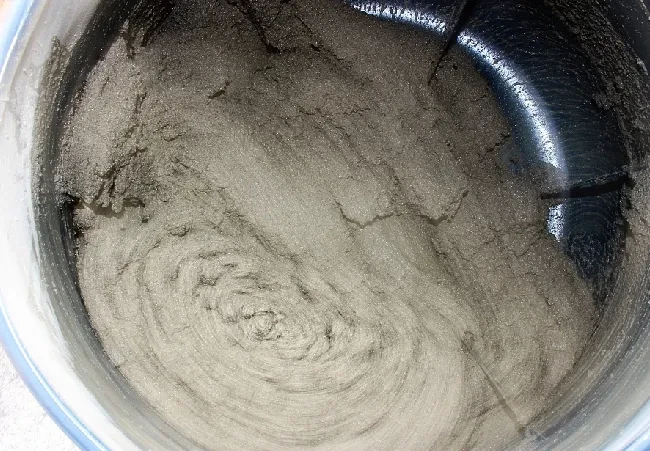
Hot Selling HPMC for Mortar
| Product | Viscosity(mPa.s) | Recommended Applications |
|---|---|---|
| T400 | 300-500 | Self-leveling |
| T50K Series | 40,000-55,000 | Wall Putty/plasters |
| T75K Series | 65,000-75,000 | Tile adhesives/EIFS |
| HPMC-WA | 55,000-65,000 | Cost effective putty/adhesives |
| HPMC-WB | 40,000-50,000 | Cost effective putty/adhesives |
3 Key Functions of HPMC in Drymix Mortar
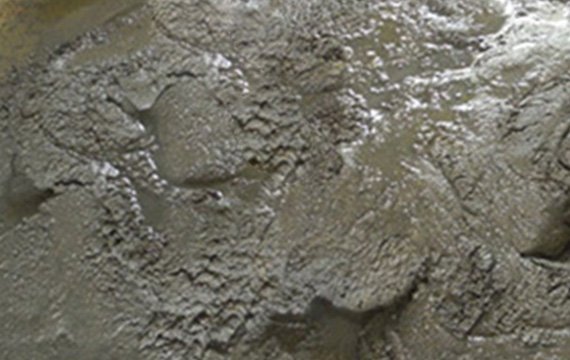
Excellent Water Retention
Water retention is an important factor of HPMC. Its viscosity, dosage, and molecular structure also have a significant impact on its water retention level.
Typically, a small amount of HPMC can greatly increase the water retention of a mortar.
Good Thickening Effect
HPMC increases the viscosity of the mortar, significantly improves the bonding ability of the mortar to the substrate and improves the resistance to sagging.
The thickening effect of HPMC also improves the resistance to dispersion and homogeneity of the newly mixed material.
Air-Entraining Function
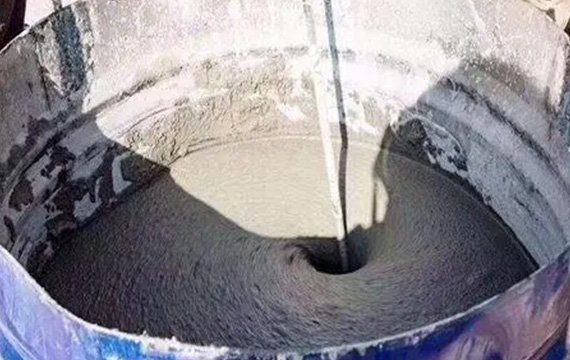
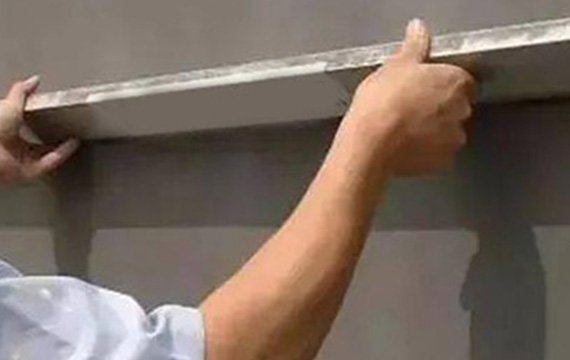
HPMC is a surfactant with surface activity and air-entraining effects. It improves the workability of freshly mixed materials and increases the plasticity and smoothness of mortar during operation.
Also, HPMC powder contributes to the spreading of mortar and increases mortar yield and reduces production costs.
HPMC & Starch Ether: A Powerful Combination for Mortar
Cellulose ether and starch ether are often used together in mortar.
HPMC works as a water retaining material, which can greatly improve the mortar’s water retention ratio and viscosity. While, starch ether, works like a lubricant. When add starch ether to hpmc-based mortar, the mortar will get more smoother and lubricious. You’ll get a silky-smooth troweling feel and a seamless wall surface.
Moreover, starch ether products are much more cost-effective than HPMC, and require a lower dosage. Adding starch ether into mortar formulations can significantly reduce overall formulation costs while maintaining excellent application performance!
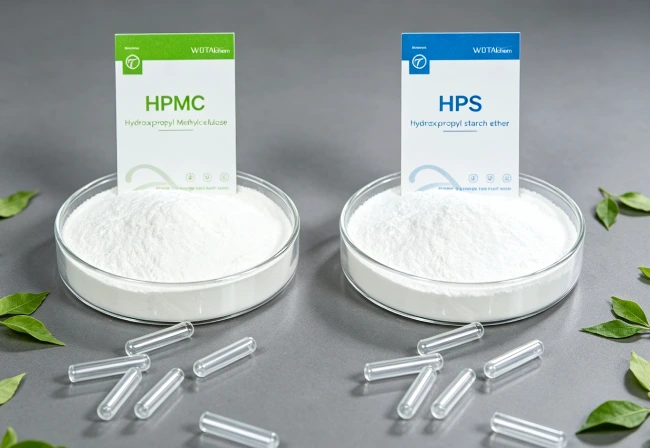

Package and Delivery Solution
Package: 25kg/bag; 500-600kg/pallet.
Package Material: Multi-layer paper bag with PE-lined inner.
Appearance: Support custom design.
Delivery: Straight from the factory.
Shipping Options: CFR, CIF, FOB, etc.
Period: 7-14 days. ETA depends on your location.
Free Samples are Available!
Claim your free sample of HPMC for drymix mortar now! Experience the quality firsthand and see the difference it makes in your projects.





Frequently Asked Questions
· Water Retention
HPMC is a high-molecular polymer. It forms a mesh-like structure that encapsulates cement and mixing water. This structure prevents moisture loss and slows cement hydration.
· Thickening Principle
HPMC’s film-forming and mesh-like structure. It along with its hydroxyl groups on long polymer chains. Ensuring stable mortar structure. HPMC introduces many tiny, distributed bubbles that hinder aggregate sedimentation. It benefits cement-based materials such as dry mortar and polymer modified mortar. Providing excellent water retention and workability.
| Dry mix mortar | Wet mix mortar |
| Dry mix mortar is suitable for more delicate projects such as grouting, tile repair, reinforcing or repairing concrete. | Wet mix mortar is usually better for more extensive projects created from scratch, such as house building. |
| Storage time: | Storage time: |
| Dry mix versions are only mixed when required. Offering greater flexibility in terms of storage, large quantities can be stockpiled. | Wet mixes already contain water, as a matter of fact, they need to be used within 24 hours of the mixture being affected. |
| Equipment and site requirements: | Equipment and site requirements: |
| Dry mix mortar requires application equipment that mixes the dry material with water at the construction site. An ideal option for small to medium-sized projects in delicate concrete where workers have better control. | Wet mixing mortar requires more space on the construction site. So trucks can access and deliver the concrete material, making it more suitable for larger projects. |
I recommend adding RDP powder to your existing formula to solve your issue. A complete formula incorporates HPMC, RDP, and PP fiber for your application. Following this formula, you can achieve optimal results and ensure effective performance in your desired industry.
RDP, or Redispersible Polymer Powder, enhances mortar’s flexibility, elasticity, and flexural strength. Its primary function is to make the concrete harder to break while promoting its durability and longevity.
Cellulose ether is a valuable additive for mortar as it can retain water and thicken the mixture, providing an extended opening time. This feature enhances the workability of the mortar, ensuring that the concrete does not dry too quickly.
PP fiber is a specialized material that can be added to concrete mixtures to improve their strength, resistance to high temperatures and corrosion. The concrete becomes much more durable and better to deal with the pressure. Additionally, PP fiber mesh enhances the crack resistance of the concrete.
Dry-mix mortar is produced in a special plant with special facilities for batching and mixing all the necessary ingredients in a production-controlled process. It provides excellent technical properties for construction work to meet strict performance requirements. It is a mixture of cement, sand, minerals and functional additives in proportion to each other.
Dry mix mortar is a good quality building material with excellent operating and laying characteristics. Drymix mortar composition consists of special Portland cement, well-graded mortar sand, and selected additives. It is commonly applied to all forms of masonry works. With high quality for brick and block placement.
Dry mix concrete is all the dry materials in a bag, going through a delivery pipe with water on the construction site. Wet mix concrete, on the other hand, is a complete mixture that usually needs to be stored in advance on a concrete truck before being delivered to the construction site.
Dry mix mortar is suitable for more delicate projects such as grouting, tile repair, reinforcing or repairing concrete.
Cellulose ether functions to retain water, thicken, entrain air, and delay the setting time. The entrained air increases the volume of the mortar, ensuring its cohesion and preventing dispersion.
Hydroxypropyl methylcellulose (HPMC) mortar is a high-performance construction mortar material.
By incorporating HPMC, it significantly improves the mortar’s water retention, workability, and durability, thereby enhancing both application performance and overall construction quality.
The strongest type of mortar mix is generally known as type M mortar. Type M mortar has the highest compressive strength, approximately 2,500 psi (around 17.2 MPa), making it suitable for applications requiring maximum strength, such as foundations, retaining walls, and structures exposed to high pressure or lateral loads.
A typical mix ratio for type M mortar is 3 parts Portland cement, 1 part hydrated lime, and 12 parts sand. This ratio ensures that the mortar is extremely strong and durable, often making it ideal for use with natural stone masonry, where the mortar should not fail before the stone itself does.
The strength of mortar depends not only on the ratio of cement, lime, and sand but also on the use of admixtures and additives such as polymers and fibers.
Polymer-modified mortars, incorporating additives like HPMC (Hydroxypropyl Methylcellulose), significantly improve bond strength and flexibility. Fiber reinforcements such as monofilament fibers or PVA fibers help prevent cracking and enhance the mortar’s crack resistance.
Looking to further enhance mortar performance? Choose WOTAIchem’s professional-grade mortar additives!
We offer a full range of high-performance products:
✅Cellulose ethers: Enhance water retention, workability, and durability
✅Redispersible polymer powders (RDP): Improve early strength and frost resistance, reduce construction time
✅Construction-grade calcium formate: Accelerates setting, ideal for cold weather applications
✅Superplasticizers (SM and PCE): Lower water-cement ratio, increase strength and fluidity
✅Fibers: Various anti-crack fibers to control crack propagation
✅Defoamers: Eliminate bubbles and improve surface smoothness
Click here to learn more and discover customized solutions to take your construction quality to the next level!
Hydroxypropyl Methylcellulose (HPMC) is widely used in the dry-mix mortar industry and plays a vital role in various construction materials such as tile adhesives, EIFS (External Insulation and Finishing Systems), plastering mortars, putty, grouts, and self-leveling compounds.
Key functions of HPMC in construction include:
✅ Improved water retention
✅ Thickening and enhanced workability
✅ Increased bonding strength
✅ Extended open time
✅ Crack resistance and anti-sag performance
✅ Enhanced concrete properties
✅ Ease of application
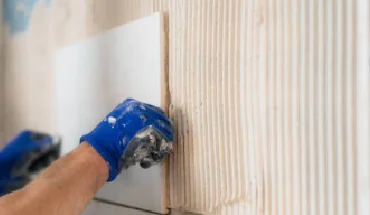
HPMC (Hydroxypropyl Methyl Cellulose) in tiling refers to a key additive used in tile adhesives, grouts, or mortar mixes to improve their performance during and after installation. It can fill the tiny pores between the ceramic tiles and the base layer, enhancing the bonding force and adhesion.
 Contact Us