


China Leading Cellulose Ether Factory
WOTAIchem is a leading cellulose ether manufacturer with an annual capacity exceeding 70,000 metric tons.
As one of the largest cellulose factories in China, we have over 20 years of experience in cellulose ether production. Our cellulose products are exported to more than 40 countries worldwide. We offer OEM solutions for applications in construction, coating, personal care, etc.
WOTAIchem manufactures cellulose ether from natural sources such as cotton and wood pulp. The main products are HPMC, HEMC, and HEC. They are manufactured all under strict QC systems. Each batch of products has stable quality.
Product Category

HPMC Powder
The natural hydroxypropyl methylcellulose powder is sourced from cotton and wood pulp.
HPMC powder provides excellent water retention and viscosity capabilities, making it an exceptional dispersant and thickener.
Price: Negotiable.
Viscosity: 400-75, 000 mPas.
Main HPMC Grades with OEM options:
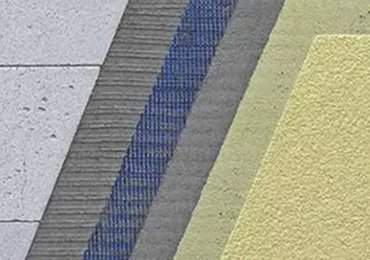
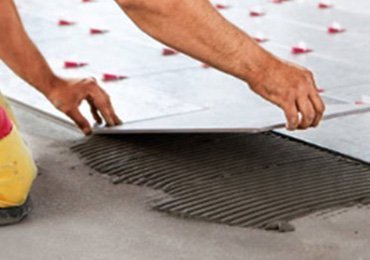
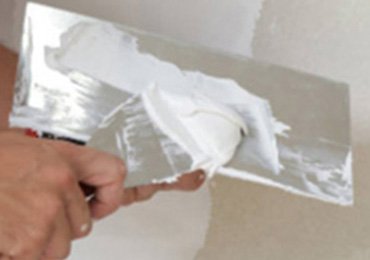
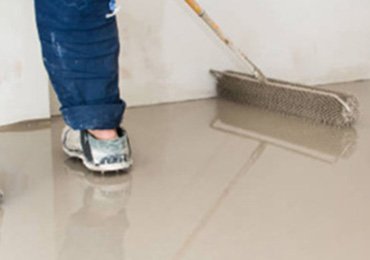
> Cement-based mortars: Tile adhesives; wall putty; Self-leveling; EIFS.
HEMC/MHEC Powder
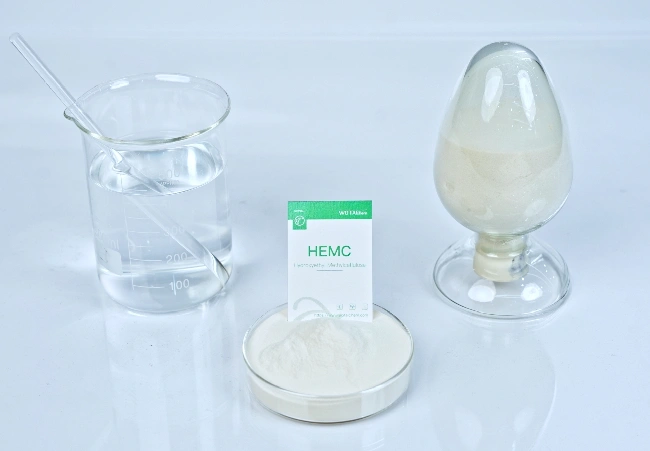
HEMC/MHEC is indispensable in various building materials, such as tile adhesives, dry mix mortars, putties. It possesses excellent water retention and adhesion properties with enhanced resistance to elevated temperatures.
Price: Negotiable.
Viscosity: 400-75, 000 mPas.
Type: Standard, pure, and modified.
OEM Options: Support.


HEC Powder
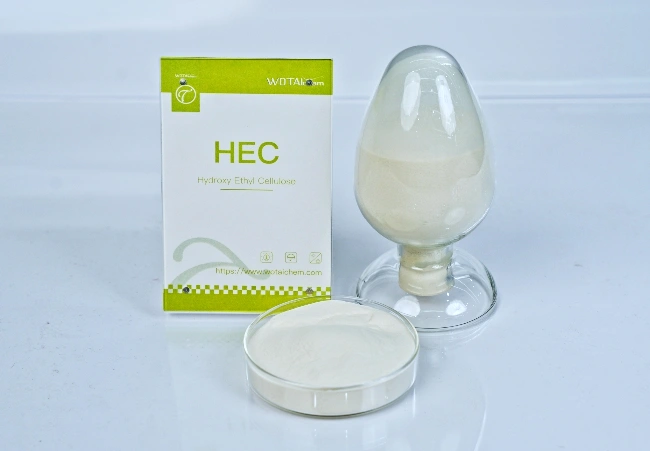
Hydroxyethyl cellulose is a chemical compound derived from cellulose. This versatile substance offers many benefits when used in real stone, latex, and decorative paint, especially for applications with high salt tolerance.
Price: Negotiable.
Viscosity: 15,000-55,000 mPas.
Type: Standard and modified.
Other Grades: Personal care, oil drilling, etc.
Other Cellulose Ether Products
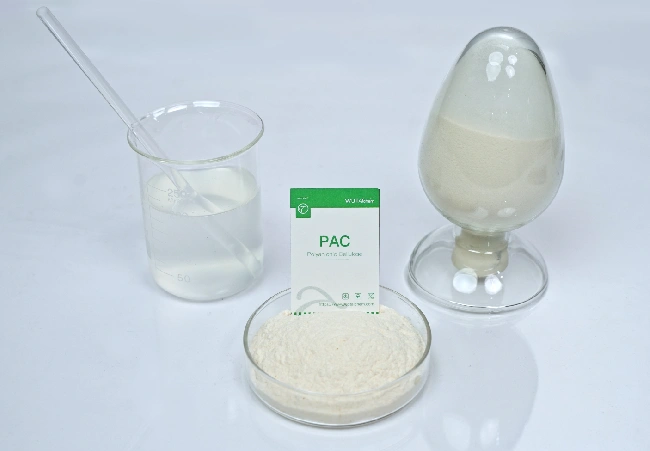
>> PAC cellulose is commonly used as a fluid loss additive in water-based drilling fluids used in oil and gas drilling operations.
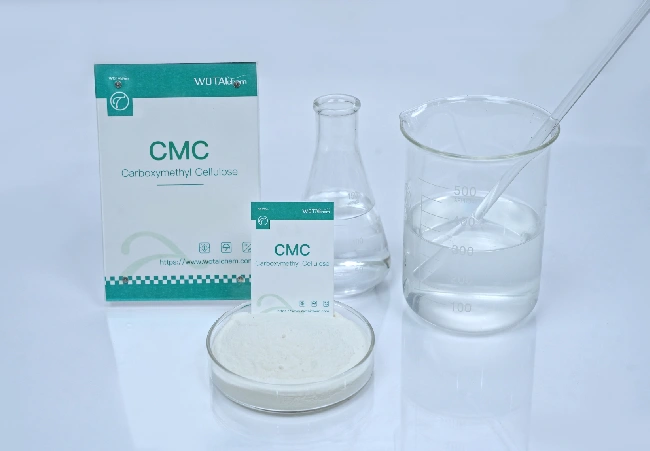
>> CMC chemical is a key thickener and suspending agent for water-based paints. Carboxymethyl cellulose in paints provides a nice texture and improves adhesion. It keeps everything mixed well and avoids segregation.
More Grades: Available for customization.
Formula Guidance: Support.

Choose Your Proper Grade Now
 The Classic W Series
WOTAIchem cellulose ether is available in the classic and premium range.
The viscosity is ranging from 300mPa.s to 75,000mPa.s. It’s widely used in wall putty, tile adhesive, and self leveling.
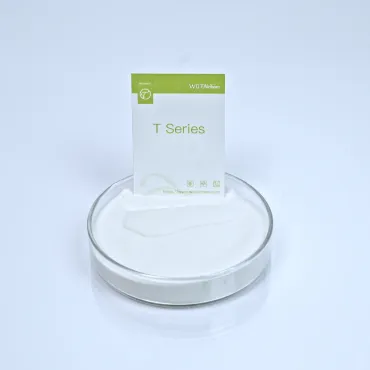 The Premium T Series
The best-selling range in WOTAIchem! Used in many industries like construction, detergents, and paints.
With many roles: thickening, film-formation, and long-lasting adhesion.
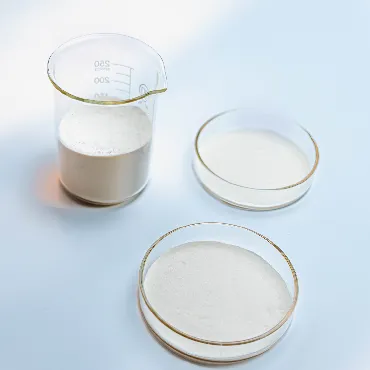 OEM Special Grade
WOTAIchem stands out for its commitment to tailoring formulas. Ensured quality and innovation.
Choose us as your reliable partner to maximize your potential.
Reliable Source for Cellulose Ether from China
WOTAIchem is a leading powdered cellulose ether supplier in China. Our additives make various products and processes work better.
>> Adaptable Solutions
Our product adapts easily to different uses.
>> Tailored Assistance
We’re able to modify current formulations to fit unique needs.
>> Support You Can Count On!
We’re dedicated to helping you find solutions, and making sure your formulas do exactly what you want!
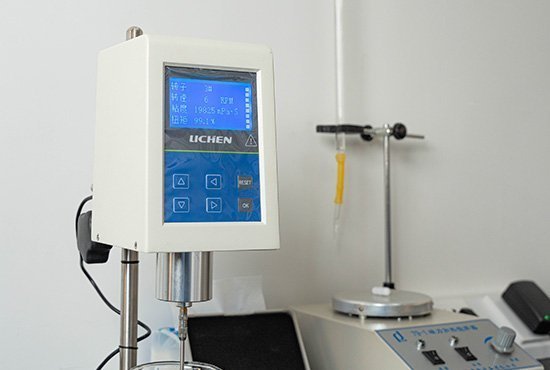
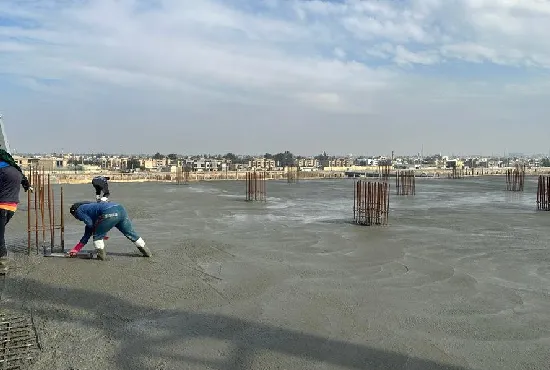
Cellulose Ether for Building Materials Supplier
> Excellent Binder
WOTAIchem cellulose ether serves as an effective binder. It improves the strength and adhesion of building materials.
> Better Workability
It makes the building materials easier to handle and shape and increasing your efficiency effortlessly.
> Water Capacity
During construction, it’s crucial to keep the cement compound moist. Cellulose ether can help you achieve that.
Cellulose Ether for Daily Chemical Factory
> Stabilizer
WOTAIchem cellulose ethers contribute to the stabilization of formulations in daily chemical products. Ensuring consistent quality over time.
> Good User Experience
They enhance the texture and feel of personal care products, such as creams and lotions.
> Locks in Moisture.
They promote excellent moisture retained in personal care products. They work effectively with lasting results in detergent, shampoo, etc.


Become a Dealer Today!
Gain access to exclusive pricing and incentives for our quality cellulose ether product line. Join our network of successful partners and elevate your business!
Cellulose Ether Manufacturing Process

The refined cotton WOTAIchem purchased has α- cellulose content≥99%. The purity of refined cotton is very important! Refined cotton with a high impurity content will lead to excessive ash content of the cellulose ether.

For each batch crushed refined cotton, we adopt laser particle analyser to test the particle size distribution. Ensure each batch has uniform particles, so that they have full contact with the alkaline solution in the next step.
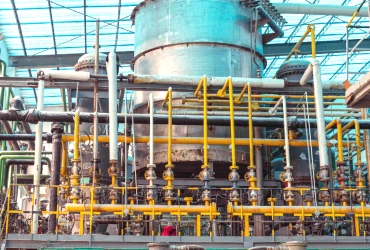
Put the crushed refined cotton into the reaction vessel. We strictly control the concentration of the alkaline solution, the temperature during alkalization and the aging time. At this stage, alkali cellulose is produced.

Heat to 60-85℃, and add the etherifying agent to the reaction vessel. Our workers will continuously monitor the temperature rise and the amount of etherifying agent fed. Use nitrogen to maintain a slight positive pressure.

Wash with hot water to remove the reaction by-product NaCl, residual alkali and unreacted etherifying agent. Follow the pre-determined washing water temperature and frequency, and continuously monitor the chloride ions.

Remove free water via centrifugal dehydration, hot air drying. Strictly control the drying temperature and moisture content to prevent them from being too high, which may affect the viscosity and dispersibility of cellulose.

Grind the powder to the target fineness and control the particle size and dispersibility.

Screening, mixing, and testing. Test the viscosity, moisture content, ash content, and substitution degree. After passing the tests, the finished products are packaged.
Your Professional Cellulose Ether Manufacturer from China (7)
 WOTAIchem helps you with special solutions. Our teams will guide you on the formulas.
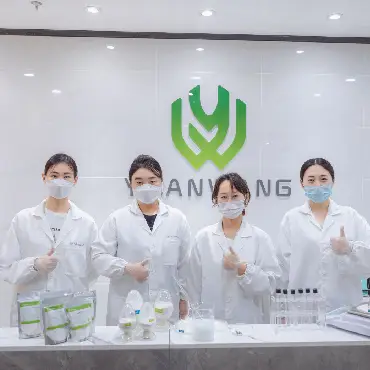 WOTAIchem provides team-oriented service. We have experts working for years in the cellulose field.
We keep eco mind in every aspect of our operations. We’ve invested millions of dollars in wastewater treatment systems.
 WOTAIchem has advanced quality control systems. We ensure stable quality across different batches.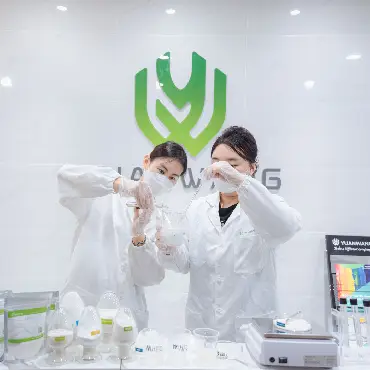
We specialize in state-of-the-art safety measures to ensure the formulation capacities meet the highest standards.
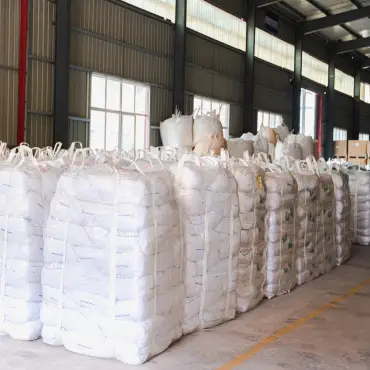
Capabilities include clean room-filling, private lab services, warehouses, and production sites for packaging sizes.

We prioritize on-schedule and just-in-time delivery to guarantee your purchase satisfaction.
WOTAIchem Quality Cellulose Ethers Uses




FAQs
In wet mortar, water starts evaporating. During this process, cellulose ether gathers on the surface, creating a thin film within 5 minutes. This film slows down further evaporation. As more water moves from thick to thin parts of the mortar layer, the initial film partially dissolves. This feature allows more cellulose ether to accumulate on the surface.
The film’s thickness impacts mortar performance:
1. If the film is too thin, it might dissolve again, failing to stop water evaporation and potentially weakening the mortar.
2. If the film is too thick, there’s a lot of cellulose ether in the mortar joints, making it tough to break the surface film when laying tiles.
An improper mixture of water, alkali, cotton, and etherification agents impacts the alkali treatment and etherification process.
Insufficient stirring during alkali treatment may lead to alkali crystallization and sedimentation at the equipment’s bottom. Resulting in incomplete alkali treatment and a lower concentration at the upper layer.
So, a significant amount of free alkali may remain after etherification. That will lead to uneven product substitution. Also, it can result in diminished transparency and higher fiber content. It also reduced water retention, lowered gelation point, and increased pH value.
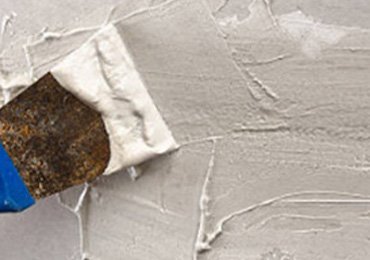
Cellulose ethers play a crucial role in determining how easy it is to work with putty. When there’s too little cellulose ether, the putty remains too runny. This issue can cause uneven settling on the wall and affect the final performance.
When the cellulose ether content is high, the putty’s viscosity becomes too high. The putty admixture will stick to the trowel and make it hard to smooth the surface during wall construction.
Thus, the right amount of cellulose ether is essential for optimal putty performance.
Cellulose ether is a modified polymer derived from cellulose. It is the most abundant natural water-soluble polymer on Earth. From thickening to stabilizing, it is a key additive in construction, personal care items, and paints. Its unique properties, such as water retention and solubility, ensure it plays a vital role in creating quality products.
Cellulose ether production begins with high-purity cellulose sourced from wood pulp or cotton linters. These natural sources provide the necessary raw material due to their high cellulose content and minimal impurities. The purified cellulose ether is dried and milled into a fine powder. And it is easier to handle and incorporate into various formulations.
Carboxymethyl Cellulose (CMC) is a cellulose derivative. CMC is the most abundant organic polymer on the Earth. CMC is created by chemically modifying cellulose with carboxymethyl groups. So, it is water-soluble and versatile.
CMC powder is used as a thickener, emulsifier, and stabilizer in various industries. It is also used in the production of paper, adhesives, and oil drilling industries. It can modify the viscosity and flow properties of aqueous solutions.
WOTAIchem cellulose ethers are produced through alkali treatment. We produce them by reacting cellulose with sodium hydroxide and then with an alkyl halide. For example, methyl or ethyl chloride.
You can also refer to our blog post for a detailed description of the cellulose ether manufacturing process.
Cellulose ethers’ water retention properties depend on the content of functional groups. Higher functional group content leads to better water retention. However, higher viscosity in cellulose ethers does not result in better water retention. Other factors can also affect water retention properties. For example, the formulation of the mortar or plaster. If you have more questions, feel free to contact our expert now.
Cellulose ethers can clump in overly humid environments. This can affect their usability. It’s important to note that cellulose ethers can also clump in hot weather regions. If you cannot use the opened package within two months, there is a high risk of clumping.
Please ensure to follow our recommended storage guidelines to mitigate this issue effectively.
CMC shares the cellulose backbone with our product range. But, it differs in terms of chemical modification and applications. CMC is valued for its water-soluble and thickening properties. Making it a versatile choice in industries such as food, pharmaceuticals, and cosmetics.
Both EC and MC are cellulose ethers, but there are many differences between them.
| Category | Ethyl Cellulose (EC) | Methyl Cellulose (MC) |
|---|---|---|
| English Name | Ethyl Cellulose | Methyl Cellulose |
| CAS Number | 9004-57-3 | 9004-67-5 |
| Water Solubility (ther biggest difference) | Completely insoluble in water; soluble in organic solvents. | Soluble in cold water, with thermal gelation occurring at 50–55°C; insoluble in organic solvents. |
| Key Properties | Excellent water, alkali, and acid resistance; high-toughness, transparent, hydrophobic films; thermoplastic; forms moisture-barrier films; insoluble in water. | Thickens cold water, retains moisture, forms films, and provides surface activity; undergoes thermal gelation when added to water and exhibits reversible gelation upon cooling. |
| Applications in the Construction Industry | Not suitable for water-based mortar. | Limited applications in gypsum and putty; moderate water retention. |
| Main Applications | Pharmaceutical coating materials, solvent-based inks, and anti-corrosion coatings. | Food, pharmaceuticals, water-based coatings, and dry-mix mortar (limited applications). |
If you do sustained-release drugs, solvent-based inks, or waterproof solvent coatings, choose EC;
If you need water-based thickening, water-based excipients for medicine or used for food, choose MC;
If you make putty, tile adhesive or machine-sprayed gypsum, choose HPMC or MHEC. The cost performance and water retention of HPMC are better than MC. EC can not be used either.
 Contact Us