


Self Leveling Mortar Additives
Self leveling mortar is also known as self leveling cement. The main materials are special cement, fine aggregate, binder and various self-leveling additives. It is used as a coating to create flat and smooth surfaces. And it is an affordable option to reduce the coating execution time.
Our recommended additives in self leveling mortar mix:
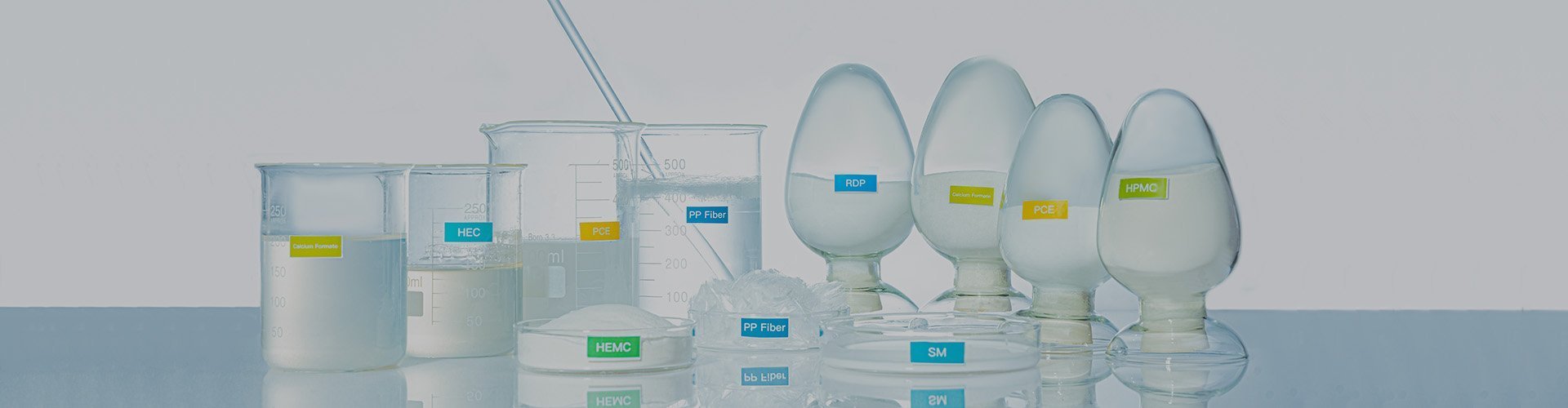
- Cellulose ether. HEMC, HPMC, and HEC.
- Redispersible polymer powder.
- Superplasticizers. PCE base superplasticizer for mortar. Available in powder and liquid form.
WOTAIchem is your trusted construction additives factory for self-leveling mortar additives with OEM solution. We also have expert teams for technical guidance on your formula and application.
Most Commonly Used Additives for Self Leveling Mortar
- RDP
- Cellulose
 T-5043N
Appearance White powder Protective colloid PVA Solid content 99% Average particle size <300μm  T-5012N
Appearance White powder Protective colloid PVA Solid content 99% Average particle size <300μm  W-4116N
Appearance White powder Protective colloid PVA Solid content ≥99% Average particle size <300μm  W-4024N
Appearance White powder Protective colloid PVA Solid content 99% Average particle size <300μm
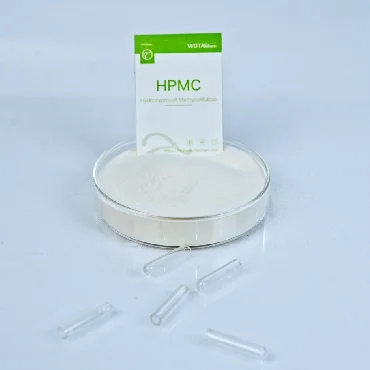 WP400
WP400Application Self leveling Appearance White to off-white powder Water 5% or less pH stability 6-8 Viscosity 300-500 mPa.s. - TP400
Application Self leveling Appearance White to off-white powder Water 5% or less pH stability 6-8 Viscosity 300-500 mPa.s.
WOTAIchem Water Reducing Admixtures for Self Leveling


WOTAIchem Self-Leveling Mortar in Diverse Applications


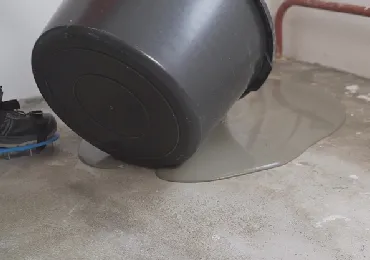


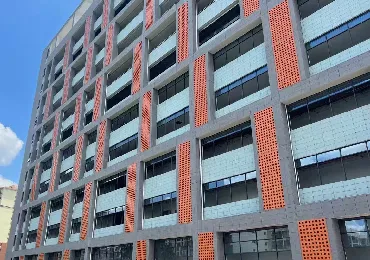

WOTAIchem Self Leveling Mortar in Construction
Increased adhesion on different substrates. The properties of self leveling mortar contribute to increased bonding strength. Finally, it creates a strong and reliable connection between the mortar and the substrate.
Enhanced flowablity. Ensuring a smooth and even surface for your tasks.
Time efficiency. Reducing the time required for leveling surfaces.
Excellent defoaming properties. Outstanding finish look for flooring construction.

Level Up Your Builds with Self Leveling Mortar Solution
WOTAIchem is supported by the local government. We have strict quality control methods like SIS and DSC systems. Each batch of our products is guaranteed to maintain a consistent and stable level of quality.
Furthermore, we keep records of samples alongside our official stock. You can rest assured that the quality of the products you purchase matches that of the samples. Providing you with confidence in your procurement.
At WOTAIchem, we prioritize ESG considerations. Our self leveling mortar additives are crafted using eco-friendly materials. All of our additives meet international standards.
The Unique Appeal of WOTAIchem






Other Construction Additives You May Like


FAQ
Have any questions? We’re here to help you out.
The quality of self-leveling is primarily judged by the final leveling effect they achieve. Key evaluation criteria include:
1. Surface finish after drying. The surface should be smooth and even without any cracks. A high-quality self-leveling mortar will dry to a consistent, crack-free finish.
2. Minimal shrinkage after drying. Quality self-leveling mortar exhibits minimal shrinkage upon drying, which contributes to the durability and longevity of the flooring.
If you want to achieve a shiny surface layer, the ability to form a shiny surface layer depends on:
– The amount of Redispersible Polymer Powder (RDP) added. An optimal RDP powder dosage is crucial for achieving a desirable surface finish.
– The smoothness and overall mix of the surface layer. The final appearance is influenced by the smoothness of the application and the proportion of ingredients in the mixture.
Correcting a self-leveling compound mistake depends on the nature of the error. If the leveling additives are not correct, it’s best to assess the thickness and consider grinding down high spots or applying extra compounds to low areas.
Excessive bubbles or ripples. Using a spiked roller during the initial application can prevent such issues. Or, you can add an antifoaming agent to your self leveling compound formulation. If the compound has dried unevenly, lightly sanding the surface can help achieve a smoother finish.
Refer to the datasheet for specific guidance, or consult us for tailored flooring solutions.
Typically, self leveling concrete maximum thickness can be from 1/8 inch to 1 inch (3mm to 25mm) in a single pour. However, it’s crucial to follow the guidelines closely. Exceeding the recommended thickness can lead to issues. For example, prolonged drying times, uneven curing, or even product failure.
For applications requiring thicker layers, it’s advisable to build up the depth gradually. It allows each layer to cure correctly before adding the next.
 Stay Connected