




WOTAIchem Tile Adhesive Chemical
WOTAIchem is your reliable construction additives factory for tile adhesive chemicals. We manufacture various cement and mortar additives as tile adhesive ingredients.
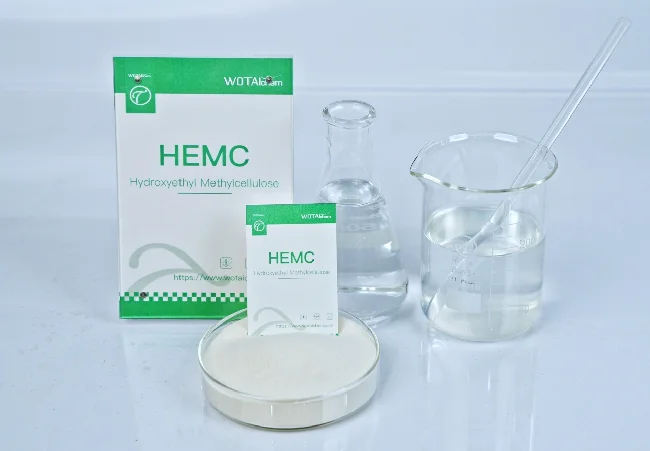
- Cellulose ether(HPMC, MHEC/HEMC, and HEC powder). It is a thickening and bonding agent in tile adhesive formulations.
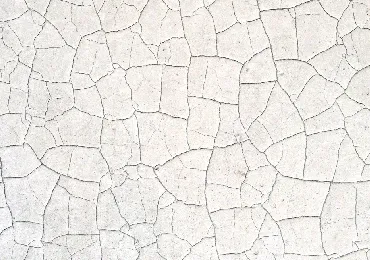
- Redispensable polymer powder. RDP powder creates a polymer film. Reduce cracks and enhance the adhesion of the tile adhesive.
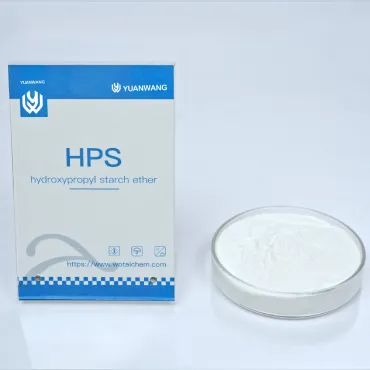
- Starch ether. Help you achieve a smooth application experience.
- PVA powder. It delivers great adhesive strength and flexibility for a resilient bond.
Our additives are manufactured through strict QC systems. All of them are qualified to high-quality tile adhesive standards.
Tile Adhesive Chemical - Cellulose Ethers

| Application | Tile Adhesive |
| Appearance | White to off-white powder |
| Water | 5% or less |
| pH stability | 6-8 |
| Viscosity | 40,000-55,000 mPa.s. |

| Application | Tile Adhesive |
| Appearance | White to off-white powder |
| Water | 5% or less |
| pH stability | 6-8 |
| Viscosity | 40,000-55,000 mPa.s. |

| Application | Tile Adhesive |
| Appearance | White to off-white powder |
| Water | 5% or less |
| pH stability | 6-8 |
| Viscosity | 40,000-55,000 mPa.s. |
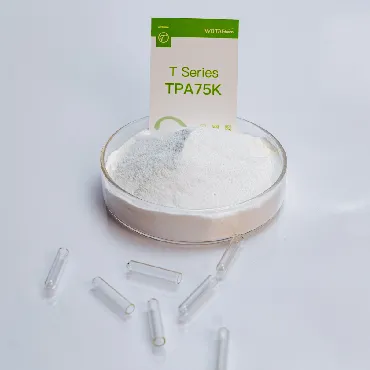
| Application | Tile adhesive |
| Appearance | White to off-white powder |
| Water | 5% or less |
| pH stability | 6-8 |
| Viscosity | 65,000-75,000 mPa.s. |
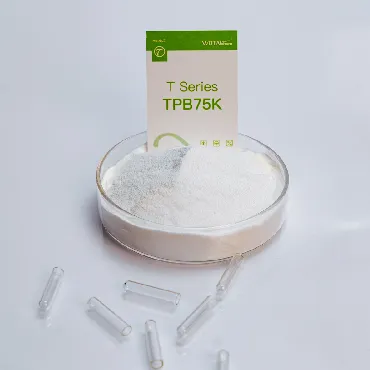
| Application | Tile adhesive |
| Appearance | White to off-white powder |
| Water | 5% or less |
| pH stability | 6-8 |
| Viscosity | 65,000-75,000 mPa.s. |
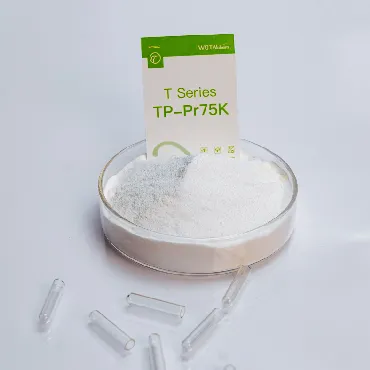
| Application | Tile adhesive |
| Appearance | White to off-white powder |
| Water | 5% or less |
| pH stability | 6-8 |
| Viscosity | 65,000-75,000 mPa.s. |
Tile Adhesive Chemical - Rediserpsible Polymer Powder
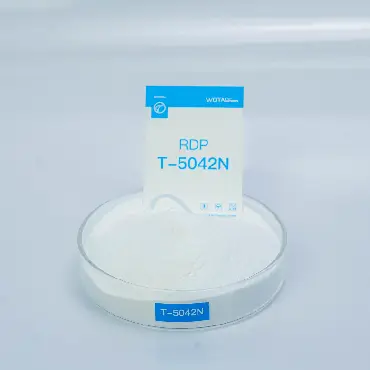
Appearance White powder Protective colloid PVA Solid content 99% Average particle size <300μm 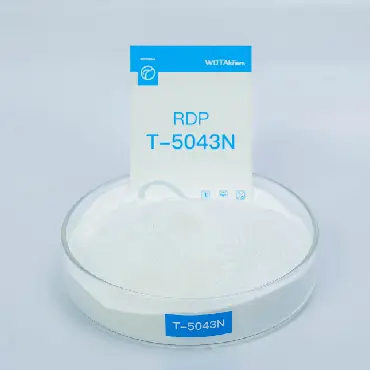
Appearance White powder Protective colloid PVA Solid content 99% Average particle size <300μm 
Appearance White powder Protective colloid PVA Solid content 99% Average particle size <300μm 
Appearance White powder Protective colloid PVA Solid content 99% Average particle size <300μm 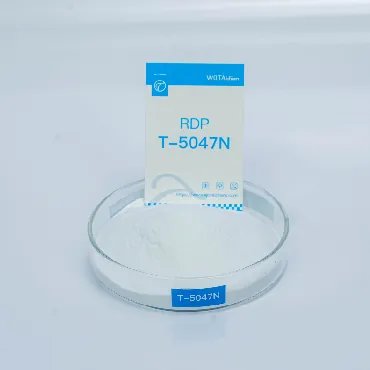 T-5047N
Appearance White powder Protective colloid PVA Solid content 99% Average particle size <300μm 
Appearance White powder Protective colloid PVA Solid content 99% Average particle size <300μm
Other Tile Adhesive Additives for Various Uses

Seamless Tiling, Satisfied Projects
Conquering Tile Adhesive Challenges






WOTAIchem OEM Solution in Tile Adhesive Chmicals
WOTAIchem is an experienced construction additives manufacturer backed by government investment. We own 5 production bases for strict manufacturing. Thus, allowing us to meet your stable and large-volume orders.
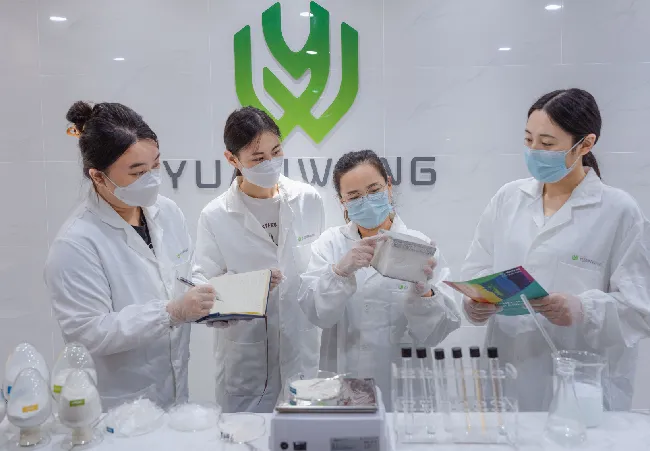
Our R&D team supports OEM solution for your formula. Our advanced laboratories enable precise formulations. Additionally, we also support third-party quality testing for your goods.
> Other related solutions: : Common Problems, C1 tile adhesive solution, C2 tile adhesive solution.
Premix Tile Adhesive Chemical Package
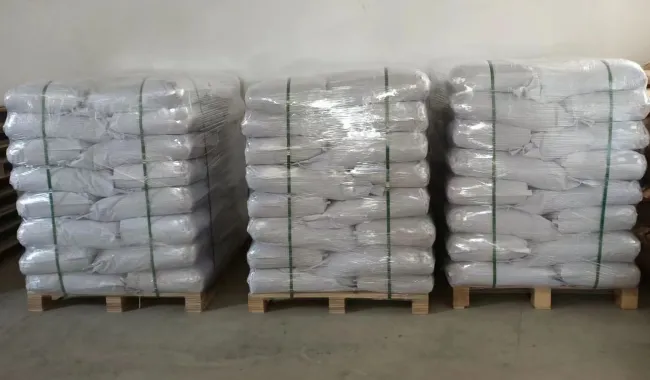
Available in 500kg pallets, 1MT pallets.
Keep cool and dry, and avoid direct sunlight or fire sources.
Keep sealed away from humidity due to its hydrophilic nature.

Also available in 25kg/bag, 1MT pallet.
Keep in cool and dry conditions.
Keep it sealed away from humidity due to its hydrophilic nature.
What Makes WOTAIchem Stand Out
 Our Service
 ESG Strategy
 OEM Customization
 Production Bases
 Supply Chain
 Payment&Delivery
 Dealer Benefit
More Additives You Might Like





FAQ
Have any questions? We’re here to help you out.
> Performance.
HEMC is better suited for temperatures around 45-50°C (typical for summer construction). Under equivalent usage, HEMC shows superior water retention and heat resistance compared to HPMC. It offers better anti-sagging properties for tile adhesive applications.
HEMC introduces fine air bubbles. HPMC introduces larger ones. This difference reduces air entrainment for HEMC and an extended pot life. Plus, HEMC exhibits better workability and pumpability than HPMC.
> Considering the cost.
HPMC generally has a lower price point than HEMC. We recommend using HPMC to optimize cost-effectiveness.
Tile adhesive and tile bond serve similar purposes in tile installations. Both contribute to secure tile installation. But, there are key distinctions:
Tile adhesive is a ready-made paste. It is usually a combination of cement, sand, and polymers. Tile adhesive is designed for easy application and provides strong adhesion between tiles and substrates.
On the other hand, tile bond refers to a bonding agent or primer applied to surfaces before using tile adhesive.
In brief, tile bond acts as a preparatory layer to enhance adhesion. The tile adhesive is the actual bonding material applied between tiles and surfaces.
It is generally not recommended to mix tile adhesive with additional cement. Tile adhesive comes pre-formulated with the correct balance of ingredients. For example, cement is used to ensure proper adhesion and flexibility. Altering this balance by adding more cement can compromise the adhesive’s performance. It may lead to reduced flexibility, weakened bond strength, and increased risk of tile detachment.
 Stay Connected