


Trusted Tile Adhesive OEM Solution
Tile adhesives are well-known for their reliability. However, during practical applications, certain issues may arise. For example, insufficient bond strength, tile detachment, and poor durability. And leading to unsatisfactory construction outcomes. These problems stem from the formulation materials and additives utilized in the tile adhesive. Besides, they are influenced by the specific types of tiles and conditions of the substrate surface.
WOTAIchem stands as a leading construction additive factory for tile adhesive solution. Our OEM services have proven beneficial to partners in over 30 countries worldwide. With our innovative additive solution and quality assurance, you can ensure excellent tile adhesive applications. We offer HPMC, HEMC, RDP, HPS, calcium formate, and SM superplasticizer to address tile adhesive application concerns.
What is the difference between C1 and C2 Adhesive?
Thus, considering the specific tiling requirements and substrate conditions is important. These factors are helpful in ensuring a successful and lasting tile installation.
WOTAIchem Tile Adhesive Solutions

Hollow Backside of Tiles
It is commonly known as “hollow tiles” or “drummy tiles”. This issue occurs for various reasons:
1. Excessive substrate water absorption.
2. Excessive thickness of the tile adhesive layer. High shrinkage rates can cause hollow spaces to form.
3. Inadequate water retention properties of the tile adhesive itself.
4. Applying tiles after the recommended waiting time.
Solutions:
1. Apply plaster to substrates with higher water absorption rates.
2. Reduce the thickness of the adhesive layer or use larger-sized sand particles.
3. Opt for water-retaining agents with better properties.
4. Adhere to the tiles within the recommended waiting time.
Tile Detachment
Solutions:


Tiles Slipping During Installation
Addressing tile or stone slipping during tile adhesive application requires a keen understanding of its underlying causes. Two significant factors contributing to this issue are:
1. The tile adhesive mixture is too thin or lacks sufficient bond strength.
2. The weight of tiles or stone slabs is substantial. It requires a bottom-up installation approach.
Solutions:
1. Adjust the formulation materials, opt for cellulose ethers with higher viscosity, or adjust the early-strength
2. Aagent’s quantity. Additionally, adjust the water-cement ratio during mixing.
More Quality Additives for Your Construction Projects
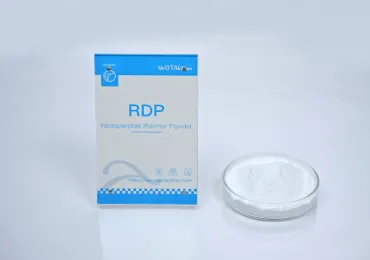 VAE RDP
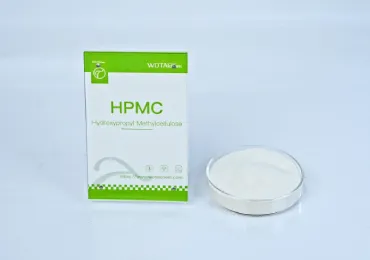 HPMC
HPMC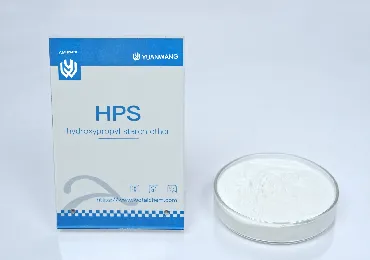 Starch Ether
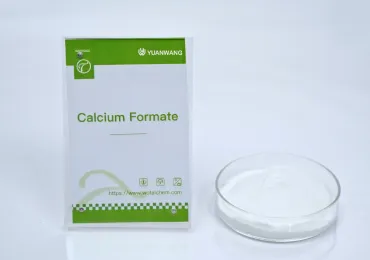 Calcium Formate
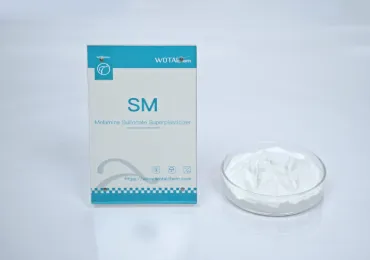 SM Superplasticizer
Get Your Free Samples Now!
Transform your tile adhesive performance with WOTAIchem additives – the trusted choice of professionals worldwide!

Resources & Blog



FAQs
A drummy tile is a tile that sounds hollow when tapped. It indicates that the tile lacks proper adhesion to the substrate, causing air gaps or voids between the tile and the adhesive layer. This condition can lead to reduced bond strength and potential tile detachment. It’s essential to address drummy tiles promptly to ensure a secure and long-lasting tile installation.
For C1 tile adhesives:
For C2TE and C2S1:
Tile adhesive needs to be evenly applied to the back of the tile. Ensure even application of tile adhesive on the tile’s back; rushing or uneven thickness can lead to tile voids.
Therefore, remember these summarized key tips when applying tile adhesive:
1. Apply adhesive evenly for proper bonding.
2. Avoid excessive thickness of uniform tiles.
3. Do not mix adhesive with cement.
4. Use leveling compounds for uneven surfaces.
5. Use dedicated grout for filling gaps.
6. Follow the correct water-to-adhesive ratio.
7. Don’t let the adhesive sit too long before use.
8. Control adhesive application area to prevent drying.
 Contact Us