


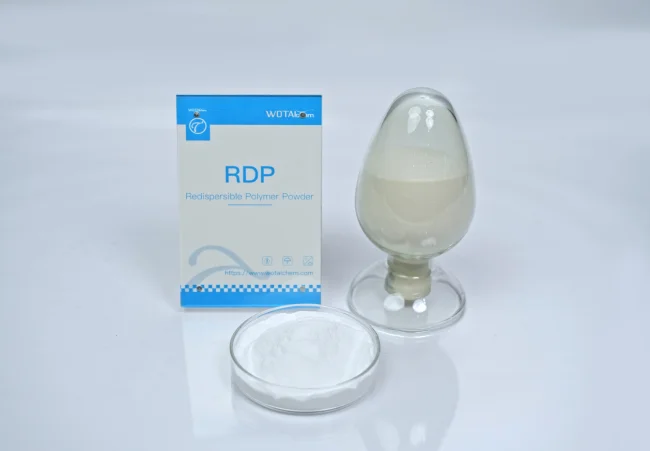
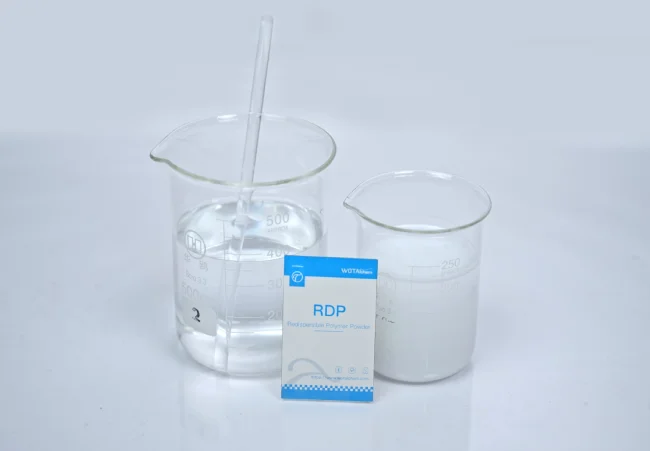

Introducing RDP Product T-5048N
The major market of RDP powders is the construction industry to formulate dry mix materials. T-5048N is a multi-purpose polymer powder for dry mix materials. It’s specially designed for wall putty and tile adhesives.
For tile adhesive applications, T-5048N improves workability with slip resistance. You may easily lay the tiles from top to bottom without using spacers.
For skim coat applications, T-5048N increases wall adhesion and reduces shrinkage. It dries and cures more efficiently to create a smooth and aesthetically pleasing finish.
T-5048N Techinical Data
 General Information
Ash content 12±2 Solid content 99% Protective colloid PVA Appearance White to light beige powder  Other Specifications
Moisture 0.7-0.8 PH value 6-8 Glass transition temperature/Tg ≥3 ° Minimum film formation temperature 0°
T-5048N Application Process
In the ready-mix dry mortar manufacturing process, blending T-5048N with the other dry ingredients is essential.
Control the room temperature and avoid sudden rises during mixing. It’s important because the polymer powder has thermoplastic properties that could lead to agglomeration.
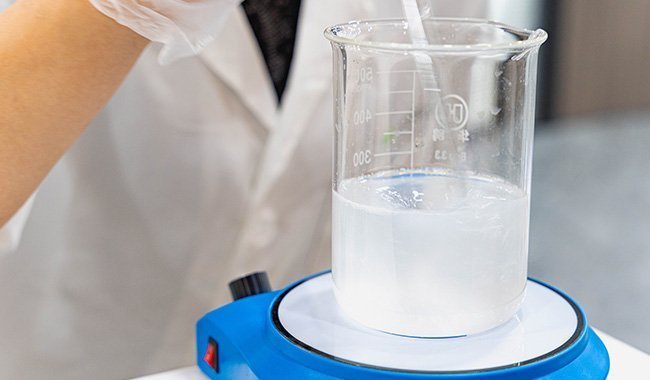
To prepare the mortar, add the correct amount of water according to the recommended dosage. The mixture can be done either by hand or using a mechanical mixer. While hand mixing generates less shear force, it is advisable to let the mortar slake for 5 mins before stirring it again. However, this step can be removed if mechanical mixers are used.
T-5048N Packaging and Storage
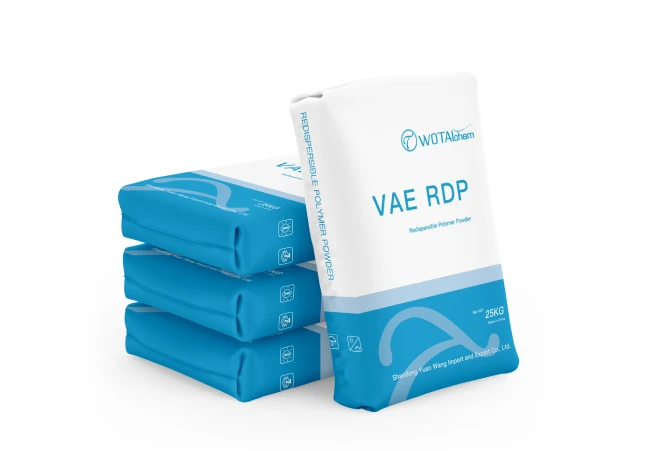
25/bag and 500kg/pallet as standard volumes.
Other volumes or bulk purchases on request.
It’s important to store the product properly and keep it away from moisture. Agglomeration may occur if the product comes in contact with humidity or is exposed to sunlight. Try to avoid storing the product over 30 degrees.

More Products





FAQ
Have any questions for us? We have answers, most of the time.
The ash content refers to the film-separating agent added during the emulsion powder spraying process. The film separator is compulsory. It makes the colloidal powder. It is best to remain the ash content above 12%. Otherwise, there is a risk of causing caking during transportation.
Anyway, the ash content is just one of the product indicators. It doesn’t determine the product’s overall quality. However, some companies claim a minimal ash content rate to draw attention.
Cracking and peeling.
The surface is not prepared properly, the putty layer is too thick, and poor adhesives or low-quality ingredients are used.
Uneven finish.
The putty is not mixed correctly. Use appropriate tools for the application procedure. Follow the manufacturer’s guide to mixing the compounds.
Poor adhesion.
It is crucial to use compatible materials to achieve proper adhesion of the putty. Clean the surface thoroughly before applying the putty.
Using high-quality wall putty materials helps to achieve a long-lasting finish.
 Contact Us