


Enhancing Drilling Fluids Efficiency and Performance with PAC
WOTAIchem offers Polyanionic Cellulose (PAC) for drilling fluids. It’s compatible with various chemicals for many complex environments.
Our PAC is a premium product with a high level of carboxymethyl substitution. It has a lower content of sodium chloride. PAC serves as an excellent primary filter loss reducer in water-based drilling fluids.
-Cooling and lubricating the drill bit.
-Regulating formation pressure within the well.
WOTAIchem PAC Polyanionic Cellulose Specifications
At WOTAIchem, PAC is divided into two ranges. PAC HV (polyanionic cellulose high viscosity) and PAC LV (polyanionic cellulose low viscosity).

| Presence of Starch Derivatives | Absent |
| Moisture% | ≤10 |
| Apparent Viscosity | ≥40cP |
| API Filtration Volume | ≤23ML |

| Presence of Starch Derivatives | Absent |
| Moisture% | ≤10 |
| Apparent Viscosity | ≤40cP |
| API Filtration Volume | ≤16mML |
PAC Drilling Fluids
Polyanionic cellulose (PAC) is a widely used drilling fluid additive. It has a similar molecular structure to carboxymethyl cellulose (CMC). However, it is proven to be better than CMC as it reduces filtration, resistant to salt and high temperatures. And you can use PAC in temperatures up to 150°C.
The sodium salt of polyanionic cellulose is widely used in oil drilling, especially in salt wells and offshore drilling.
PAC carries fillings for well fractures in fracking fluids. It creates pathways that control fluid flow into the well structure. This reduces fluid loss and pressure drop.

High-viscosity PAC product is a cost-effective alternative to guar gum. It helps you cut down production expenses while maintaining the desired viscosity.

When PAC is added to drilling fluids, it makes them thicker. The thickness is beneficial as it helps avoid risky situations, such as the clogging of wells.

Polyanionic cellulose reduces water loss. It decreases the water needed in the production area.

PAC adjust the mud’s viscosity level. It’s also used to change the pH level in the mixture.
You can adjust the dosage of PAC polyanionic cellulose based on local conditions.
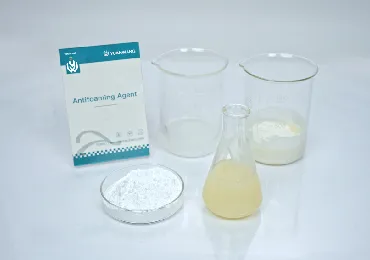
We also Provide Other Additives for Drilling Fluids
Drilling uses PAC Storage and User Guideline
Storage. Keep PAC dry to prevent clumping. Use a silo for adding PAC to the mud system, and limit it to two bags per hour.
Dosage. The recommended dosage is usually between 0.2-0.6%.
Caution. Wear gloves, masks, and goggles when dealing with PAC stock for safety. Avoid eye contact and inhaling dust, which can harm your lungs.
Advantage. Environmental Friendly. It’s compatible with most of the drilling fluid chemicals.


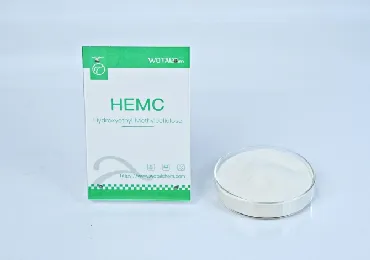
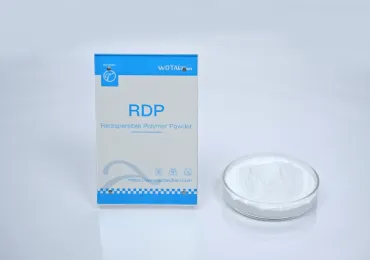
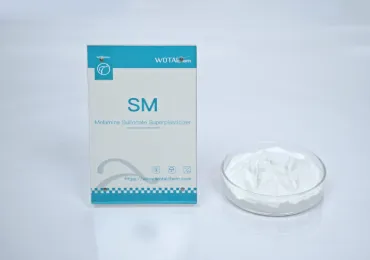
We also Provide


FAQs
Carboxymethyl cellulose sodium CMC and polyanionic cellulose sodium PAC are essentially the same. The only minor difference between them is the production standard, which leads to different parameters.
Compared with CMC, PAC has the characteristics of “three high and one low.” High stability, temperature, acid, alkali, salt resistance, and low usage.
CMC refers to sodium carboxymethyl cellulose. On the other hand, PAC generally refers to the solvent-slurry method, which was developed and used overseas. It produces modified CMC with highly stable performance. This CMC is applied in wider production fields and for more complex environments. As the high degree of substitution and more uniform distribution. It meets higher process requirements. This new type of CMC is internationally recognized as PAC Polyanionic cellulose.
PAC and CMC are one substance but with different production standards and specs. Generally, the substitution degree of PAC is more than 0.90, with better uniformity under normal situations. PAC is mainly used in petroleum drilling fluids. Industrial grade CMC can also be used for the same application, with cheaper cost, but not as effective as PAC.
 Stay Connected