


Proven Concrete Fiber Performance in Brazil




Case Study: 103 Tons Concrete Fiber Shipment to Brazil

The client is a Brazilian agent serving concrete production of Sika and Saint-Gobain projects.
For this 103 tons construction fibers order, our client has strict requirements: breaking strength ≥ 11.5 CN/dtex. Yuanwang conducted 50 sets of rigorous parallel tests, and achieved a verified result of 12.32 cN/dtex.
After a 37-day voyage, the concrete reinforcing fibers were successfully delivered to Santos Port, the largest port in Latin America. This concrete fiber batch achieved zero customs delay.
103,680 KG Orders Timeline

Technical parameter adjustment, testing

Export preparations and loading
Container loading efficiency 95%

The voyage takes 37 days

Customs clearance time <24 hours

100% damage-free delivery rate
Our Challenge
Technical Alignment with Brazilian NBR System
In Brazil, the breaking strength of concrete fibers is usually measured in cN/dtex. While in China, MPa is commonly used. This is one of the main challenges at the beginning of our cooperation.
To ensure full compliance with local requirements, we sent our concrete fiber samples to the customer’s 3rd party laboratory for testing according to Brazilian standards. The final test data was presented entirely in cN/dtex, precisely meeting the requirements of the Brazilian NBR.
This successful alignment is the first step in our entry into the Brazilian market.
Yuanwang Fibers for Concrete: Beyond the Standard
Based on Yuanwang’s years of experience as a concrete fiber supplier and exporter, we know for large-scale concrete and fiber cement board manufacturers in Brazil (such as Sika or Saint-Gobain), the mechanical properties of construction fibers directly determine the structural safety of the final product.
Our test results speak for ourselves:
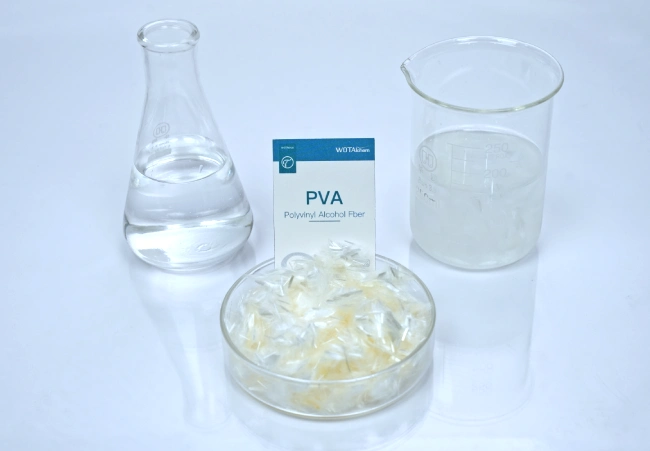
Polyvinyl Alcohol (PVA) Fiber: 7% Above Client's Requirement
In this collaboration, the client clearly stated that they needed to purchase high modulus and high tensile strength PVA fibers with a length of 6mm with strict specifications. As their chosen concrete reinforcing fiber supplier, Yuanwang’s PVA fiber test results showed a perfect match to the structural reinforcement requirements.
| Technical Indicators | Client Requirements | Yuanwang’s Actual Data | Result |
| Breaking Strength | ≥ 11.5 cN/dtex | 12.32 cN/dtex | Surpassed |
| Titre/dtex | 2.0±0.25 dtex | 2.11 dtex | Precision Hit |
| Elongtion % | ≤7.5% | 6.52% | Compliant |
| Elastic Modulus | 280±20 cN/dtex | 287 cN/dtex | Compliant |
| Dispersion Grade | Easy to stir, no agglomeration | Nível 1 (highest level) | Excellent |
| HWS Durability | 90°C/1hr≤2.0 % | 90°C/1hr only 0.49% (Guarantee a 50-year lifespan) | Ultra-Durable |
| Customs Compliance | NCM 5503.90.20 for the record | Complete set of documents (MSDS/Ex-Declaration) | Risk-Free |

Polypropylene Fiber: Precision Can Be Measured
Polypropylene concrete fiber is another batch of goods purchased by our Brazilian customer. For PP fibers, they have a detailed requirement: the umidade/humidity must be between 1.50% and 2.50%.
We deeply know, in the concrete mixing process, moisture directly determines whether the fibers can be evenly dispersed. As a major PP fiber manufacturer, Yuanwang’s precise craftsmanship ensures an accurate umidade/humidity rate of 1.98%. For Brazilian tropical climate, that prevents clumping during mixing.
| Technical Indicators | Client Requirements | Yuanwang’s Actual Data | Test Method |
| Título | ≤1.20 dtex | 1.15 dtex | IT-DT-JAC-03 / PR-GI-JAC-01 |
| Tenacidade | ≥9.00 cN/dtex | 9.85 cN/dtex | IT-DT-JAC-03 / PR-GI-JAC-01 |
| Alongamento | ≤25.00 % | 18.51% | IT-DT-JAC-03 / PR-GI-JAC-01 |
| Umidade | 1.50 % – 2.50 % | 1.98% | IT-DT-JAC-06 / PR-GI-JAC-01 |
| Grau de dispersão | Grades 1 to 3 | Level 1 | IT-DT-JAC-07 / PR-GI-JAC-01 |
Consistent Quality: From Trial Samples to 103.68 Ton Orders
The customer ultimately chose to partner with our factory, not because of the data from our lab samples, but because we proved that at a scale of 100 tons, the quality of 576 packages of fibers remained stable just like the samples. Our structural fibers for concrete were verified with below performance.
- Thermal Stability and Bonding Property
- Batch Consistency
✅ Initial modulus: Multiple batches were inspected, and the initial modulus was highly consistent at 321 – 324 cN/dtex
✅ Thermal stability (PDSC): Verified by pressure differential scanning calorimetry. The peak temperature of the product remained stable at 116.0°C – 117.0°C, and it would not melt under local overheating conditions.
✅ Precise control of oil content (Oiling): The actual measurement was 0.16% – 0.17%, balancing the dispersion and the interfacial bonding strength between the fibers and the cement matrix.
✅ Excellent dispersion: The dispersion degree remained consistently. The client would not worry about fiber agglomeration.
| Grade | Q – 13 | Q – 13 | Q – 13 | Q – 13 |
| Titer (dtex) | 1.93 | 1.93 | 1.87 | 1.9 |
| Dry breaking tenacity (cN/dtex) | 14.3 | 14.1 | 14.1 | 14.4 |
| Dry breaking Elongation (L/L) | 7.1 | 7 | 7 | 7.1 |
| Initial modulus (cN/dtex) | 324 | 324 | 324 | 321 |
| Oiling (%) | 0.17 | 0.16 | 0.16 | 0.16 |
| PDSC Initial Temperature (℃) | 112 | 112 | 113 | 111 |
| PDSC Peak Temperature (℃) | 117 | 116 | 117 | 117 |
| Dispersion | 2 | 2 | 2 | 2 |
Good samples but poor bulk goods? No! Below is the result of our random sampling from different production batches. Under the same testing conditions, four independent batches achieved dispersion grade 1. This ensures no agglomeration during industrial mixing.
| PRODUCTION LOT | TESTED DATE | N.W T | TITER dtex | TENACITY CN/dtex | ELONGTION % | E -MODULUS CN/dtex | (1hr90℃) HWS % | DISPERSION 6 CLASSES |
| 20250312 | 20250313 | 25.92 | 2.1 | 12.08 | 6.52 | 287 | 0.64 | 1 |
| 20250313 | 20250314 | 25.92 | 1.97 | 12.24 | 6.29 | 281 | 0.58 | 1 |
| 20250314 | 20250315 | 25.92 | 2.05 | 12.16 | 6.63 | 276 | 0.7 | 2 |
| 20250315 | 20250316 | 25.92 | 2.11 | 12.32 | 6.24 | 290 | 0.49 | 1 |
Beyond the Product: How We Delivered Successfully to Brazil?
For this shipment of 103,680 KG, consisting of 4 40’HQ containers, 72 pallets, and 576 packages (180KG per package). Backed by our rich logistics export experience, the customs clearance time for the goods at the Santos Port was significantly shortened.
Our customer got back to us after receiving the goods:
“I thought customs clearance would take me a month to handle by myself, but you guys took care of it all.”
We prepared complete customs clearance docs, including MSDS, COA, Certificate of Origin, and Commercial Invoice, etc. All weights and quantities (576 packages) are exactly the same as those on the Bill of Lading.
We carried out standard pallet loading optimization. 72 pallets were reinforced and designed with a four-way forklift entry. This shortened the unloading and inspection time.
We assisted in B/L verification to ensure clients meet the remittance supervision requirements of the Central Bank of Brazil. We provided a clear NCM classification basis to assist customers when applying for the Radar License.
Proven Reliable Fiber Manufacturer
Our Brazilian customer purchased Yuanwang™ reinforcing fibers for concrete and cement uses. The concrete fiber products involve PP fibers (microfiber, macro fiber) and PVA fibers. From sample testing, small-batch trial orders to long-term cooperation, we have been trusted by Brazilian producers for structural reinforcement and crack control.
✅ Standard Compliance: 100% NBR 16942 / EN 14889-2 Compliant
✅ Passed Top-level Fiber Certification: Professional suppliers at the Sika and Saint-Gobain supply chain level.
✅ Risk-Free Customs: Rich experience in customs clearance at the Port of Santos (NCM 5503.90.20 Professional Declaration)
✅ Local Endorsement: Collaborative Backing by Brazilian Fiber Association
✅ Local Adaptation: Tailored for Brazilian Construction Habits and Specification – High elastic modulus (GPa) and strength (cN/dTex)
COMPLETE CONCRETE/CEMENT ADDITIVE SOLUTIONS
Yuanwang provides not only concrete fibers and cement fibers, but also one stop solutions. Our additive solutions are suitable for concrete construction, fiber cement board manufacturing and fiber reinforced cement products.
We have had joint testing with our customer to help optimize their mix design, and they’ve got better performance.
YOUR CONCRETE · FIBER CEMENT BOARD PROJECT
(Fiber Cement · Prefabricated Components · Commercial Concrete · Shotcrete)

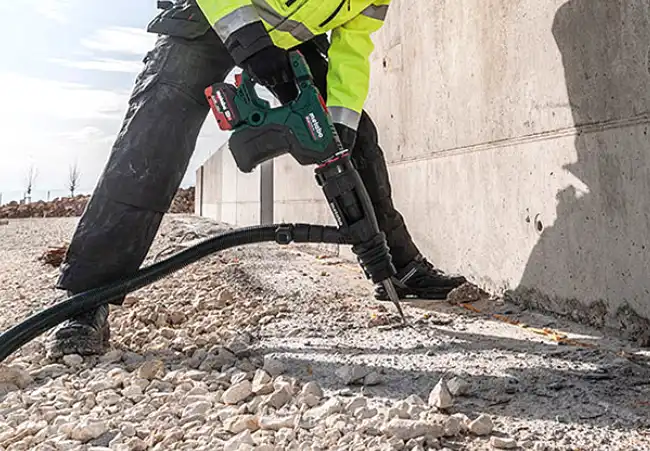
· Polyvinyl Alcohol Fiber
· Polypropylene Fiber
· Polycarboxylate Superplasticizer
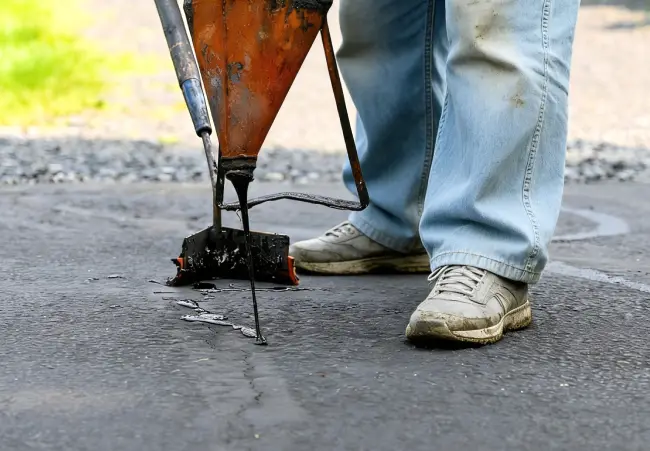
· Polypropylene Fiber
· Polyvinyl Alcohol Fiber
· Polycarboxylate Superplasticizer
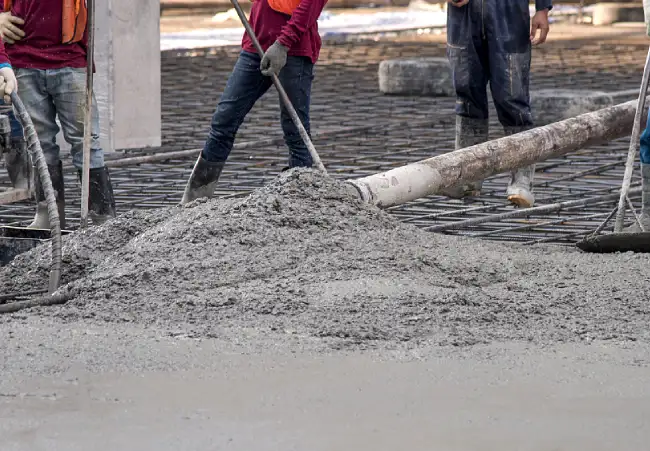
· Superplasticizer
· Polypropylene Fiber
· Powder Defoamer

Formulation Lab Support
The construction environment of Brazil is complex. Even use the top-quality PVA or PP fibers, challenges will also exist if lacking scientific formulation ratios.
Yuanwang’s experience is that, we know the effect of the fiber for concrete reinforcement is not only related to the reliability of the material, but also depends on the ratio and compatibility between the fiber and water reducers, cellulose ethers, and redispersible polymer powders, etc.
4 Steps Formula Consultation
You provide the local cement type and construction environment.
In Yuanwang laboratory: We select the local base material with the closest performance, and conduct 7-day/28-day cyclic flexural and shrinkage tests, using the fiber strength tester to verify the stability of the formula.
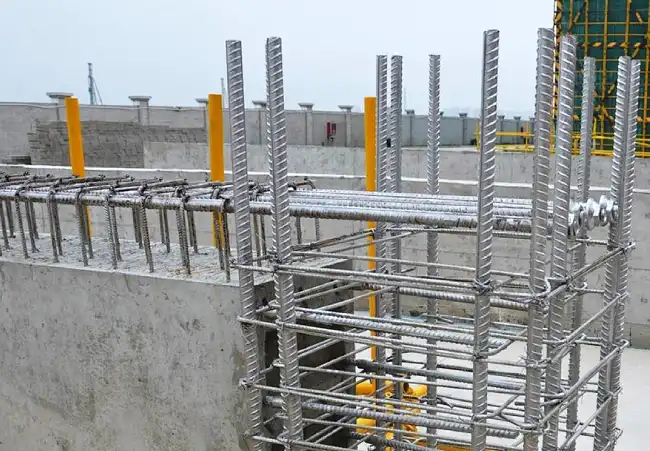
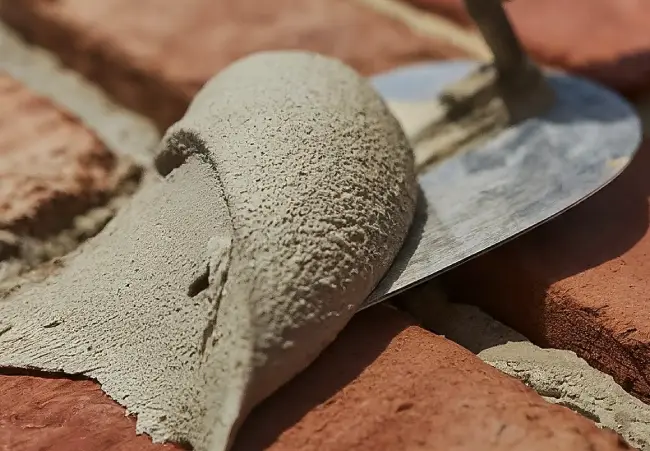
Concrete Fiber Application Solutions


From Sample to Scale
| Phase | What We Do | What You Get |
| 1. Sample Express | DHL/Fedex pre-cleared samples to your lab | Fast testing, no customs hassle |
| 2. Technical Validation | Tested against NBR standards with local labs | Technical report you can trust |
| 3. Concrete Fiber Trial Order | Small batch by sea, full documentation | Risk-free industrial testing |
| 4. Full Container | Regular shipments, your branding | Cost efficiency |
| 5. Local Partnership | Agency agreement, local stock | Market exclusivity |
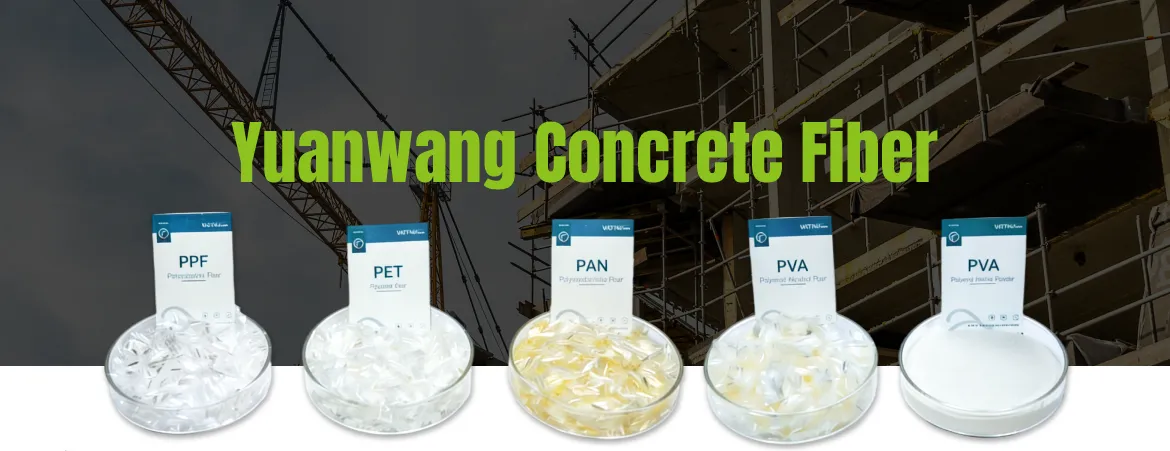
Yuanwang™ Types of Fibers

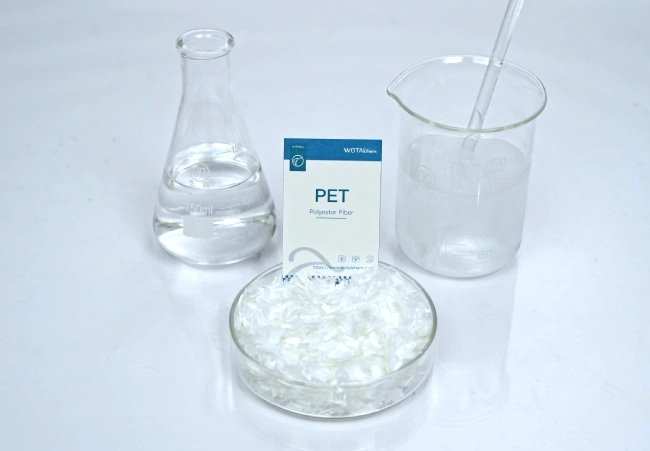
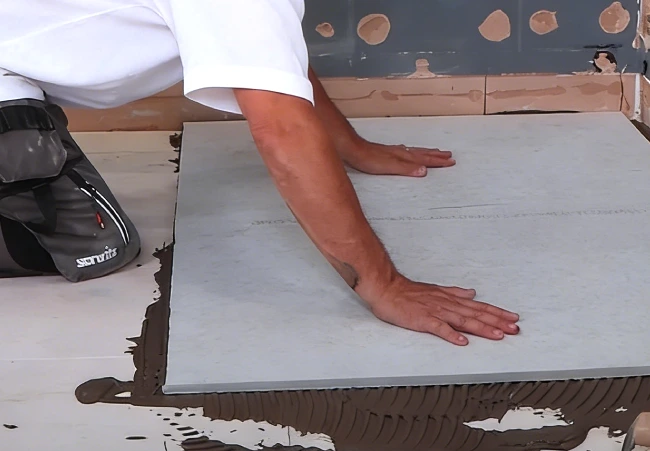
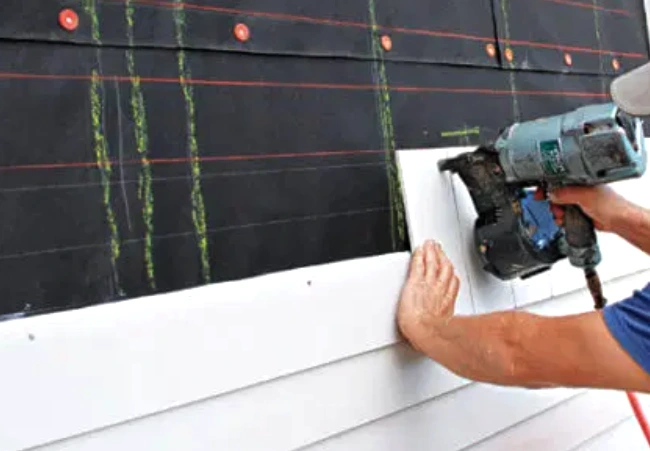
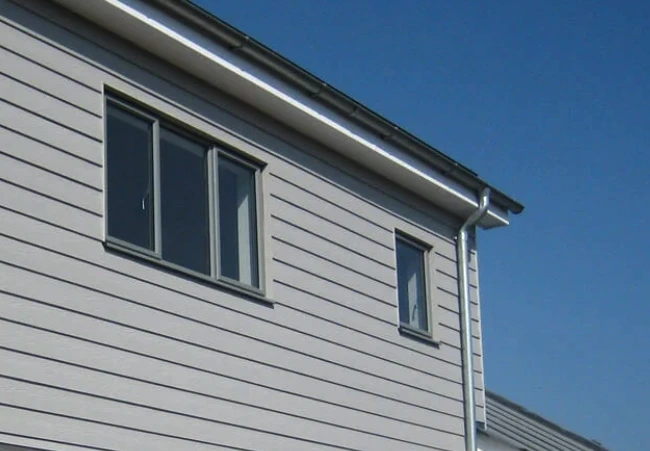
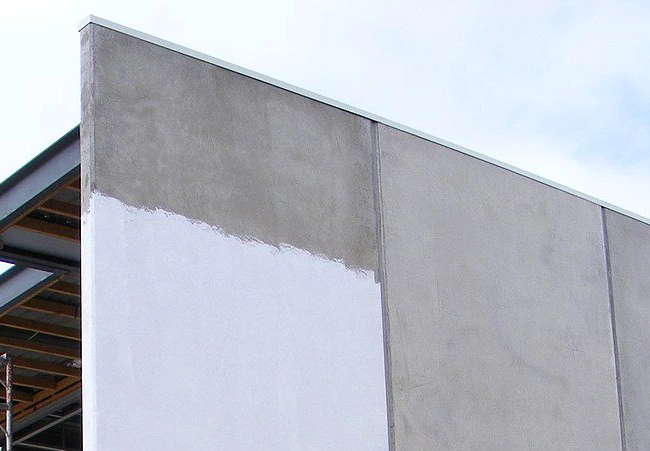
Enhanced bonding for asphalt reinforcement, polyester fiber acoustic panel, acoustic polyester fiber sheets
High modulus reinforcement for bridge decks and high-performance asphalt.
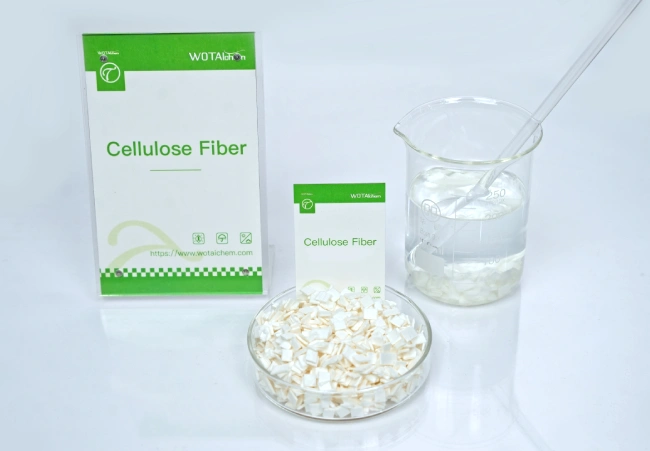
Natural thickening and stabilization for tile adhesives and textured coatings.
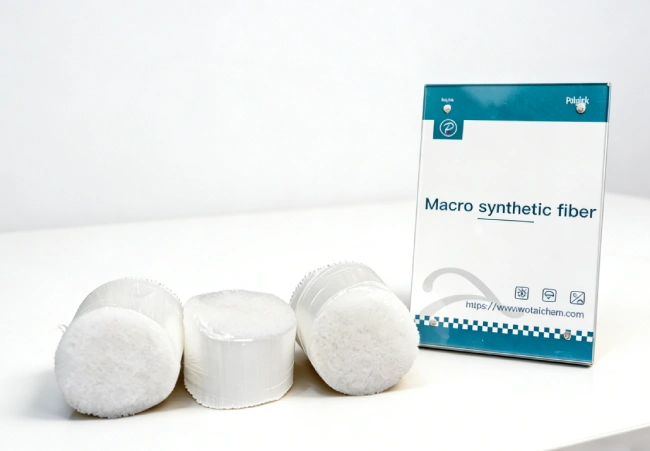
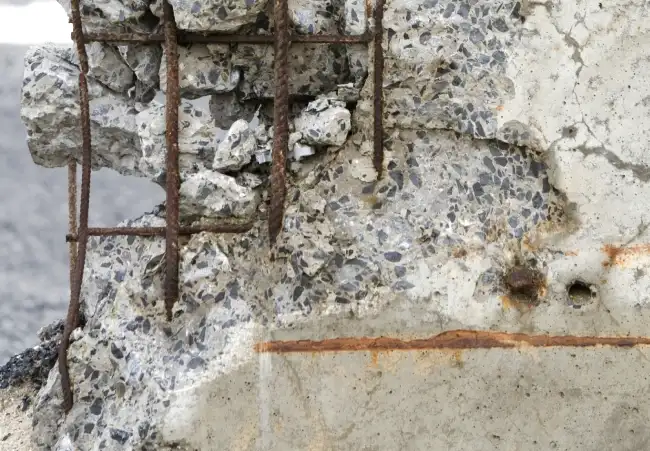
Structural reinforcement; the best replacement for steel mesh in concrete floors.
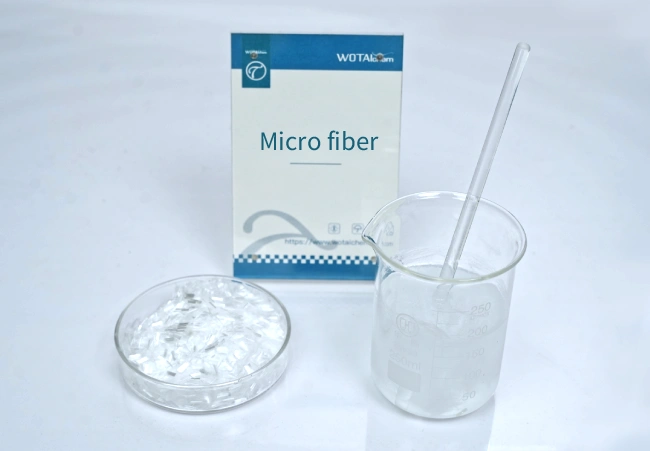
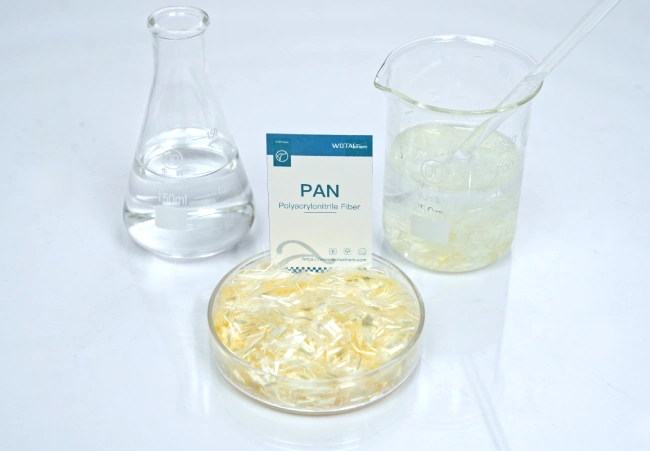
Superior control of plastic shrinkage cracking in early-stage concrete and precast elements.
FAQ
The best fiber is the fiber that best suits your specific application scenarios and engineering requirements. Here are several main fibers for reinforced concrete recommended by Yuanwang.
▪️Optimal structural reinforcement and alternative to steel mesh: Macro Synthetic Fiber (Polylink™)
▪️Best for fiber cement boards: PVA fiber
▪️Best for early crack resistance and seepage prevention: Micro PP Fiber
▪️Best for roads and pavement projects: Polyester (PET) or polyacrylonitrile (PAN) fiber
Purpose of use/scenario | Recommended dosage | Recommended Reinforcing Fibers |
General crack prevention (for building floors, roofs, mortar, parking lots, etc.) | 0.6 – 0.9 kg/m³ | Staple fibre (6mm – 12mm) |
Enhanced type (bridge deck pavement, water conservancy project panels, etc.) | 0.9 – 1.2 kg/m³ | Medium length fibre (12mm – 19mm) |
Tunnels and Fire Prevention | 1.0 – 2.0 kg/m³ | Monofilament or fiber mesh |
Flood control embankment/wharf | 1.2 – 1.5 | Alkali-resistant special PP fiber |
Polypropylene fibers are commonly referred to as synthetic microfibers. Its density is approximately 0.90 – 0.91 g/cm³.
It is the only commonly used fiber with a density less than 1. The low density enables the PP fibers to have a high distribution density within the concrete. Thus they are more suitable for combating the initial cracks in the concrete.
High-density fiber usually refers to those reinforcing materials whose density is significantly higher than that of polypropylene (PP, 0.91 g/cm³) or nylon (1.14 g/cm³).
Unlike polypropylene fibers, the network formed by high-density fibers in concrete is not the comprehensive coverage. Instead, it aims for structural support. High density fibers include:
Steel Fiber
Basalt Fiber
Glass Fiber
Carbon Fiber
We offer two-factor authentication.
The original production data was based on ISO/EN standards.
For the Brazilian market, we also introduced the NBR 15530 and NBR 16942 ABNT testing processes. The physical quantity units we adopt are all recognized by Brazilian laboratories, such as the breaking strength (cN/dtex) and linear density (dtex).
No. The reasons are as below:
1) The third-party lab testing of our customer shows thay the elastic modulus of our PVA fibers is stable at 280±20 cN/dtex.
2) They have passed the PDSC thermal stability verification (peak temperature 117°C).
3) They are fully compatible with mainstream hot-pressing extrusion processes such as Hatschek.
 Contact Us