




China Concrete Fiber Additive Manufacturer
Yuanwang™ fiber mesh concrete additive is a fiber reinforcement system based on synthetic polymer materials. Its core function is to form an efficient support network using synthetic fibers.
It is specially designed to improve the crack resistance of concrete. It can effectively prevent the formation and expansion of shrinkage cracks. This provides reliable support for the stability and durability of concrete structures.
As a leading China concrete fiber additive supplier, we offer different types of fibers used in concrete:
▪️Polyvinyl Alcohol Fiber – PVA Fiber
▪️Polyacrylonitrile Fiber – PAN Fiber
▪️Polyester Fiber – PET Fiber
▪️Polypropylene Fiber – PP Fiber
Concrete Fiber Additive Benefits
🏅Effectively prevents shrinkage cracks: fiber mesh acts as an internal support, keeping micro-cracks under control.
🏅Boosts durability and toughness: fibers enhance concrete’s resistance to impacts and cyclical stress.
🏅Works well with rebar: combining fibers and rebar delivers both tensile strength and crack control — ideal for robust, long-lasting structures. 👉 See our full comparison here: Fiber Reinforced Concrete vs Rebar: Which is Better?
Concrete Fiber Additives for Strength
In the first 24 hours after concrete pouring, the tensile strength of the concrete is relatively low. The rapid evaporation of moisture can lead to the formation of numerous cracks.
By adding concrete fiber, the tensile stress caused by plastic shrinkage can be resisted, effectively preventing or reducing the formation of cracks. This enhances the strength and toughness of the concrete.
Highlights of our concrete fiber:
▪️High tenacity
▪️High modulus
▪️Excellent water solubility
▪️Excellent anti crack performance


Excellent Compatibility with Other Concrete Additives
Multiple fibers form an interwoven network in concrete, creating a hybrid fiber effect.
Adding redispersible polymer powder helps form an organic film, and it can significantly enhances the bond between fibers and the cement matrix. This improves fiber dispersion and integration. Ultimately boosting the toughness and crack resistance of the concrete.
Types of Fibers in Concrete

Polyvinyl Alcohol Fiber (PVA Fiber)
Mechanical Properties: High strength, high modulus.
Key Advantages:
- Excellent water dispersion; fibers do not clump.
- Outstanding acid and alkali resistance with strong chemical durability.
- Superior light resistance; retains strength under prolonged exposure to sunlight.
- Corrosion-resistant; does not mold or rot over time.
Melting Point:≥216℃
Applications:
With excellent dispersion and alkali resistance, PVA fiber bonds well with concrete, making it an ideal reinforcement material in concrete.
Polyacrylonitrile Fiber (PAN Fiber)
Tensile Strength: ≥800 MPa
Elastic Modulus: ≥16 GPa
Breaking Elongation: 10–25%
Density: 1.18 g/cm³
Length: 6 (±1) mm
Melting Point: ≥220℃
Key Advantages:
- Exceptional heat resistance; can withstand 240℃ without melting, ensuring excellent thermal stability.
- High tensile strength.
Applications:
Specifically designed for asphalt concrete, enhancing crack resistance. Widely used in high-grade asphalt projects such as highways, municipal roads, airport pavements, and also in earthquake- and explosion-resistant concrete structures like bridge decks and airport runways.


Polyester Fiber (PET Fiber)
Key Advantages:
- High strength, especially in dry conditions.
- High modulus, ranging from 14–17 GPa.
- Excellent resilience; recovers nearly completely after a 5% extension.
- Superior abrasion resistance.
- High melting point: 290–295℃.
Applications:
Used in asphalt and concrete, enhancing performance and durability.
Polypropylene Staple Fiber
Elastic Modulus: ≥3500 MPa
Ultimate Elongation: 15–18%
Melting Point: 160–170℃
Water-soluble and eco-friendly, non-toxic.
Features:
Distributes uniformly in mortar in a 3D random pattern, forming a reinforcing network. Adding 1 kg of PP fiber to 1 ton of mortar introduces over 30 million individual fibers.


Polypropylene Coarse Fiber
Material: 100% Polypropylene
Fiber Type: Crimped, wave-shaped
Tensile Strength: 450–550 MPa
Elongation at Break: 8–10%
Fiber Length: 55 mm, 30 mm, 25 mm
Dosage: Standard: 2–20 kg/m³; Typical: 2.5 kg/m³
Applications:
Reinforces concrete in panels, partial strengthening, and sprayed concrete applications. Commonly used in highways, railways, tunnels, and culverts.
Can replace steel fibers for crack resistance and structural reinforcement, enhancing the bridging and reinforcing effect.
Find the Perfect Product for Your Project!
Concrete fiber additives are one of our flagship product lines, but we also offers a wide range of other concrete additives to meet your needs, such as:
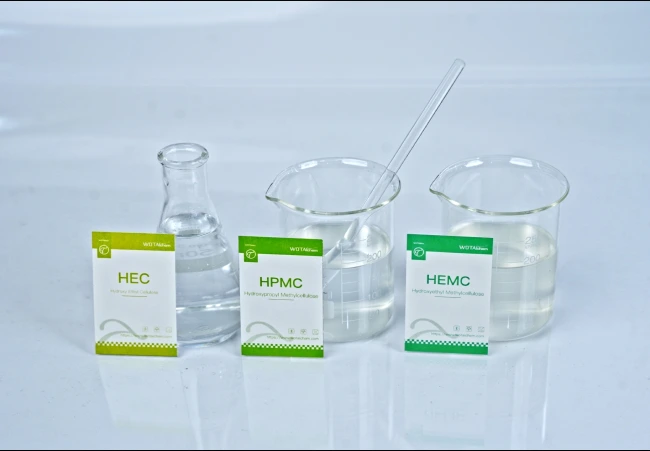
▪️ Cellulose ether: HEC, HEMC, HPMC
▪️ Redispersible polymer powder (RDP powder)
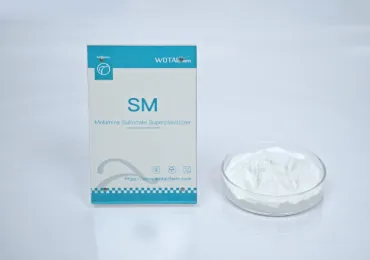
▪️ Superplasticizers
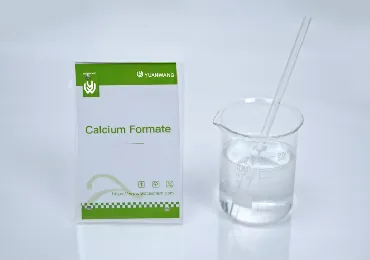
▪️ Calcium formate
▪️ Defoamers (mineral oil defoamer, polyether defoamer, fatty alcohol defoamer and silicone defoamer)
Highlights of Our Concrete Fiber Additive
 Enhanced Crack Resistance
Our fibers used in concrete exhibit exceptionally high tensile strength. Once added, they form a reinforcing network within the concrete, increasing its compactness and strength while reducing the occurrence of cracks.
 Improved Toughness
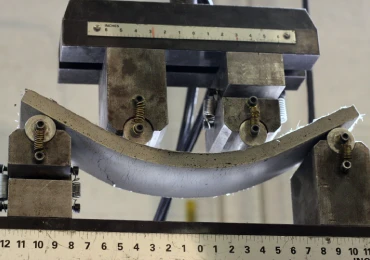
Our concrete fiber additives feature a high elastic modulus and large elongation. When concrete cracks, the fibers span the cracks and continue to bear tensile stress, allowing the concrete to endure greater deformation and expansion.
 Increased Seismic Resistance
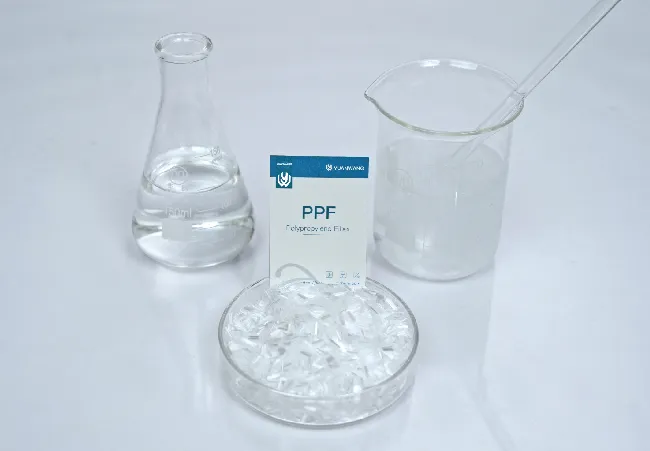
Our PPF (Polypropylene Fiber) combines the functionality of steel fibers with the advantages of synthetic fibers. When added, it stabilizes the internal structure of the concrete, preventing collapse and damage during vibrations.
 Enhanced Environmental Resistance
Our fibers used in concrete possess excellent resistance to acids, alkalis, light, and heat, enabling them to withstand harsh environmental conditions.
 Environmental Benefits
Our concrete fiber additive is eco-friendly, non-toxic to humans, and safe for the environment.
Why Choose Us?
 Strong Financial Support
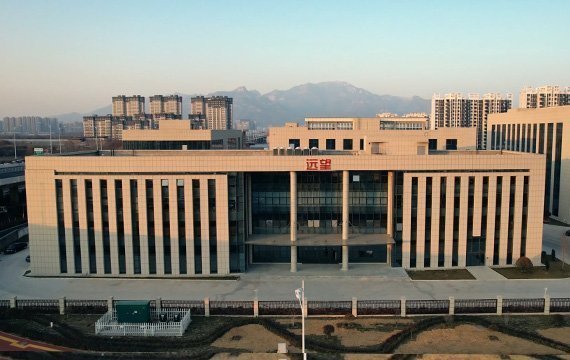
Direct government funding ensures a stable financial and supply chain, offering customers flexible payment options.
 High Production Capacity
Five production bases with an annual capacity of 40,000 tons per product.
 Strict Raw Material Testing
Raw materials are meticulously selected and tested to ensure compliance with production standards.








Related Concrete Additives




FAQ
Have any questions for us? We have answers, most of the time.
🟢 Adjust the consistency of concrete to ensure excellent flowability. – Water Reducers
🟢 Enhance the thickness of concrete while improving water retention, making the mix smoother. – Thickeners
🟢 Reduce air bubbles in the concrete, creating a denser mixture and ensuring uniformity and strength. – Defoamers
🟢 Accelerate cement hardening in a short time, reducing construction periods and preventing frost damage in winter’s low temperatures. – Early Strength Agents
🟢 Prevent the formation of micro-cracks, improving various strengths of concrete, including tensile and fatigue strength. – Concrete Fiber Additives
 Contact Us