




Concrete Additive to Prevent Cracking
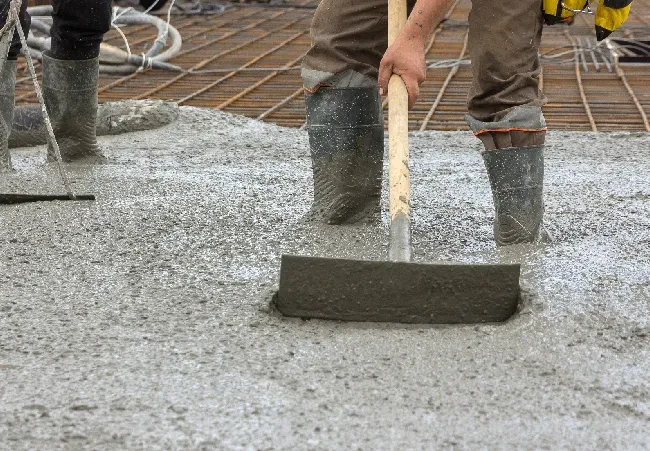
The most common concrete cracks, known as concrete shrinkage cracks, are caused by moisture loss. When water evaporates, it leaves empty spaces or voids within. As the concrete continues to cure and settle, creating tension and stress, which results in cracks.
Concrete cracks weaken the overall durability of the concrete. This issue often happens when concrete is poured or placed in hot weather.
Cracks in concrete can be minimized or even prevented by reducing drying shrinkage. At WOTAIchem, we offer various types of concrete additives to prevent cracking. The four most commonly used additives are:
- HPMC, full term as Hydroxypropyl Methylcellulose.
- VAE RDP, which is re-disepersible polymer powder.
- High range water reducer, also called superplasticizer.
- PP or polypropylene fiber.
Using the Right Concrete Additive to Prevent Cracking
Concrete cracks occur in most scenarios due to plastic shrinkage during the concrete curing process. When the concrete is not fully settled or in an unhardened state.
Drying shrinkage or other factors such as weather or temperature may cause cracks in concrete. Using the right concrete additive to prevent cracks can lead to better concrete performance.
Types of Concrete Additive to Prevent Cracking

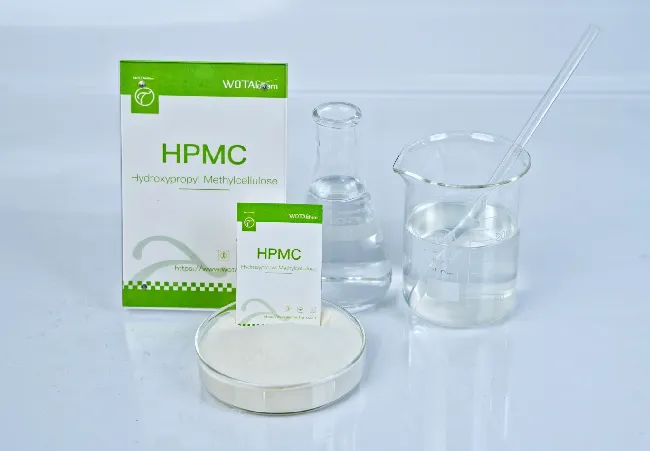
HPMC Powder
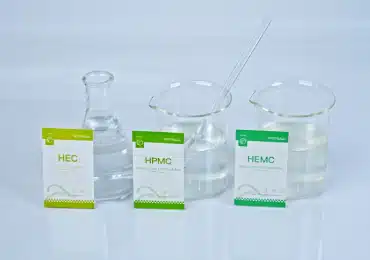
HPMC powder is a commonly used additive that is easy to use. Add the required dosage of HPMC powder to clean water. Slowly add the powder while stirring to prevent clumping. Generally, the concentration of HPMC solutions ranges between 1% and 3%. However, the exact concentration can depend on your specific project needs.
Lastly, add the HPMC solution to your concrete mix. Mix thoroughly to ensure even distribution.
RDP Redispersible Polymer Powder
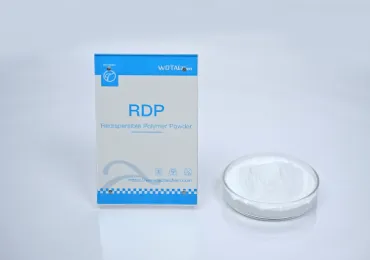
RDP polymer powder is another additive that is often added to concrete. It enhances bonding, flexibility, and water resistance and reduces cracks in concrete.
You may add RDP powder during the concrete preparation and mixing process. Make sure it’s evenly mixed for a maximized effect.


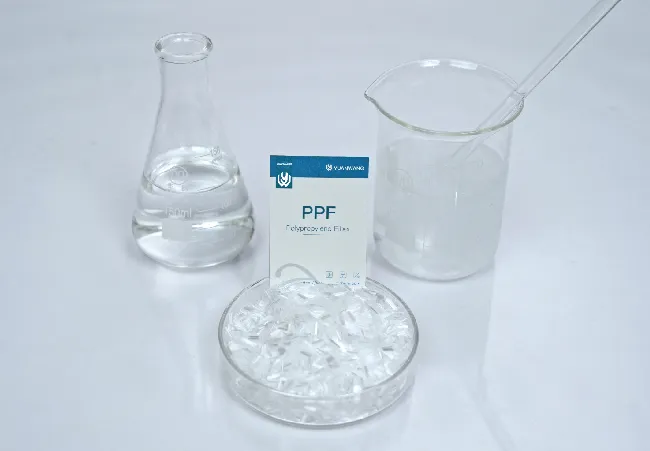
PP Polypropylene Fibers
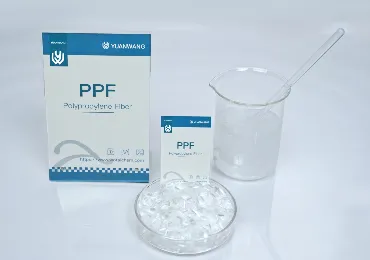
Polypropylene fibers are the most economical additives for preventing cracking in concrete. They are very easy to use, requiring no alterations to the mix or special equipment. However, two key factors must be considered: the dosage and the fiber length. The amount of fiber added to the mix and choosing the correct length is equally important.
We manufacture polypropylene fibers in bundles of various lengths. You can contact us to find out which length is best for your needs.
Less Water. Less cement. Double strength.
Superplasticizer, often referred to as HRWR (high range water reducer). Commonly used to improve concrete performance and reduce cement and water consumption. Polycarboxylate superplasticizer is one of the most frequently used types.
First, mix the superplasticizer with water in the correct proportion to ensure it is evenly blended. Then, add this solution to the concrete mixture. Adjust the water content as necessary to achieve the desired concrete strength.

The WOTAIchem Advantage
 Manufacturing and Production Expertise
- Multiple factories specialize in production and formula improvement.
- Meeting the diverse needs of global customers.
 High Quality and Affordable Prices
- Real-world application analysis considers weather and all factors.
- Comprehensive team service and specialized assistance at every stage.
 Always Stocked with What You Need
- Manufacturing strength and quick shipping for large and urgent orders.
- Order anytime, we’re always ready with year-round availability!
Say Goodbye to Concrete Cracks!
Are you tired of dealing with concrete cracking issues on your construction projects? Our additive solutions are here to help with stopping concrete cracking!
We offer free samples to test, and we can help you adjust formulas if needed! Contact us now and choose our solutions for your building projects!

More Quality Admixture Solutions





Hot Searched Topics
1. Pay attention to temperature changes.
Cracking occurs due to significant temperature changes. That’s why we should keep a look at temperature as it affects how well the concrete sets and gains strength.
If it’s too cold, the concrete might freeze before it properly hardens. If it’s too hot, the concrete can dry out too quickly, causing cracks and not reaching its full strength.
2. Avoid using too much water.
Too much water in the concrete mix is a major reason for uneven volume changes, which lead to significant shrinkage and cracks.
Superplasticizers help create easy-to-work-with, high-slump concrete without needing to add extra water.
3. Proper curing time.
In cold weather, concrete needs more time to cure to prevent cracking. Cover it with a curing compound or damp burlap for at least three days. A longer curing period is required to achieve compressive strength.
4. Curing naturally.
Letting concrete cure naturally ensures it gains strength properly and prevents cracks.
5. Remember to add concrete reinforcement fibers.
Adding reinforcing fibers to the concrete mix makes the concrete stronger and less likely to crack.
 Contact Us