


Wood Cellulose Fiber Manufacturer
Wood cellulose fiber is a natural polymer fiber derived primarily from wood. It is produced by extracting cellulose from plant cell walls. It is natural and renewable, and is widely used in construction, insulation, and sustainable materials.
If you’re in need of wood cellulose fiber for construction, Yuanwang is your top market choice. We use DCS systems to monitor our fiber production. This control system ensures consistent fiber quality that meets international standards.
Over 90% of our wood cellulose fiber is utilized in construction for its strength and versatility. Currently, we have exported to over 30 countries worldwide.
- Synonyms: Cellulose wood fiber.
- Wood Cellulose Fiber Price: Negotiable.
- OEM Options: Support.
- MOQ: Negotiable.
- Payment: T/T, LC, OA.
Wood Cellulose Fiber Grades
Wood Cellulose Fiber
Official TDS Data | For International Clients
| Model | Appearance | Key Specifications | Applications | Packaging & Loading | TDS Download |
|---|---|---|---|---|---|
| 90CF | White flocculent powder |
| Tile Adhesive Mortar | 10kg/bag 20’=3.2MT 40’=8.64MT | Download |
| 85CF | White flocculent powder |
| Tile Adhesive Mortar | 15kg/bag 20’=4.8MT 40’=12.96MT | Download |
| 75CF01 | Off-white flocculent powder |
| Putty Tile Adhesive Plastering Mortar | 10kg/bag 20’=3.2MT 40’=8.64MT | Download |
| 75CF02 | Off-white flocculent powder |
| Putty Tile Adhesive Plastering Mortar | 12.5kg/bag 20’=4MT 40’=10.8MT | Download |
| 70CF | Flocculent powder |
| Tile Adhesive Putty Plastering Mortar | 10kg/bag | Download |
| 50CF | Gray-white flocculent powder |
| Mortar Construction | 15kg/bag 20’=4.8MT 40’=12.96MT | Download |
Product Overview
From Wood to Fiber
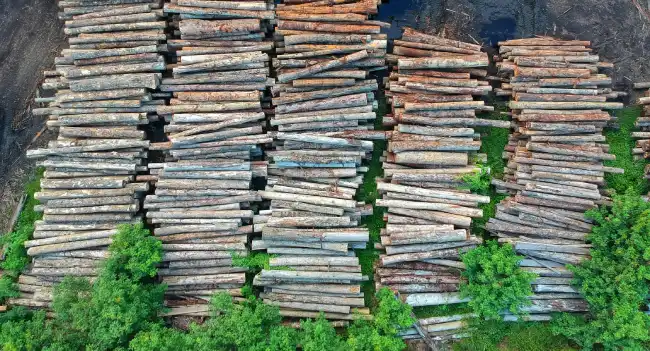
Wood cellulose fiber is made from wood pulp. Natural wood is first processed through pulping and bleaching to produce wood pulp. The pulp is then dissolved and filtered to remove lignin and hemicellulose, leaving behind high-purity cellulose.
This purified cellulose undergoes spinning and solidification processes to form the final fiber product. Cellulose fiber wood pulp is the core raw material in its production.
Product Information
Type: Eco-friendly cellulose construction fiber.
Compliance: ISO, CANS, SGS, etc.
Application:
> Wood Pulp Sponge
> Concrete Mortar Mix


Wood Cellulose Fiber Specification
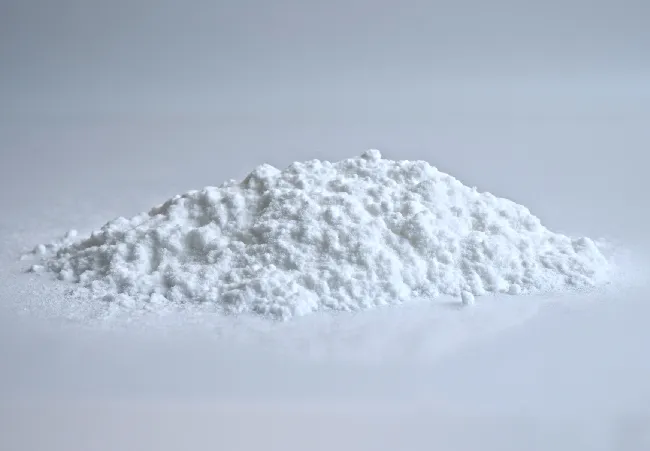
Appearance: Cotton-like or granular fibers.
Color: White or offwhite.
Grade: Organic fiber.
Fiber Model: YW85CF; YW75CF-01; YW75CF-02.
Length: 250-550 μm.
Fiber Content: 80-90%.
Brightness: 75-85%.
Moisture: ≤6%.
pH Value: 7.0±1.0.
Advantages of Wood Cellulose Fiber
1. Excellent thermal and heat insulation.
2. Uniform thermal expansion without shell cracking.
3. Higher wet film and coverage effect.
4. Improve water retention.
5. Good thickening effect.
What Set Us Apart?




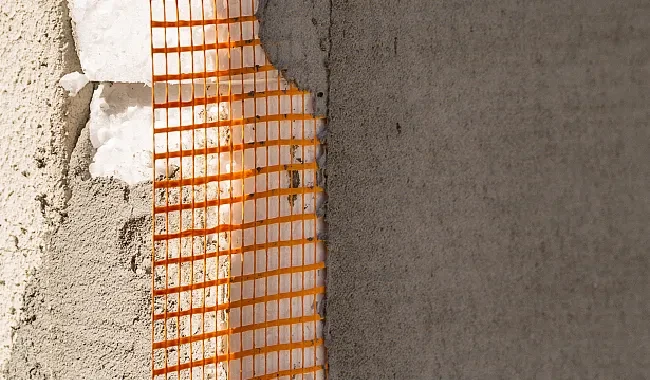
Construction Anti Crack Fiber Solution
>> Wide Fiber Product Choices
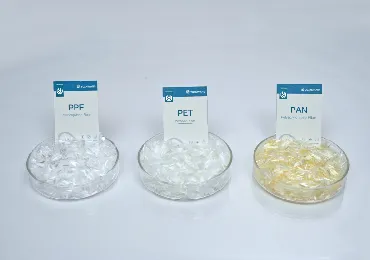
In addition to powdered and fiber type of cellulose material, we offer concrete fibers. Our bestsellers include PPF, PVA, PAN, and PET fibers. Their combined use enhances concrete and mortar with excellent crack and impact resistance.
>> OEM Formula Desgin
Yuanwang expert team provides formulation guidance services. Our R&D center will design fiber reinforced mortar mix formulas based on your specific applications. As a result, helping you maximize your final benefits.

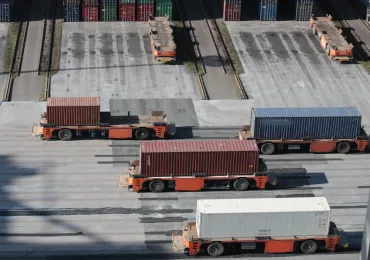
Fast Delivery with Flexible Options
Coverage: Global.
Third-party Quality Report: Provide.
Delivery: Straight from the factory.
Shipping Options: CFR, FOB, CIF and more methods.
Free Sample: DHL or FedEx.
Period: 7-14 days. Specific times vary on your port location.
Cellulose Wood Fiber Packaging and Sizes

Non-toxic.
Keep cool and dry, and avoid direct sunlight or sources of ignition.
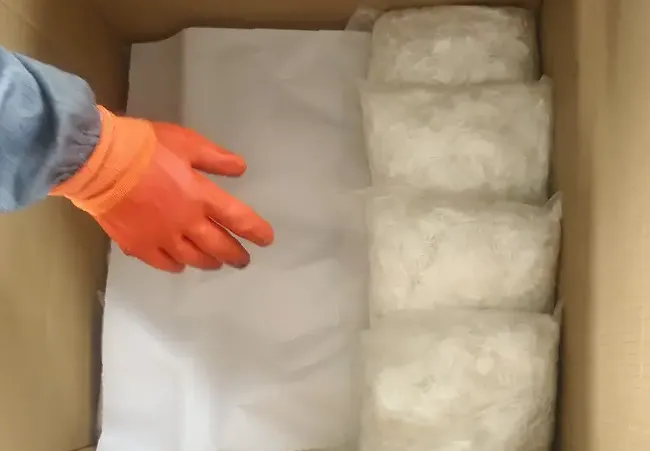
Support appearance customization. Professional team can provide design solutions.
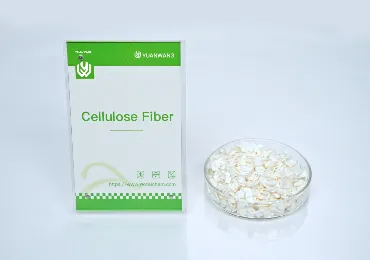
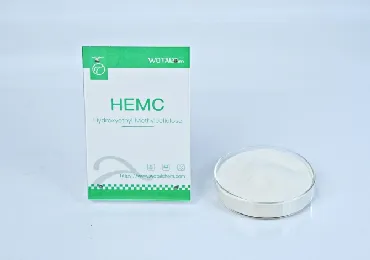
Other Construction Additives You May Like

FAQ
Have any questions for us? We have answers, most of the time.
Wood cellulose is made from the cell walls of wood. It primarily consists of cellulose. It is a natural polymer composed of glucose units. The cellulose fiber manufacturing process involves extracting and refining these fibers from various types of wood. That includes pine, spruce, or eucalyptus.
Here is the main process:
Screening-> Splitting-> High-Temperature Treatment-> Bleaching-> Neutralization-> Sieving
These processes can make different lengths and thicknesses to suit various applications. Due to treatment temperatures exceeding 250°C, it is a chemically stable substance under normal conditions.
Common woods used to produce wood cellulose fiber include:
▪️Softwoods such as pine and fir
▪️Hardwoods such as eucalyptus, poplar, and birch
The ideal wood types are those that grow quickly, are easy to process, have a high cellulose content, and contain fewer impurities. In addition to commercial timber, forestry waste and low-grade wood materials are also widely used as sustainable raw materials.
 Contact Us