






Stronger, Smarter, Greener Construction Polymers
WOTAIchem manufactures types of polymers in construction, natural polymer, and synthetic polymer fibers. They’re indispensable ingredients in the building and construction sector.
The best-selling product from the natural polymer category is cellulose ether. Designed for your dry mix materials with excellent water retention capacity. Just mix it with water on the spot!
Available products: HPMC, HEMC/MHEC, HEC.
Synthetic polymer fibers are also called concrete reinforcing fibers. They strengthen your concrete mix and improve concrete properties.
Available products: PP fiber, PET/PETE, PAN, and PVA fiber.
Natural Polymer Cellulose
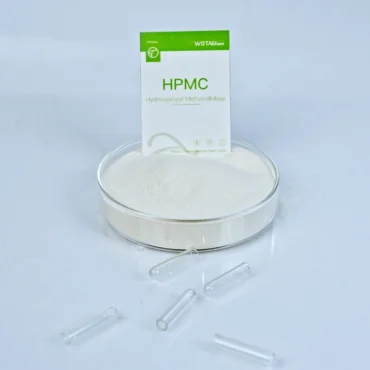
WOTAIchem best selling product No# 1! The viscosity ranges from 500mPa.s. to 75mPa.s. Available in T series (Premium grades) and W series (Standard grades).
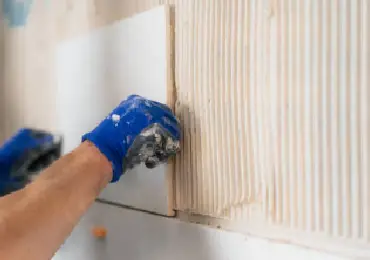
Recommended application: wall putty, tile adhesive, dry mix mortar, self leveling, EIFS/ETICS, daily chemicals.
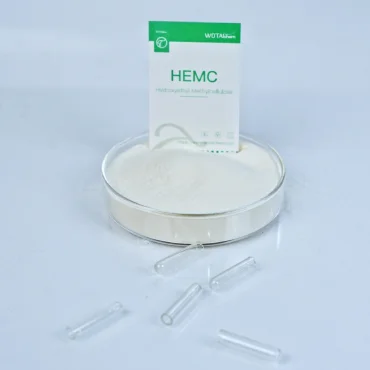
HEMC has excellent water retention with high-temperature resistance. It’s a perfect thickener and film formation agent for the above uses.
Recommended applications: wall putty, tile adhesive, paints and coatings, dry mix mortar, and gypsum plaster.

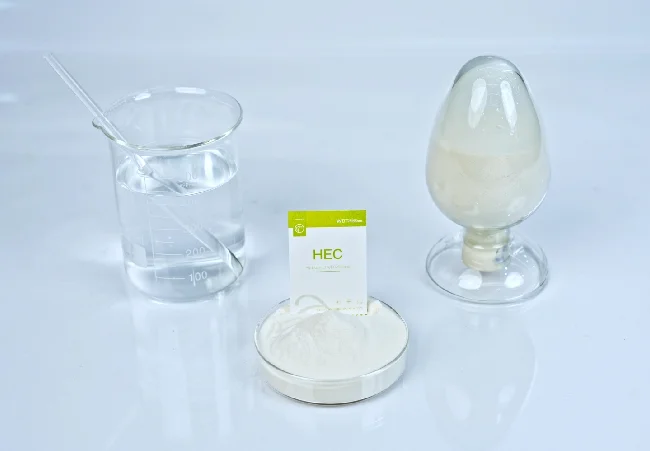
WOTAIchem HEC products have good water retention capacity, with microbial erosion resistance. On top of that, it also has high salt tolerance and PH insensitivity.
Recommended applications: paints, daily chemical, and oil production.
Construction Synthetic Fibers
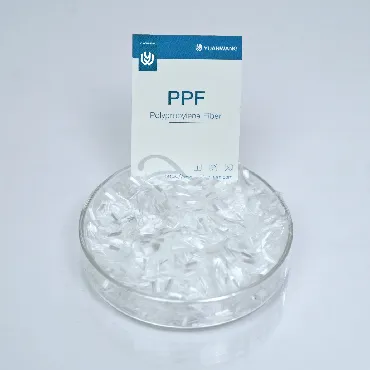
Polypropylene fibers are tiny fibers in concrete to create a network within. It reduces cracking and improves concrete toughness. To include PP fibers in your concrete mix, simply follow the recommended dosage and process. It’s great for all sorts of construction projects that you’re doing!

| Length | 3mm |
| Tensile Strength | 450Mpa |
| Elasticity% | 40 – 100 |
| Wear Resistance | Good |
| Moisture Rate% | 0 – 0.05 |
| Melting Point | 165℃ |

| Length | 6mm |
| Tensile Strength | 450Mpa |
| Elasticity% | 40 – 100 |
| Wear Resistance | Good |
| Moisture Rate% | 0 – 0.05 |
| Melting Point | 165℃ |
| Length | 9mm |
| Tensile Strength | 450Mpa |
| Elasticity% | 40 – 100 |
| Wear Resistance | Good |
| Moisture Rate% | 0 – 0.05 |
| Melting Point | 165℃ |
Other Synthetic Fibers in Construction
Other types of synthetic fibers also have unique properties that bring your productivity up to the next level!
WOTAIchem PET fiber has high tensile strength and a certain resistance to chemicals.
PAN fiber has a significant role in strengthening your concrete. It enhances your durability in all building projects.
PVA fiber adds extra strength through 3D reinforcement. It protects your concrete mixture against erosion and impacts. Ensuring construction work safety.
 PET fiber
Length 3-26mm Breaking Tenacity 7.9g/den Moisture 3.0% Special Gravity 1.38g/cm3 Softens at 464oF Melts at 500oF  PAN Fiber
Diameter 13±1um Titer 1.90±0.2detx Length 4-50mm Density 1.18g/cm3 Color Yellowish Crack Elongation 15%±5%  PVA Fiber
Configuration Monofilament Tensile Strength 240ksi(1600MPa) Flexural Strength 5700ksi(40GPa) Available Length 0.375″(8mm) Melting Point 435°F(225°C) Elongation 6%
Looking for Other Grades?
WOTAIchem products are ISO-certified. We carry out production with Quality, Safety, and Environmental factors in mind. In addition to our regular product options, we can also create special formulas tailored for you. Our R&D team is here to support you with formula analysis and making improvements as needed.
Our products are made just the way you want! To meet your exact specifications, and offer superior performance. They’re created to streamline your process with added workability and efficiency!
Customization Service Scope: product formula and concentrations, packaging and volumes, logos.

Construction Polymers Packaging and Volumes

Available in 25kg/bag, 500kg/pallet, and 1MT/pallet.
Packed in multiple layers of a paper bag with a PE liner.
Customization service: volume, logo, and packaging.
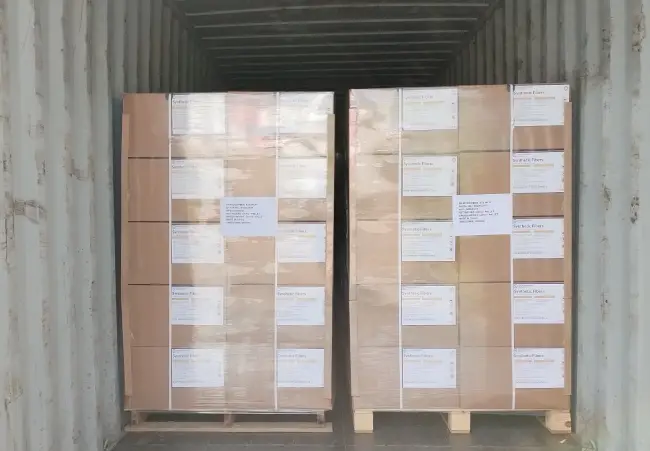
Available in 0.5-1kg/Bag, 25kg/Carton.
Customization service: volume, logo, and packaging.
Suitable for concrete and shotcrete, cement, and mortar.
We Have a Broad Range of Solutions for Your Business




FAQ
Have any questions? We’re here to help you out.
Redispersible Polymer Powder:
– RDP powder is water-soluble additive. It is made from ethylene and vinyl acetate copolymers with polyvinyl alcohol as a protective colloid.
– It forms a flexible and water-resistant film when mixed with water. Offering strong bonding, alkali resistance, and improved mortar properties.
– The film it creates is flexible, water-resistant, and meets national standards.
– RDP powder excels in high bonding strength, waterproofing, and enhancing mortar properties. For example, adhesion, strength, plasticity, wear resistance, and workability.
Resin Powder:
– Resin powder is a modifier containing rubber, resin, polymer particles, and finely ground powder.
– It has average durability and wear resistance. But, its dispersion isn’t ideal, sometimes appearing granular with a pungent odor.
– Some resin powders may corrode surfaces, and their waterproofing is not strong.
– Weather and water resistance are lower than RDP powder, and they may degrade quickly under sunlight or in cavity construction.
– Resin powder lacks flexibility and isn’t suitable for most construction materials. Meeting standards mainly for bonding polystyrene boards.
There are several types of construction polymers. Each comes with its unique properties and applications.
Cellulose Ethers
These include products like HPMC, HEMC/MHEC, and HEC. They are used as thickening agents and water-retaining agents in construction materials.
Polypropylene Fibers
PP synthetic fibers are added to concrete to improve tensile strength. It also reduces cracking and enhances durability.
Polyethylene Terephthalate (PET) Fibers
PET fibers are used for their thermal stability and resistance to chemicals. They reinforce concrete and improve crack resistance.
We often use polymer fibers as they’re durable and, of course, out of the cost-effective reason as well.
Synthetic polymer fibers are easy to use. You only need to add it during concrete mixing. They give your concrete a big boost in strength and endurance. Because of their long-lasting result, you don’t have to change or replace it.
 Stay Connected