


Construction Additives for Repairing Mortar
Repair mortars are created to replace the damaged surfaces with a new coating layer. They repair concrete defects, improve the overall appearance, and increase durability in all structures.
At WOTAIchem, we produce multiple additives for repairing mortars. They serve specific purposes and address various challenges in the repairing process. Check out the most frequently used repair mortar additives in repairing mortar formulations!
Different Types of Mortar Repairs

Brick Mortar Repair
Brick mortar repairing is fixing the mortar joints between bricks in a masonry structure. The mortar between the bricks ages over time, leading to cracks or gaps.
Recommended Products: HPMC WP45000/TP45000, RDP.
Concrete Mortar Repairing
Concrete mortar repair is the process of repairing damaged areas in concrete surfaces. Mortar mix bond with the existing concrete and restore the integrity.
Recommended Products: HPMC WP45000/TP45000, RDP.


Interior Mortar Repairing
Interior mortar repair is necessary for a few reasons, such as wear and tear, damage caused during construction or renovation. The process involves mortar joints in interior walls, floors, or ceilings.
Recommended Products: HPMC WP45000/TP45000, RDP.
Exterior Mortar Repairing
Exterior mortar repair is at first removing the damaged layer, and then replacing it with fresh mortar. It ensures structural stability and maintains visual appeal.
Recommended Products: HPMC WP45000/TP45000, RDP.

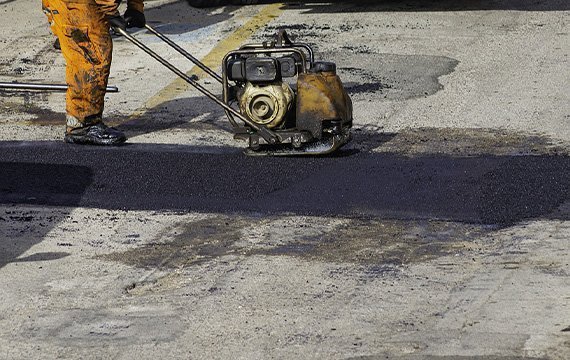
Pavement Repair Mortar
Pavement repair mortar is also called pavement repair mix. It’s widely used to repair damaged pavements. It’s applicable for roads, highways, sidewalks, parking lots, and other paved surfaces. Pavement repairing mortar is specially created to stand against heavy traffic and weather.
Recommended Products: HPMC WP45000/TP45000, RDP, PCE.
Most Frequently Used Repairing Mortar Additives
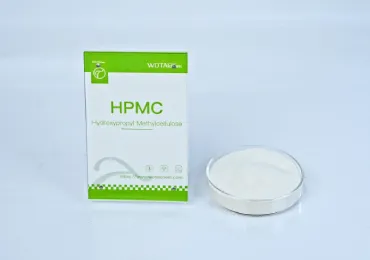 HPMC Cellulose
The repair mortar mix gains excellent water retention. Better adhesion is achieved.
 VAE RDP Powders
VAE RDP powders enhanced durability and crack resistance. Ensuring long-lasting repairs.
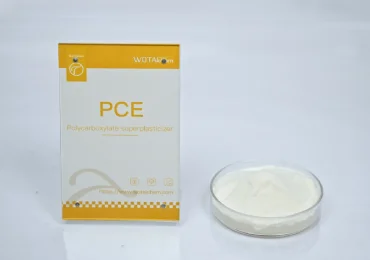 Superplasticizers
High-range water reducers improve mortar fluidity without compromising its strength.
Say goodbye to cracks and embrace long-lasting repairs!
Enhance bond strength, flexibility, and durability. Contact us today to discover the full potential of repairing mortar additives! Take your projects to a new height of excellent results!








Filling mortar cracks start by preparing the right materials and additives.
Clean the areas first. Remove loose debris, dust, or deteriorated mortar using a brush. Ensure the area is free of loose particles.
Prepare the mortar mix. Follow the exact proportion to mix the ingredients accordingly.
Moisten the surface. You may use a spray bottle to moisten the cracks. It improves the bond between the existing mortar and the new one.
Repairing mortar application. Use a trowel, a pointed one preferably. Slowly filling the mortar into the cracks. Make sure the cracks are filled and covered.
Mortar curing. Allow the repaired mortar to cure and set. Cover the repaired surface with a plastic sheet to prevent drying out too quickly.
Patch repair mortars are also known as dry pack repairs. They are regularly used in small-scale repairs. With additional building additives, they can stick to the repairing surface without falling off. And yet they form a creamy texture to be applied easily with a trowel.
First, you must blend one portion of Portland cement with Three parts of sand. But if you’re using a ready-mix mortar material, the dry ingredients are premixed. Add one part of water to 3 or 4 parts of the mix, depending on the types of jobs or repairing areas. Stir until you get a smooth and homogeneous mixture. It usually takes about 5-10 mins.
There are different types of fillers, according to their characteristics. Mortars can be considered a filler because they can effectively fill in the gaps between stones or bricks.
 Contact Us