
 Send Your Inquiry
High Performance Mortar: Key Properties, Applications, and How to Formulate It
High performance mortar is a cement-based composite mortar. It uses high-strength aggregates such as quartz sand, combined with polymer powders, superplasticizers, early-strength agents, defoamers, and other additives.
Unlike ordinary mortar, which may crack, peel, or degrade over time due to moisture and temperature changes, high performance mortar contains reinforcing materials that give it higher strength, better crack resistance, and a longer service life.

What is High Performance Mortar?
High performance mortar is not just a modified mortar — it is designed to meet specific engineering requirements. It has excellent adhesion, compressive strength, workability, flexibility, and adaptability. It can fulfill performance demands for reinforcement, seismic resistance, and waterproofing.
Common applications include:
▪️ Tile adhesive
▪️ External insulation systems (EIFS / ETICS)
▪️ Repair mortar
▪️ Self-leveling mortar
▪️ Waterproofing mortar
Key Performance Indicators of High Performance Mortar
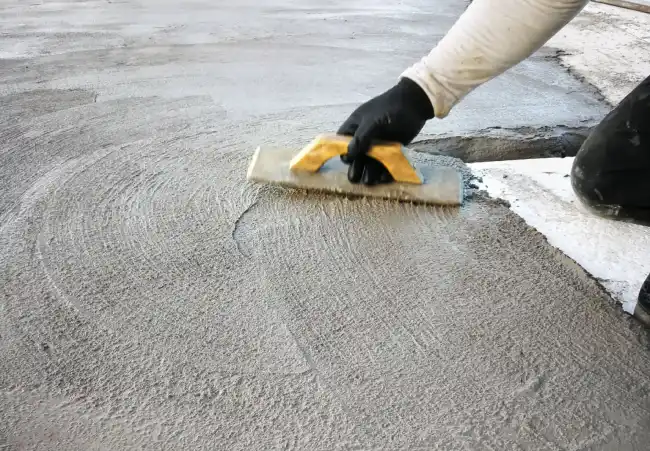
✅ Bond strength: Ordinary mortar: 0.5–1.0 MPa. Optimized high performance mortar (with RDP and cellulose ether) can reach 2–6 MPa.
✅ Compressive strength: Measures load-bearing capacity. Standard grades range from M30–M40. Special mortars, such as epoxy mortar, can exceed 60 MPa — even 100 MPa.
✅ Flexibility & crack resistance: Adding macro synthetic fibers, polypropylene fibers, or polymer emulsion improves flexibility and stops cracks from spreading.
✅ Water resistance & weatherability: Polymer emulsions create a hydrophobic film to block water. Fibers improve UV resistance and durability in harsh environments.
✅ Water retention: Cellulose ethers like HPMC keep water in the mix (≥90%), ensuring smooth application and complete cement hydration.
Types of High Performance Mortar
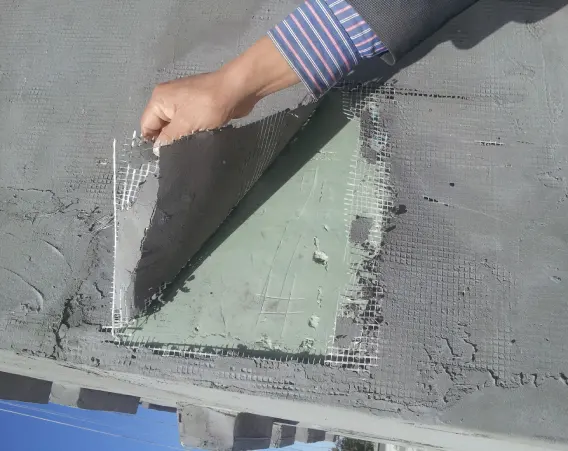
1) Structural reinforcement mortars
Applications: Building repairs, bridge supports, tunnels, hydraulic structures.
Features: High compressive strength, crack resistance, and durability.
Examples: High-strength repair mortar, fiber-reinforced mortar.
2) Functional protective mortars
Applications: Marine structures, bathrooms, basements, chemical plants, fireproof coatings.
Features: Waterproofing, anti-corrosion, fire resistance.
Examples: Waterproof mortar, anti-corrosion mortar, fireproof mortar.
3) Mortars with optimized workability
Applications: Floor leveling, tunnel shotcrete, insulation masonry.
Features: Better water retention, open time, and adaptability to complex conditions.
Examples:
>> Self-leveling mortar — flows and levels automatically.
>> Shotcrete — sets within 10 minutes and reaches 50% strength in 2 hours.
>> Insulation masonry mortar — low thermal conductivity (<0.2 W/(m·K)) with lightweight aggregates.
Formulating High-Strength Cement Repair Mortar (WOTAIchem Recommended Formula)
High strength cement repair mortar typically consists of three key components: binders (cement, lime, etc.), aggregates (fine and coarse fillers), additives (functional modifiers).
WOTAIchem’s research recommends the following optimized formulation ratio for premium performance:
✅ 30% Cement (primary binder)
✅ 65% Aggregates (providing structure and volume)
✅ 5% WOTAIchem Additives (enhancing workability, adhesion, and durability)
WOTAIchem Recommended Formulation (Per kg)
| Material | Specification | Dosage (kg) | Function |
| Cement | P.O 42.5 | 300 | Primary binder, strength development |
| Heavy Calcium Carbonate | 400 mesh | 50 | Filler, improving compactness |
| Washed Sand | 70-140 mesh | 625 | Fine aggregate, enhancing mechanical strength |
| HPMC | WT-HPMC100K | 2 | Superior water retention, workability improvement |
| PP Fiber | WT-PP6mm | 1 | High-efficiency crack resistance, toughening |
| Wood Cellulose Fiber | WT-CF500 | 2 | Optimal anti-sagging, plastic shrinkage reduction |
| RDP (Redispersible Polymer Powder) | WT-RDP5010 | 20 | Enhanced adhesion & flexibility |
| Water | – | 200 L (20%) | Hydration & workability control |
| Defoamer | Powder-based | 0.3 – 0.6 | Eliminates harmful air bubbles, enhances strength & surface smoothness |
Performance Data (WOTAIchem Laboratory Tests)
▪️ Compressive Strength: 45 MPa (7d), 55 MPa (28d)
▪️ Flexural Strength: 8.5 MPa
▪️ Bond Strength: 2.0 MPa (concrete substrate)
▪️ Shrinkage Rate: <0.05% (28d)
(Note: For project-specific optimization, consult WOTAIchem technical team for customized solutions.)
Enhancing Water Retention & Workability (Role of Cellulose Ether)
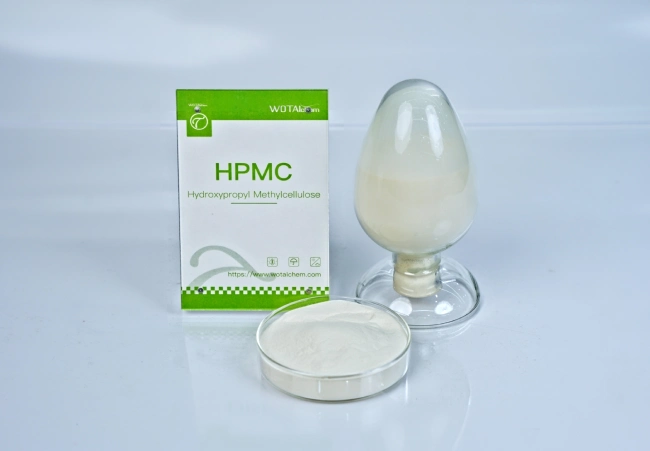
Cellulose ether, particularly HPMC (hydroxypropyl methylcellulose), is essential for controlling water retention in high performance mortar. It ensures that cement particles are fully hydrated, which is critical for developing ultimate bond strength.
By increasing viscosity, cellulose ether prevents sagging on vertical applications and extends open time. Thus, the installers have more flexibility during application.
Moreover, adjusting the grade and dosage of HPMC can optimize mortar stability under hot, dry, or cold conditions, improving workability and consistency on site.
Improving Bond Strength (Role of RDP)
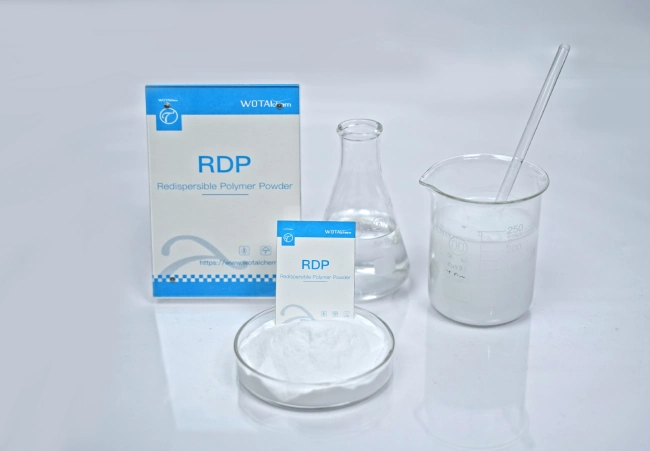
Adding redispersible polymer powder (RDP) significantly enhances both the physical and mechanical properties of fresh mortar. This improvement makes the mortar more suitable for structural reinforcement applications. RDP increases toughness, bond strength, crack resistance, and durability.
A dosage of 0–3% is generally recommended. Excessive amounts may reduce the overall strength of the mortar. According to WOTAIchem’s laboratory tests, a 2% RDP dosage achieves the bond strength required for high-adhesion applications.
Enhance Toughness (Role of Fibers)
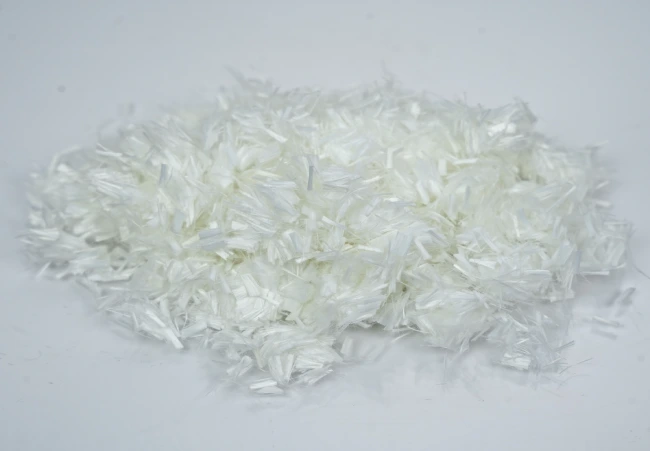
Without fibers, mortar tends to be brittle. Adding fibers improves its toughness and helps control shrinkage cracks after setting. Fibers limit the growth of internal cracks and promote a more ductile failure mode, greatly reducing brittle fracture.
Wood cellulose fibers, with their porous structure, absorb water and slow down the drying process, which reduces plastic shrinkage. High-tensile-strength polypropylene (PP) fibers prevent the spread of microcracks after hardening.
In mortars that require both high crack resistance and good water retention, a combination of fibers can be used—for example, 0.1% PP fibers with 0.2% wood cellulose fibers—to balance workability with long-term durability.
Eliminating Harmful Air Bubbles (Role of Defoamer)

Additives in mortar (such as water reducers, air-entraining agents, and cellulose ethers) can generate unwanted and unstable bubbles. Once the mortar hardens, these bubbles turn into pores inside the material and cause pinholes or rough patches on the surface, reducing both strength and appearance.
For products like tile adhesive, putty, plaster, and self-leveling compounds, defoamers are essential. These materials require high final strength and a smooth surface. In particular, self-leveling compounds demand excellent flowability and flatness. Any harmful bubbles can lead to surface defects and weaken the overall performance.
Conclusion
High performance mortar relies on the right formulation and quality additives.
▪️RDP boosts adhesion, flexibility, and durability.
▪️Cellulose ether improves water retention, workability, and open time.
▪️Fibers enhance toughness and reduce shrinkage and crack
▪️Defoams eliminate harmful bubbles and ensure mechanical strength
Together, they help achieve excellent results in various mortar applications. Our RDP and cellulose ether are suitable for many high-performance mortar formulas. Contact us for formulation support or free samples.

Posted by Isabel leave words
Hi, I've been in this industry for five years. I hope you enjoyed my blog. Welcome to leave a comment down below.
Leave a Reply