
 Send Your Inquiry

Why Choose Polymer Modified Mortar for Projects?
What is polymer modified mortar?
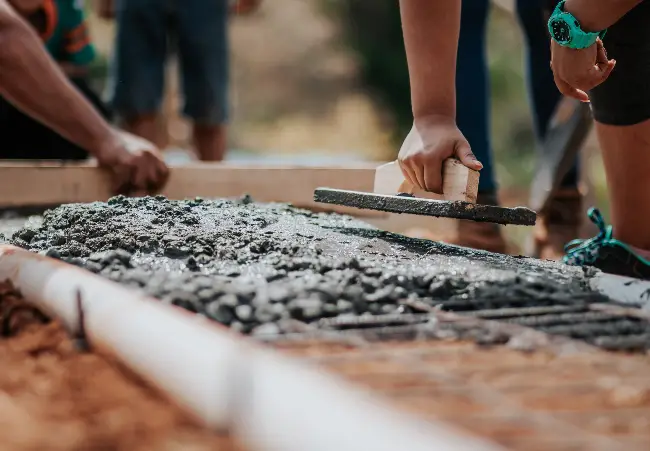
Polymer modified mortar is a composite building material that combines polymers with traditional cement mortar.
Traditional cement mortar is primarily composed of cement, sand, and water mixed in specific proportions. In contrast, polymer modified mortar incorporates additional polymer components into the mix. Common polymers include redispersible polymer powders and polymer emulsions, such as acrylic emulsions and styrene-acrylic emulsions.
These polymers are evenly distributed within the mortar system, working synergistically with cement, sand, and other ingredients to endow the material with enhanced and unique properties.
How to make polymer modified mortar?

Prepare the Materials
Cement: Use Portland cement or ordinary Portland cement, which provide the foundational strength of the mortar.
Polymers: Choose between two common types:
▪️Redispersible Polymer Powder: Convenient as it re-disperses into an emulsion upon mixing with water.
▪️Polymer Emulsion: Examples include acrylic emulsions, which can be directly mixed into the mortar.
Aggregates: Select clean natural sand or manufactured sand. Remove oversized particles and fine silt to ensure proper grain gradation. Medium sand is ideal; coarse sand is harder to apply, while fine sand increases water demand.
Additives: To improve workability, prepare additives such as water-reducing agents and defoamers.
▪️Water-Reducing Agents: Reduce water usage, making the mortar easier to mix and apply.
▪️Defoamers: Eliminate air bubbles formed during mixing, resulting in a denser finish.
How to Mix Polymer Modified Mortar
▪️Dry Mixing (For Redispersible Polymer Powder):
Add cement, sand, and polymer powder sequentially into a clean mixing container.
Use a low-speed mixer to blend for 3–5 minutes, ensuring the dry components are uniformly mixed. This step is critical, as uneven mixing will make it difficult to achieve the desired consistency after adding water.
▪️Wet Mixing (For Polymer Emulsion):
Mix cement and sand first to create a uniform dry mix.
Gradually add the polymer emulsion and a measured amount of water while stirring continuously with a medium-speed mixer for 5–10 minutes.
Continue until a smooth, lump-free mortar with the desired consistency is achieved.
Storage and Usage
Storage:
If the polymer modified mortar is not used immediately, store it in a cool, dry place.
Cover with plastic sheeting to prevent moisture loss and contamination. Properly stored mortar can typically last 1–2 months.
Usage:
Before use, stir the mortar briefly to restore uniformity.
Apply the mortar as per construction requirements, such as plastering, patching, or masonry.
Polymer Modified Mortar vs Unmodified
| Comparison Item | Ordinary Mortar | Polymer Modified Mortar |
| Composition | Primarily consists of cement, sand, and water. Cement acts as the binding material, while sand fills the gaps. | Based on traditional mortar composition with the addition of polymer components, such as redispersible polymer powder or polymer emulsions. |
| Adhesion | Adhesion to base materials is relatively weak, prone to cracking, spalling, and delamination, especially on smooth or dense surfaces like concrete, tiles, or metal. | Enhanced adhesion due to polymer bridging between the mortar and substrate, effectively bonding with dense materials and reducing delamination risk. |
| Flexibility | Limited flexibility, not suitable for accommodating structural movement. Shrinkage due to temperature or humidity changes often leads to cracking. | Possesses excellent flexibility; polymer components form a flexible network that resists cracking. Suitable for use on substrates with minor deformation. |
| Waterproofing | Poor internal waterproofing, easily allowing water penetration. Limited resistance to water seepage over time, leading to durability issues. | Significantly improved waterproofing due to polymer modification, effectively resisting water seepage. Ideal for applications requiring strong waterproof performance. |
| Durability | Vulnerable to chemical erosion, weathering, and freezing/thawing cycles. Long-term exposure to harsh environments can degrade its properties. | Highly resistant to chemical and environmental damage, including acid, alkali, and UV radiation. Maintains stable performance and offers long service life. |
| Workability | Relatively difficult to apply, requiring careful adjustment of water content. Poor leveling and finishing can result in cracks or uneven surfaces. | Improved workability; polymer modification enhances flowability and plasticity, making it easier to spread, coat, and achieve a smooth finish. |
| Applications | Suitable for low-demand environments with stable conditions, such as basic construction work or minor repairs. | Widely used in building repairs, renovations, decorative finishes, waterproofing projects, road and bridge construction, and other demanding scenarios. |
What is polymer modified mortar used for?
Polymer Modified Repair Mortar
Building Structure Repair
In various buildings, concrete beams, columns, and walls often develop cracks and holes due to aging and external impacts. polymer modified repair mortar offers excellent adhesion, bonding securely with existing substrates such as concrete and masonry to fill damaged areas. The inclusion of polymers imparts flexibility, allowing the material to absorb stresses caused by temperature fluctuations or structural settlement. This helps prevent repaired areas from cracking again, ensuring structural stability and extending the building’s lifespan.
Industrial Facility Maintenance
For industrial settings, such as equipment foundations or storage tank bases that endure constant vibration and material impact, damage can occur over time. polymer modified repair mortar provides a quick and targeted repair solution, restoring functionality while minimizing downtime. This reduces operational disruptions and maintenance costs, ensuring efficient facility operation.
Polymer Modified Thinset Mortar
Indoor Fine Decoration
For indoor wall renovations and decorative projects, polymer modified thinset mortar is highly effective. Its excellent workability and rheology allow for the application of ultra-thin, smooth, and even layers. This provides a refined and uniform base for subsequent decoration steps, such as wallpaper installation or artistic paint finishes, enhancing the overall decorative effect. Additionally, the reduced material thickness saves interior space.
Cultural Heritage Preservation
In restoring and protecting ancient buildings or artifacts, polymer modified thinset mortar is ideal. It gently covers and repairs minor flaws without compromising the original appearance. The mortar adheres well to delicate surfaces like brittle masonry or murals, avoiding secondary damage from heavier materials.
Polymer Modified Concrete Repair Mortar
Road and Bridge Repairs
Potholes in road surfaces or spalling in concrete bridge components can significantly disrupt traffic. Polymer modified concrete repair mortar can be quickly prepared and applied, achieving rapid early strength to meet traffic and load-bearing requirements within a short time. Its durability and weather resistance ensure long-lasting repairs, withstanding vehicle loads and environmental erosion.
Water Conservancy Infrastructure Repairs
Structures like dams and canals face constant water flow and pressure, which can damage concrete surfaces. This repair mortar not only restores damaged areas but also offers excellent waterproof and anti-seepage properties, preventing further water infiltration and ensuring the safe operation of water conservancy facilities.
Polymer Modified Adhered Veneer Mortar
Exterior Wall Upgrades
For adhering exterior finishes such as tiles, stone, and aluminum panels, polymer modified veneer mortar provides a strong bond resistant to wind, rain, and temperature changes. It prevents delamination and preserves the aesthetic appeal of the building facade. Even in coastal areas prone to typhoons or regions with large temperature fluctuations, it ensures the decorative layer remains secure for years.
Indoor Kitchens and Bathrooms
Kitchens and bathrooms often feature tiled walls, exposed to moisture and grease. polymer modified veneer mortar ensures long-term tile adhesion, offering water resistance and mold prevention. This simplifies daily cleaning and maintenance, keeping these spaces clean and visually appealing.

Posted by Isabel leave words
Hi, I've been in this industry for five years. I hope you enjoyed my blog. Welcome to leave a comment down below.
Leave a Reply