
 Send Your Inquiry
Water-Based or Oil-Based Defoamers? How to Choose the Right One
There are many types of defoamers on the market, but not every one is suitable for your system. When choosing a defoamer, you need to consider several factors, such as its compatibility with the foaming system, pH level, and operating temperature.
Based on composition and properties, defoamers are generally divided into two categories: water-based and oil-based. Water based defoamers are designed for water systems such as waterborne coatings, while oil-based defoamers are better suited for oil systems like paints. To learn more about our defoamers and explore the detailed specifications, head over to our product homepage – Water Based Defoamer Manufacturer.
If you add an oil-based defoamer into a water system by mistake, it will float on the surface instead of dispersing into the liquid. As a result, it cannot effectively break the foam, and may even cause issues like product layering or contamination (for example, oil spots on waterborne coatings). That’s why choosing the right type of defoamer for your system is key to smooth production and consistent product quality.

Water-based vs. Oil-based
Water-based defoamers use water as the main carrier, usually accounting for 70–90%. They contain active oil components (such as silicone oil or mineral oil), emulsifiers, and small amounts of additives. Through emulsification, these ingredients form an oil-in-water emulsion. They are widely used in water-based systems like coatings, detergents, and papermaking, and also offer a lower-cost advantage.
Oil-based defoamers are made mainly from organic solvents, oils, or waxes (such as silicone oil, mineral oil, or paraffin wax). They do not require emulsification during production. These products are mainly used in oil-based systems, including paints, lubricants, and petrochemical processes.
| Types | Performance/Advantages | Best/Ideal Application Scenario |
| Water based defoamer | It is easy to dilute, disperses quickly, provides good defoaming and foam suppression, and is more environmentally friendly. In solution, it can quickly form a stable emulsion and does not easily cause oil spots or craters on the surface. | It is mainly used in water-based systems such as waterborne coatings, detergents, and papermaking. |
| Oil based defoamer | It has strong and long-lasting defoaming power, with excellent resistance to high temperature, strong acids, and strong alkalis. It also has very high chemical stability. | It is mainly used in oil-based systems, including paints, lubricants, petrochemicals, printing inks, resins, ACE coatings, adhesives, and oilfield applications. |
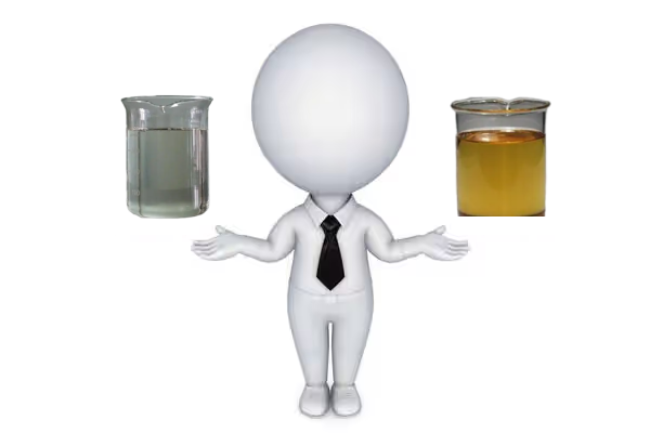
Analyze Your System
Is it a water-based or oil-based system? The key standard is the main solvent or dispersing medium. If it is water, the system is water-based. If it is oil, the system is oil-based. Water-based systems require water-based defoamers. Oil-based systems require oil-based defoamers.
|
Common Water-based Systems
| Daily care / Household products: Laundry detergent, dishwashing liquid, shower gel, shampoo, water-based hand soap, kitchen cleaners (e.g. degreasers), water-based floor cleaners. |
| Coatings / Construction materials: Waterborne emulsion paint (wall paint), water-based wood coatings (furniture paint), water-based waterproof coatings, water-based diatom mud, water-based putty (for wall leveling). | |
| Textile / Papermaking: Water-based dyes for textile printing and dyeing, water-based fabric softeners, pulp in papermaking (water as carrier), water-based paper sizing agents. | |
| Industrial / Others: Water-based cutting fluids (for metalworking cooling), water-based adhesives (such as white glue, woodworking glue), water-based agricultural pesticides (diluted with water before use), concrete admixtures (such as superplasticizers), industrial wastewater | |
|
Common Oil-based Systems | Coatings / Inks: Oil-based anti-rust paint (for metal protection), nitrocellulose paint (traditional furniture paint), automotive clear coat (oil-based), oil-based printing inks (e.g. newspaper and plastic printing inks), oil-based marine anti-corrosion coatings. |
| Industrial / Machinery: Engine oil, lubricating oil, gear oil, hydraulic oil (for machinery lubrication), oil-based cutting oil, bitumen/asphalt (for roads or waterproofing, petroleum-based). | |
| Daily care / Others: Oil-based makeup remover (mineral oil / vegetable oil as base), hair wax / pomade (oil-based), oil-based mold release agents (for plastic / rubber processing, such as silicone release agents), some oil-based fragrances / essential oils (soluble in alcohol or oils, not in water). |
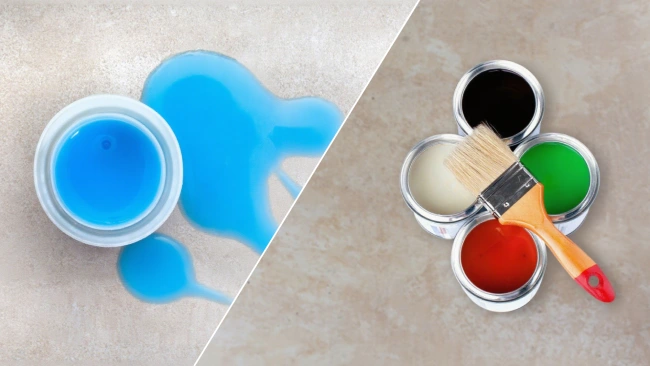
Choose the Right Defoamer
In different applications, choosing the right defoamer is critical. Common types include mineral oil, silicone, polyether, and fatty alcohol. Each type can have water-based or oil-based versions, depending on the formulation and emulsification.
✅ Mineral oil defoamers can be emulsified and modified into water-based mineral oil defoamers. These disperse well in water systems. Traditional oil-based mineral oil defoamers are used in oil systems.
✅ Silicone defoamers are available in water-based (milky emulsions, often used in coatings and inks) and oil-based versions for oil systems.
✅ Polyether defoamers also include water-based and oil-based types. Water-based polyethers act as nonionic surfactants that disperse well in water. Oil-based polyethers do not need emulsification and are suitable for oil systems.
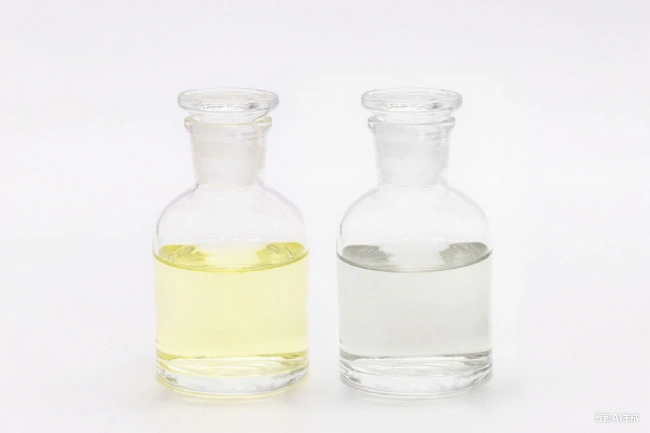
✅ Fatty alcohol defoamers are mostly water-based emulsions. They are usually light yellow viscous liquids and are widely used in water systems.
FAQ
Q1: Can water-based defoamers be used in oil systems?
No. Water-based defoamers contain water, which is not compatible with oil. Even if they include some oil-based active components, their solubility in oil systems is too low. They cannot reduce surface tension effectively and may cause turbidity or gelation.
Q2: Can water-based and oil-based defoamers be mixed for better results?
Yes. Mixing defoamers can combine different strengths for improved performance. Each type (silicone, surfactant, polyether, mineral oil) has unique features. A common practice is to mix silicone defoamers with others. Silicone has very low surface tension, works fast, and lasts long, but it is not heat resistant. Polyether defoamers, for example, can handle high temperature and alkalinity but act more slowly. Mixing them gives better results.
Why Choose Yuanwang?
Yuanwang focuses on water-based defoamers, including mineral oil, polyether, silicone, and fatty alcohol series. Our products use optimized emulsification technology. They disperse quickly in water systems, provide long-lasting foam control, and balance efficiency, eco-friendliness, and cost. From waterborne coatings and papermaking to inks and detergents, Yuanwang defoamers help improve process efficiency and product quality.
👉 Looking for a stable and cost-effective water-based defoamer? Contact the Yuanwang team for the best solution tailored to your process needs.
📩 Contact us now to get free samples and professional technical support.

Posted by Isabel leave words
Hi, I've been in this industry for five years. I hope you enjoyed my blog. Welcome to leave a comment down below.
Leave a Reply