




Antifoam for Wastewater Treatment
The wastewater treatment process will generate a lot of foam. This is due to surfactants in the wastewater and chemical reactions. This foam can affect the efficiency and quality of the treatment. At this time, a defoamer for wastewater treatment is needed to combat it.
A wastewater treatment defoamer is a chemical substance specifically used to remove foam generated during wastewater treatment.
Unlike other general defoamers, Yuanwang’s defoamers have great high-temp, alkali resistance. Such as:
– Silicone-based defoamers
– Fatty alcohol defoamers
– Polyether defoamers
– Mineral oil defoamers
What is the Difference Between Anti-Foam and Defoamer for Wastewater Treatment?
In wastewater treatment, both anti-foam agents and defoamers control foam. They serve slightly different purposes and are applied at various stages.
Anti-Foam Agents:
· Purpose: Anti-foam agents mainly prevent foam from forming.
· Application: Add them to the system before or during foaming.
· Mechanism: Anti-foam agents reduce the liquid’s surface tension. This makes it harder for bubbles to form and stabilize.
Defoamers:
· Purpose: Defoamers are used to eliminate existing foam quickly and efficiently.
· Application: They are usually added to the system after the foam has already formed.
· Mechanism: Defoamers work by breaking down the foam structure. They disrupt the film that holds the bubbles together. This causes the bubbles to collapse.
Although there are differences between the two, they are not entirely independent. In practice, anti-foam agents and defoamers are often used together. This gives the best foam control and prevention.
Yuanwang’s defoamers also have antifoaming properties. They can eliminate existing foam while simultaneously preventing the formation of new foam.
Wastewater Treatment Antifoam

How Do You Get Rid of Foam? - Mechanical Methods
Foam in wastewater treatment can be problematic. It can disrupt the treatment process and cause operational issues.
To better understand the causes of foaming in wastewater treatment and how to deal with it, here are several methods to manage and reduce foam in wastewater treatment systems.
– Skimming: Use mechanical skimmers to remove the foam from the water’s surface.
– Spray Nozzles: Direct spray nozzles at the surface of the water to break up the foam.
– Aeration Adjustment: Reduce the amount of air introduced into the system if excessive aeration is causing foam.
How Do You Get Rid of Foam? - Chemical Methods
– Defoamers: Add defoaming agents to the wastewater. These chemicals work by reducing the surface tension of the foam, causing it to collapse. Yuanwang’s organic silicone defoamer is highly compatible with sewage. It can eliminate foam quickly and provide long-lasting foam suppression.
– Surfactants: Adding small amounts of surfactants can help control foam. They alter the water’s surface properties.
– pH Adjustment: Adjusting the pH of the wastewater can sometimes reduce foam formation. However, do this carefully. It may affect the treatment system’s biological processes.


Benefits of Antifoam & Defoaming Chemical Treatment
In wastewater treatment, defoamers work by adsorbing onto the foam’s surface. They reduce its surface tension, causing the foam to break and dissipate.
Also, Yuanwang™’s water based defoamers can boost the wastewater treatment system’s performance. They prevent foam from clogging or damaging the equipment. This helps improve the efficiency and quality of the treatment process.
Why Choose Yuanwang
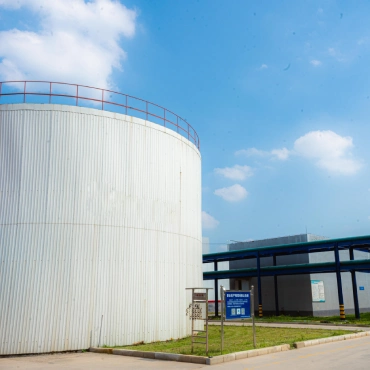
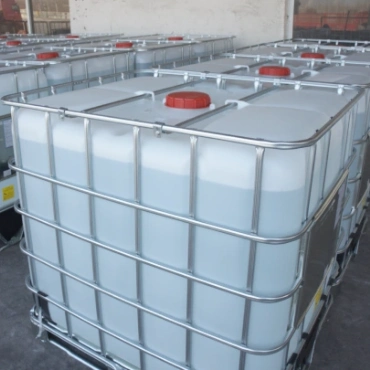
Yuanwang specializes in defoamers, including mineral oil, fatty alcohol, and industrial cleaning types. Years of experience ensure high quality.
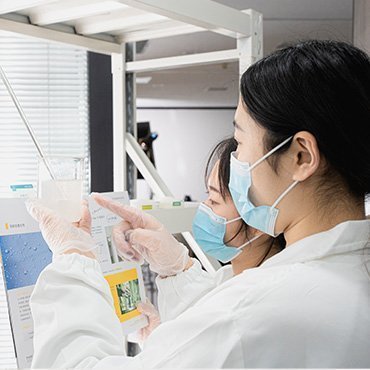
We offer customized defoamer solutions designed to meet the specific needs of various industries, including paper, coatings, and construction materials.
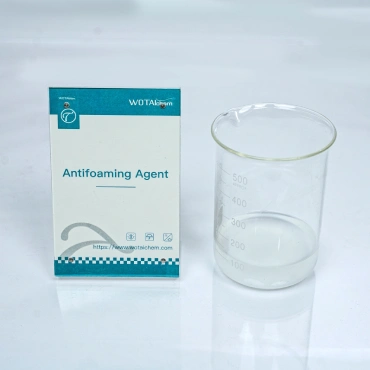
Yuanwang defoamers last a long time. They reduce foam, which boosts efficiency and cuts costs for clients.
 Environmental Commitment
Yuanwang’s eco-friendly, non-toxic defoamers are safe for industrial use.
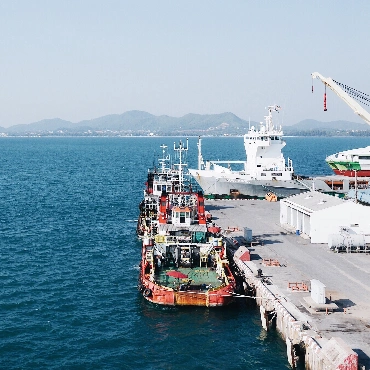 Global Reach
Yuanwang’s exports to Russia, India, and Turkey show a strong global presence and trust in their products.
 Proven Track Record
Yuanwang sells over 20,000 tons of defoamers a year. This shows we can meet diverse client needs.
Features of Yuanwang's Defoamer for Wastewater Treatment

Defoamers eliminate foam. This allows smooth aeration and mixing.

They reduce foam overflow, which can damage equipment. This extends its lifespan.

Defoamers reduce foam, improving the work environment for operators.

Defoamers optimize the treatment process. They cut energy use and chemicals, lowering operational costs.
Wastewater Treatment Antifoam 11 Uses
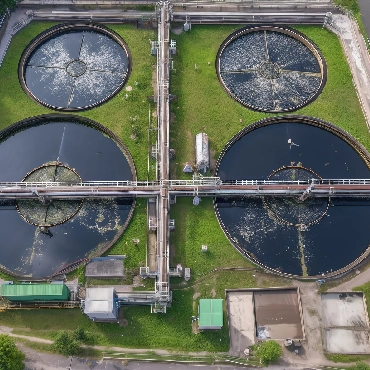 Aeration Basins
Antifoams are essential during aeration as the introduction of air can cause excessive foaming. By controlling foam, antifoams ensure efficient oxygen transfer and proper microbial activity.
 Sludge Digesters
In sludge digesters, foam can lead to operational disruptions. Antifoams help maintain stable digestion by preventing foam formation and improving sludge breakdown efficiency.
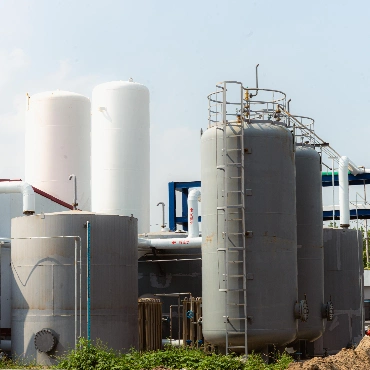 Boiler Water
Boiler systems in wastewater treatment facilities are prone to foam, which can affect heat transfer. Antifoams are used to reduce foam and protect the equipment from corrosion or scaling.
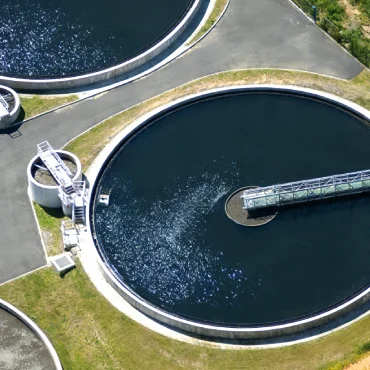 Clarifiers
Foam can interfere with the settling process in clarifiers, leading to poor water quality. Antifoams are used to ensure clear separation of solids and improve the clarity of the treated water.
 Secondary Treatment
During secondary treatment, antifoams prevent the buildup of foam caused by biological processes. This allows for smoother filtration and treatment, reducing downtime.
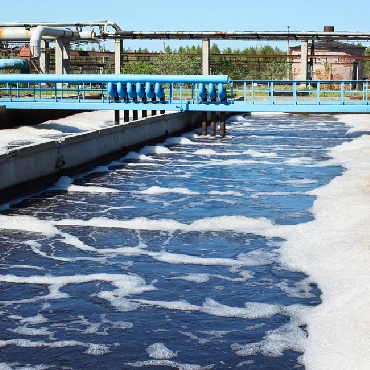 Final Effluent Processing
Excess foam can affect the final water quality before discharge. Antifoams are applied to ensure compliance with water quality standards by controlling foam at this critical stage.
 Landfill Leachate
Leachate management can generate foam due to chemical reactions. Antifoams are used to prevent foam from affecting the leachate treatment and to maintain system efficiency.
 Membrane Systems
Foam can clog and damage sensitive membrane systems, leading to reduced filtration efficiency. Antifoams are used to prevent membrane fouling and prolong the system’s operational life.
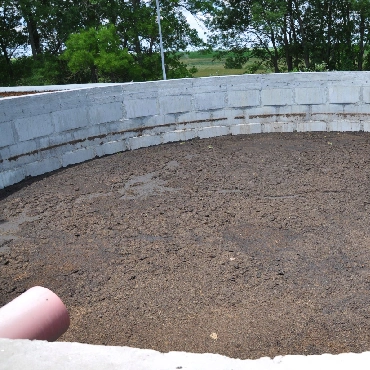 Manure Pits
Microbes can cause foam in manure pits. It reduces storage and complicates handling. Antifoams help reduce foam buildup, improving manure management.
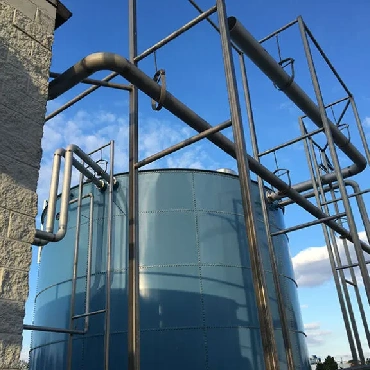 Water Equalization Tanks
Foam in the equalization tanks can disrupt flow and cause issues. Antifoams help stabilize water levels and improve the efficiency of subsequent treatment processes.
 Cooling Towers
Foam in cooling towers can lead to reduced cooling efficiency and equipment damage. Antifoams are used to eliminate foam, ensuring optimal heat transfer and system performance.
Related Products

FAQ
Have any questions? We are always here to help you.
1. Startup phase foam: In the early stages of setting up a wastewater treatment system, biological activity is still stabilizing. This can cause foam to form.
2. Surfactant foam: Surfactants in the wastewater lower surface tension, causing persistent foam.
3. Shock load foam: Sudden changes or surges in the wastewater composition, such as an increase in organic matter, can cause foam to form.
4. Peroxide foam: The use of oxidizing agents like hydrogen peroxide in the treatment process can result in foaming due to chemical reactions.
5. Non-oxidizing biocide foam: In water recirculation systems, non-oxidizing biocides can create foam. They react with contaminants or microorganisms.
 Contact Us