
 Send Your Inquiry
Tile Adhesive Open Time: What It Means & Ways to Extend It
Tile adhesive is a high-performance mix. It is composed mainly of cement, graded aggregates, water-retaining agents like HPMC, and redispersible polymer powders. It only needs to be mixed with water, and it can greatly enhance the bonding strength between tiles and substrates. This makes it an ideal choice for installing wall and floor tiles, both indoors and outdoors.
When it comes to tile adhesive performance, tile adhesive open time is a key factor that often comes up. But what exactly is tile adhesive open time during tile installation? And more importantly — is there a way to extend it?
What Is Open Time for Tile Adhesive?
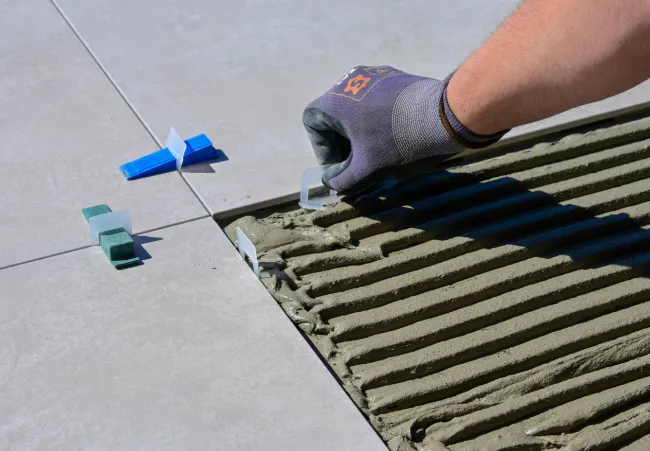
Open time for tile adhesive refers to how long tile adhesive stays workable after it’s applied — in other words, how much time you have to lay the tiles before the adhesive starts drying out and losing its sticking power.
For most standard tile adhesives, the open time is around 20 to 30 minutes. For example, if a tile adhesive has an open time of 20 minutes, it means you should stick the tiles within 20 minutes after spreading the adhesive. If you wait too long — say 30 minutes — the surface may start to dry, and the adhesive may not bond properly. This can lead to weak adhesion, causing tiles to come loose or create hollow spots.
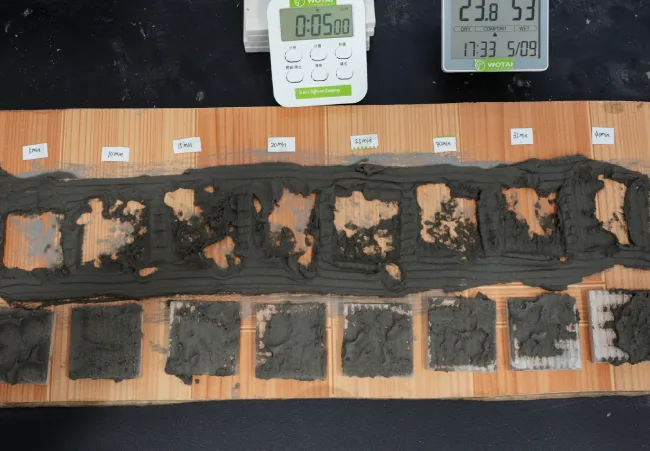
Open time is roughly the same as the time the adhesive stays moist and doesn’t form a skin on the surface. In hot or windy weather, moisture evaporates faster, and the open time becomes shorter. So during summer or in dry conditions, it’s important to work quickly and lay the tiles before the adhesive starts to dry out.
Why is tile adhesive open time important? Because it directly affects both your working efficiency and the final tile bond. During the open time, the adhesive is still tacky and easy to work with, ensuring strong bonding. But once this time is over, the adhesive may dry or start curing, reducing its stickiness. Trying to lay tiles after that can lead to poor adhesion, tile detachment, or hollow spots.
Main Factors That Affect Tile Adhesive Open Time
1. Raw Materials & Formulation
The quality and ratio of tile adhesive ingredients—like binders, redispersible powders, and cellulose ethers (such as HPMC, MHEC)—have a big impact on open time.
For example, low-quality cellulose ether may form a weak surface film that dissolves easily, failing to slow down water evaporation. This weakens bonding strength. On the other hand, if the film is too thick, it becomes hard to break when placing the tile, reducing workability.
HPMC is a common and important cellulose ether used in tile adhesives. It provides early-stage benefits such as water retention, thickening, and improved workability. Redispersible polymer powder (RDP) contributes to later-stage strength, enhancing the project’s durability as well as its resistance to acids and alkalis. Both are contributes to extending the tile adhesive open time.
2. Temperature Conditions
Temperature has a strong effect on open time.
In hot weather, water evaporates faster and the chemical reactions speed up. As a result, the adhesive dries quickly, and the open time becomes shorter.
In cooler temperatures, evaporation slows down, keeping the adhesive workable for longer.
In practical use, weather matters. On hot or windy days, open time may drop significantly. That’s why it’s recommended to apply tiles within 1 hour of mixing, especially in summer, to ensure proper adhesion.
How to Improve Tile Adhesive Open Time?
1. Tile Adhesive Additives: Modified Cellulose Ethers + High-Performance RDP (Suitable for manufacturers)
The easiest and most effective way to extend open time is using high-quality cellulose ether and RDP (Redispersible Polymer Powder).
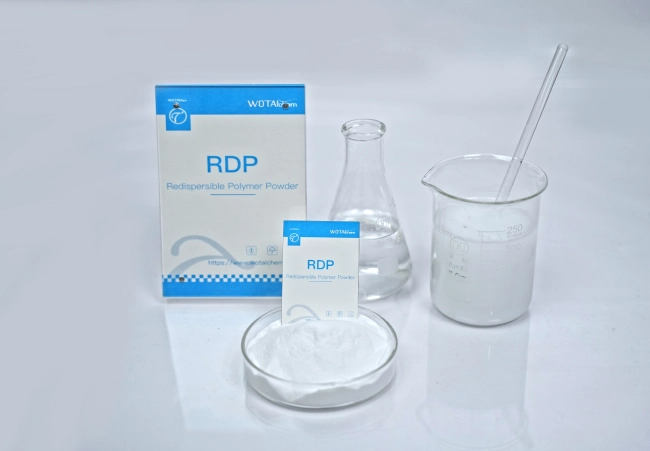
✅ RDP (Redispersible Polymer Powder) latex additive for tile adhesive
RDP helps improve consistency and workability, giving more time to position tiles. It also boosts water retention, flexibility, and bonding strength, especially after drying. The polymer forms a film that absorbs stress from temperature changes and prevents tile detachment.
Recommended product:
WOTAIchem T5045N RDP – specially developed for high-performance tile adhesive. It’s an ideal flexible additive for tile adhesive.
Highlights:
▪️ Eco-friendly RDP for C1 / C2 / C2TE formulations
▪️ Superior bonding for dense tiles like porcelain and marble
▪️ Passes S1/S2 flexibility tests—ideal for underfloor heating or cracked substrates
▪️ Open time >30 minutes – perfect for large-area tiling jobs
▪️ Excellent anti-slip properties for vertical installation
Learn more about RDP for Tile Adhesive: Top 3 Facts You Need to Know!
✅ Cellulose Ether (e.g. HPMC)
Cellulose ether is key to retaining water in tile adhesive. It slows down evaporation and prevents early surface drying, giving more time for adjustments. It also enhances: bond strength, workability ,thickness and flow of the mortar.
During application, HPMC (Hydroxy Propyl Methyl Cellulose) concentrates at the surface, forming a thin film that slows further drying. It also spreads evenly with moisture movement, improving wetting and extending open time.
WOTAIchem HPMC supports various C1/C2 tile adhesive formulations. We offer products with:
▪️ Wide viscosity range: 30,000–270,000 mPa·s
▪️ Low to medium ash content
▪️ Great flowability for C1
▪️ Improved flexibility, anti-slip, and bonding for C2
Available features:
▪️ Fast-dissolving or delayed-dissolving grades
▪️ High water retention
▪️ Excellent workability
▪️ Compatible with different RDPs and fillers
Learn more about HPMC for Tile Adhesive | Superior Bonding for Construction.
Need a custom solution? Contact our tech team for samples and tailored grades.

✅ Modified Starch Ether (Optional)
Modified starch ether is another additive that helps extend open time—sometimes beyond 30 minutes—without compromising bond strength. In fact, it may even improve it.
Summary
To improve tile adhesive open time: RDP strengthens and adds flexibility; Cellulose ether retains water and extends working time; Starch ether offers additional extension options.
By choosing and combining these additives wisely, manufacturers can design tile adhesives that are easier to work with and deliver better, longer-lasting results—especially in demanding construction environments.

2. Adjusting Your Work Based on Temperature (For Installers):
1) Plan Your Workflow Smartly:
Always follow the open time of your tile adhesive when planning your work. In hot weather, tile adhesive dries faster, so it’s better to mix smaller batches each time. Work quickly to finish placing and pressing the tiles before the adhesive loses stickiness.
In cold weather, you can mix larger amounts and take more time to position and adjust tiles since the adhesive stays workable longer.
2) Choose the Right Tile Adhesive:
Not all tile adhesives are the same—some have longer open times than others. When buying, let the seller know your working environment and the temperature on site.
For summer or hot areas, choose tile adhesives with longer open times to avoid the adhesive drying too quickly.
In winter or colder areas, go with products that have shorter open times to keep good stickiness while working.
3) Improve the Working Environment:
In high temperatures, try using fans or air conditioning to lower the temperature and extend open time.
In cold conditions, use heaters to warm up the room so the adhesive performs better.
A comfortable working environment helps you manage the open time better and improves tile bonding.
4) Post-Installation Care is Also Important:
No matter the temperature, good curing after installation is key. In hot weather, keep the surface moist and cool to prevent the adhesive from drying too fast and cracking.
In cold weather, protect the area from freezing to ensure the adhesive sets properly and bonds well.
Valuable Open Time – A Key to Successful Tile Installation
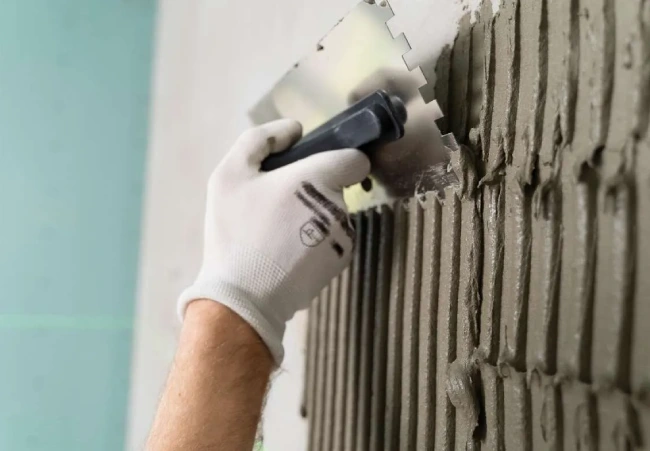
Having a longer open time gives you more flexibility when installing tiles. For example, when tiling a large living room floor, it allows you to carefully adjust tile levels and spacing without rushing. This helps avoid problems like hollow spots or uneven tiles.
Even with complex designs or irregular-shaped tiles, longer open time gives workers more control and time to do the job right—boosting both efficiency and quality of the work.
Explore More:

Posted by Isabel leave words
Hi, I've been in this industry for five years. I hope you enjoyed my blog. Welcome to leave a comment down below.
Leave a Reply