


Yuanwang™ Plaster Fiber - Your Plaster Cracks Terminator
Are you still troubled by repeated cracks in plaster walls? Yuanwang™ plaster fiber is specially designed for various building material such as plaster, gypsum, and cement.
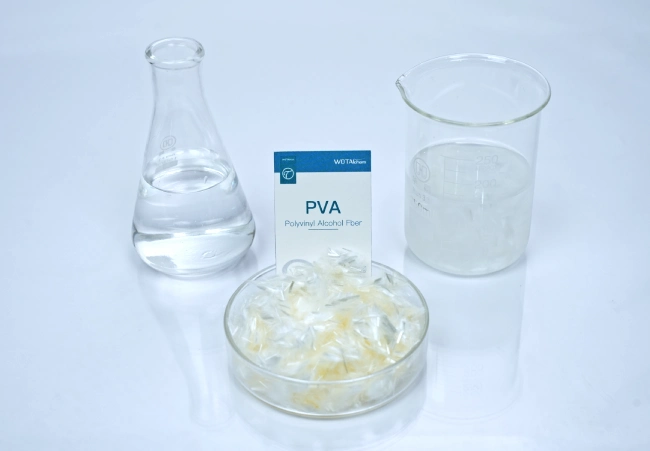
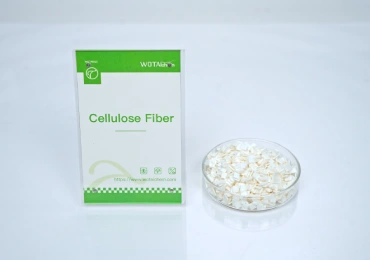
Our plaster fibers have many types – polypropylene fibers, PVA fiber and cellulose fiber, etc. These fibers have good dispersion and high crack resistance in plaster.
They can effectively suppress shrinkage stress, and prevent plaster cracking from the root. Our fiber for plaster can help you to achieve a fine, smooth and durable plaster wall or cast!
Key Advantages of Yuanwang™ Plaster Fiber
✅ 100% virgin material: Ensures our fiber for plaster has outstanding alkali resistance, no corrosion or powdering.
✅ Precise specification control: We offer full-size customization ranging from 3mm to 55mm.
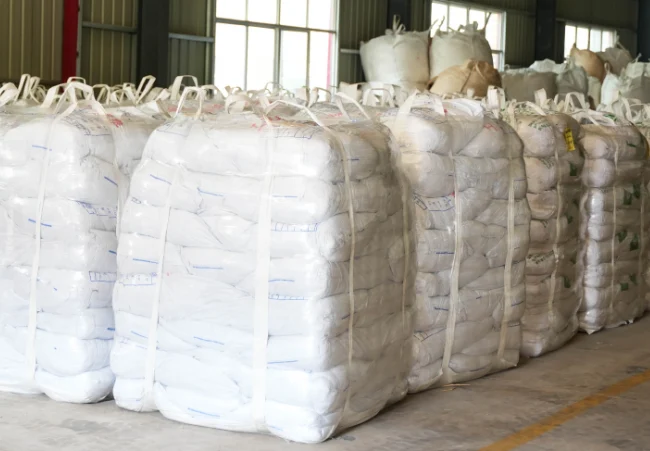
✅ Flexible packaging solutions: Supports 600g/1kg water-soluble bag packaging. You can directly throw it to the mixer without dust contamination.
Find Your Perfect Match - Plaster Fiber Types
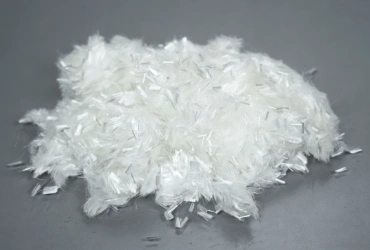
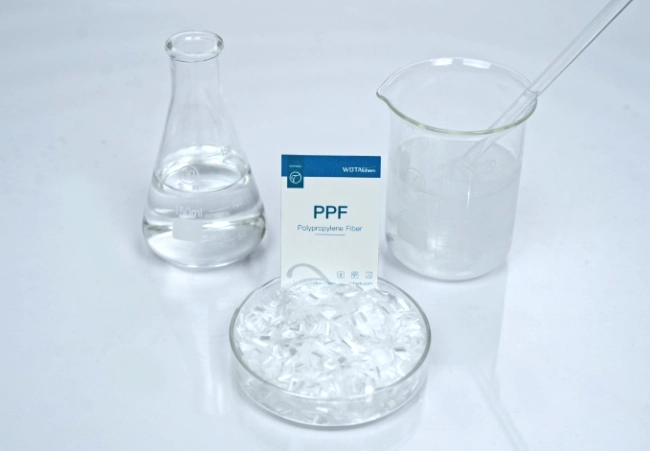
Yuanwang’s best selling plaster fiber. It specializes in preventing hairline cracks in plaster walls.
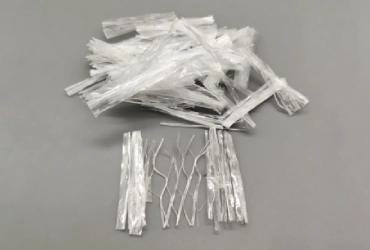
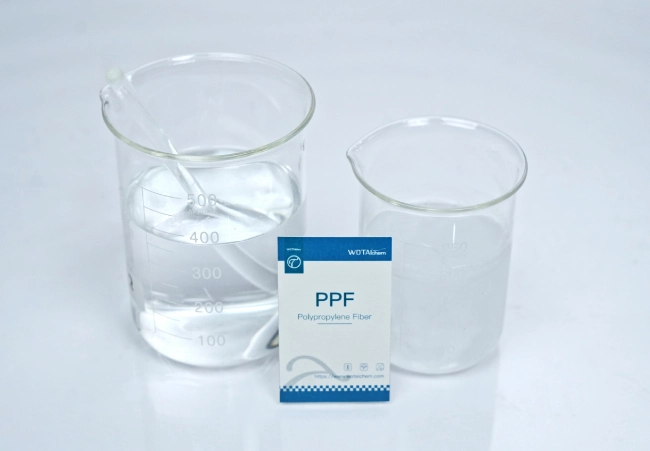
Mesh structure, providing stronger physical bite force. Suitable for thickened plastering layers.
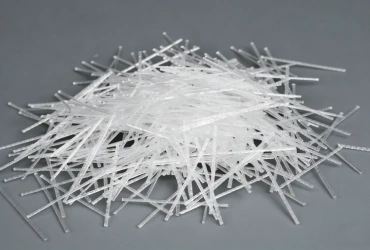
Structurally enhanced. Suitable for heavy-duty plastering and ultra-thick fiber reinforced plaster systems.
Unreinforced vs. Fiber Reinforced Plaster
Cracks on wall plaster usually don’t show up when the plastering layer is just completed. As the material dries and the environment changes, cracks in the plaster wall without fiber will gradually appear.


Why Choose Our Plaster Fiber?
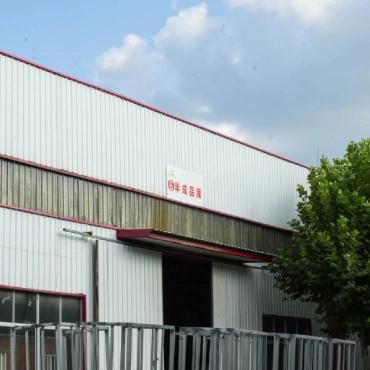 Backed by state-owned enterprise
Yuanwang™ enjoys strong financial support from local government. We offer more competitive payment terms.
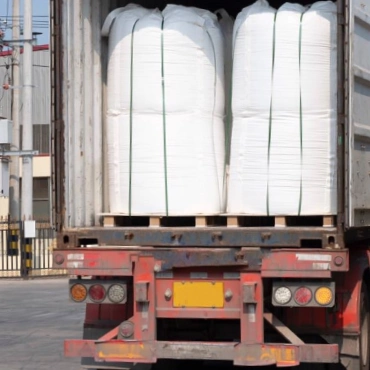 Flexible logistics support
Supports Mixed Loading (mixing multiple fibers). That greatly reduces your initial testing costs and inventory pressure.
 Strict quality control
AI full-process monitoring to ensure that the tensile strength and diameter of each batch meet your specifications.
 Customized packaging capability
Can be customized with labels and water soluble bag specifications according to your site requirements.
Are You Ready to Upgrade Your Building Materials?
Whether you need free samples for testing or small batch trial orders, we’re here to support you. Yuanwang™ plaster fiber brings you performance equal to international brands, but at a more competitive price!
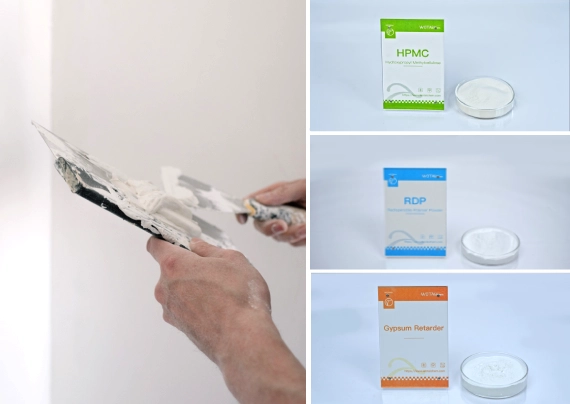
Applications
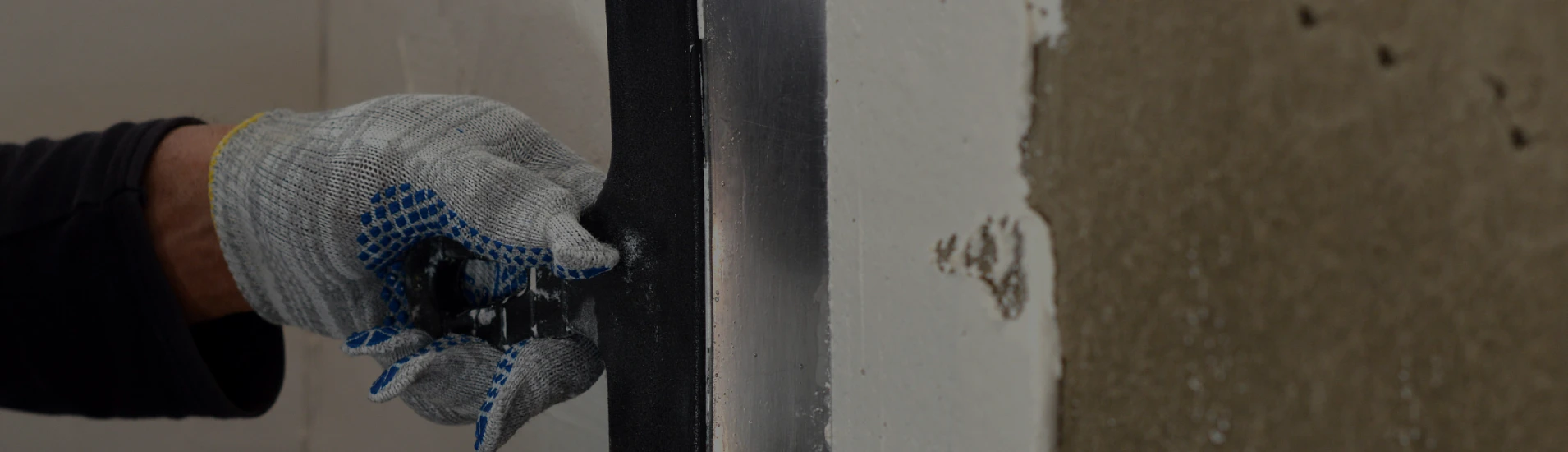
 Wall Plastering
Enhances crack resistance. Prevent small cracks in plaster walls caused by plastic shrinkage.
 Fiber Cast Plaster
Enhances the toughness of plaster lines and reliefs, and reduces mold removal loss.
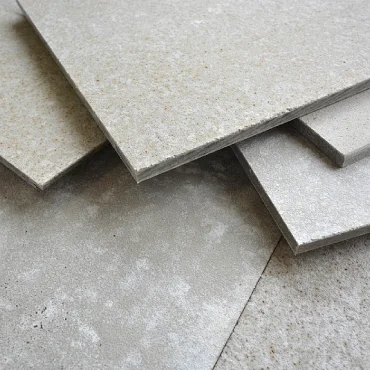 Board Manufacturing
Increases the impact strength of fiber reinforced plasterboard and gypsum board.
 Screeding
Uses special polypropylene fibers for screed to prevent sanding and cracking on the floor.
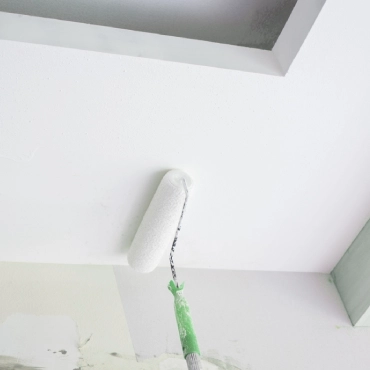 Plaster Ceiling
Prevents the ceiling from cracking and falling off. Makes the ceiling more durable and safer.
Related Products

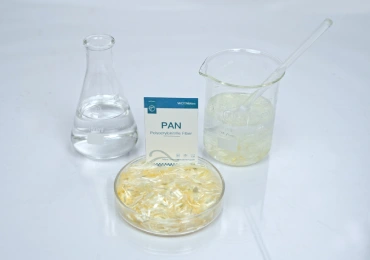
.webp)
FAQ
Have any questions? We are always here to help you.
🔘 Base material: Gypsum Plaster
🔘 Reinforcing material: Fibers. Previously, people used horsehair, while modern choice is polypropylene fiber (PP Fiber)
🔘 Water & Additives: Additives such as Yuanwang™ VAE/RDP, cellulose fiber, superplasticizer, defoamer. etc.
In order to evenly distribute the fibers in the plaster, dry mixing or wet mixing methods are generally used.
1) Dry Mixing Method
First, mix the gypsum powder, slag or other fillers with the fibers (such as PP fibers) in a proportion (typically 5:3:2 by weight). Evenly mix them in a mixer. Gradually add water to mix until it reaches a semi-dry state. Then pour it into the mold or apply it directly as plaster.
2) Wet Mixing Method
▪️Grind the gypsum base material
▪️Add the fibers and additives (such as HPMC) for secondary grinding to a fineness of 300 mesh.
▪️Mix it into a uniform slurry and use it
In addition, Yuanwang™ fiber manufacture suggests that when adding fibers, mix two different types of fibers together. For example, mixing polypropylene mesh fibers and polypropylene monofilaments will provide better crack resistance.
Polypropylene fiber is a kind of synthetic staple fiber. It is mainly used in building materials to enhance crack resistance. It’s common applications are plastering mortar, concrete engineering, insulation and spraying.
Compared with other fibers, its most prominent advantages are strong corrosion resistance and excellent dispersibility.
Yes. Fiber mesh can form a mesh reinforcing structure in cement based plaster and gypsum. It can reduce the risk of cracking. It is especially effective in corners, joints and large-scale plastering.
The fibers in plaster are mainly used to enhance its crack resistance and toughness, prevent micro-cracks, reduce the risk of drying shrinkage, and improve the overall durability of plaster. Common types include polypropylene fibers, glass fibers and cellulose fibers.
If you are looking for high-quality polypropylene fibers for plastering or gypsum, Yuanwang Company is your ideal choice.
To date, our fiber products have been exported to over 20 countries, including Brazil, India, Australia, Canada and Malaysia. Our fibers work like an invisible web woven inside the gypsum. They can tightly lock every inch of the base material and eliminate cracks on the gypsum wall!
Fibrous plaster is not a simple plastering material. It is a finished product or craft by mixing plaster with reinforcing fibers. Fibrous Plaster is mainly used for making fine prefabricated decorative pieces. Common products are:
▪️Cornices
▪️Ceiling Roses
▪️Decorative beam supports, arches and reliefs
▪️Complex interior decoration components
 Contact Us