



Titanium Dioxide Anatase Supplier
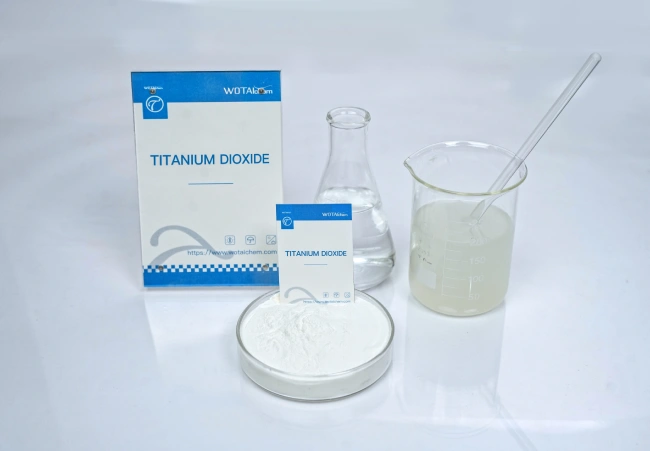
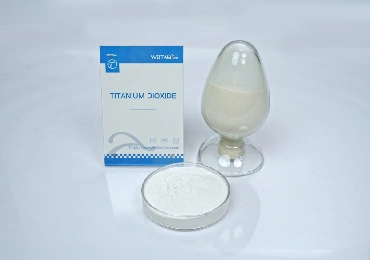
Titanium dioxide in nature occurs primarily in two crystalline forms: rutile and anatase. Titanium dioxide anatase, often referred to as Type A, is a high-demand pigment suitable for various applications.
Yuanwang has extensive experience in titanium dioxide production. We offer over 10 product models, including YW-TiKON 33, YW-R-5566, YWRJHA110, YWR6618-Universal Grade, YWR6600-Papermaking, YWR6668-Ink Grade, and YWR6658-Plastic Grade.
Among these, model YWRJHA110 is our most popular titanium dioxide anatase product, featuring:
· Excellent light-scattering ability
· High covering power and whiteness
· Superior chemical stability, with resistance to reactions under typical conditions
· Strong resistance to light, heat, dilute acids, and dilute alkalis
· Good dispersibility and processability
Titanium Dioxide Anatase Vs Rutile
The main differences between rutile and anatase titanium dioxide are in their:
· Crystal structure
· Physical and chemical properties
· Production process
· Application fields
Titanium Dioxide Anatase :
Titanium dioxide anatase is a versatile form. It has excellent dispersion and high UV reflectivity. This makes it ideal for uses where brightness, whiteness, and smoothness are critical, such as in paper, plastics, and some coatings.
For example, in paints and coatings, add cellulose ethers, RDP powder, and other additives. Also, add titanium dioxide anatase. It will enhance covering power and make colors brighter and more vibrant.
Rutile is the most stable and durable form of titanium dioxide. Rutile is known for its high opacity, UV resistance, and weatherability.
It is often preferred for outdoor uses, like paints, coatings, and plastics, where durability and color retention are vital. Its higher density and refractive index give it stronger covering power. This makes it ideal for long-lasting, high-exposure uses.

Titanium Dioxide Anatase Grade
| TiO2 content | ≥98.5 |
| Oil absorption g/100g | ≤26 |
| PH (aqueous suspension) | 6.5-8.0 |
| Tinting strength | ≥95 |
| Water solubility | ≤0.5 |
| Oil dispersion (Hegman) | ≥6.0 |
| Residue on sieve | ≤0.1 |
| Volatile at 105℃ | ≤0.5 |
Manufacture of Anatase Grade Titanium Dioxide
Detailed Steps of the Chloride Process
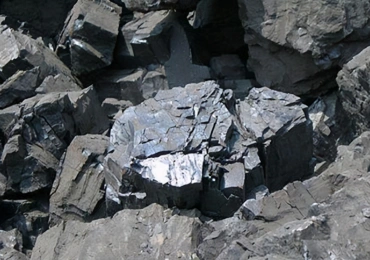
1. Ore Pretreatment: Titanium ore is crushed and ground to refine particle size.
2. Chlorination Reaction: The ground titanium ore is reacted with chlorine gas and carbon at high temperatures in a furnace. This produces titanium tetrachloride (TiCl₄).
3. Titanium Tetrachloride Purification: Distillation removes impurities to obtain pure titanium tetrachloride.
4. Oxidation Reaction: The purified titanium tetrachloride reacts with oxygen at high temperatures. It forms titanium dioxide (TiO₂).
5. Post-Treatment: The titanium dioxide is ground and surface-treated. This achieves the desired particle size and properties.
Detailed Steps of the Sulfate Process
1. Ore Pretreatment: Titanium ore is crushed and ground.
2. Sulfuric Acid Leaching: Mix the ground ore with concentrated sulfuric acid. Heat it to form soluble sodium titanate (TiOSO₄).
3. Leachate Treatment: The titanium-containing leachate is washed and filtered to remove impurities.
4. Precipitation: Ammonia converts titanates into titanium hydroxide. Then, it is filtered and washed.
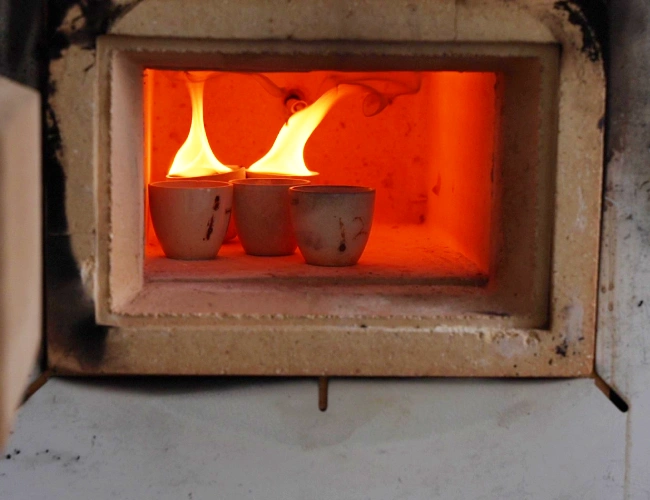
5. Calcination: The titanium hydroxide is roasted in a high-temperature furnace. This transforms it into titanium dioxide.
6. Grinding and Coating Treatment: The titanium dioxide is ground to the required particle size and surface-treated for specific applications.
Full Supply Chain Support



Titanium Dioxide Rutile Uses





Related Products

FAQ
Have any questions? We are always here to help you.
Titanium dioxide anatase is a popular pigment. It has great brightness and light-scattering properties.
Photocatalyst: Anatase titanium dioxide is a highly efficient photocatalyst. Light exposure generates electrons and holes. They react with water and oxygen to produce highly oxidative hydroxyl radicals and superoxide anions. These radicals oxidize and decompose organic pollutants. They mineralize them into carbon dioxide and water. Anatase titanium dioxide is useful in wastewater treatment, air purification, and self-cleaning tech.
Photocatalytic Sterilization: Under UV light, anatase titanium dioxide generates hydroxyl radicals with strong oxidizing power, effectively breaking down the cell structure of bacteria and viruses and inhibiting their growth. It is suitable for surface coatings to prevent microbial growth.
Induced Superhydrophilicity: UV exposure makes surfaces coated with an anatase titanium dioxide film superhydrophilic. This makes them easy to clean and ideal for self-cleaning applications.
Electrode Material in Lithium-Ion Batteries: Anatase titanium dioxide, with its high safety, structural stability, non-toxic nature, and affordability, is used as an electrode material in lithium-ion batteries. Although it has a lower theoretical capacity, its potential for use in battery technology remains promising.
Other Applications: Anatase titanium dioxide is also used in cosmetics as a sunscreen and whitening agent, protecting the skin by blocking and absorbing UV rays. Its excellent chemical and photostability make it suitable for use as a food additive and in pharmaceutical coatings as well.
Whether anatase is better than rutile depends on the application.
Anatase offers higher photocatalytic activity, making it ideal for environmental and energy applications. However, rutile is more stable and has better UV and weather resistance. This makes it better for outdoor use, like exterior paints and coatings, where durability and long-lasting colour are crucial.
In summary, anatase is better for indoor use and photocatalysis. Rutile is better for outdoor durability and UV protection.
 Contact Us