
 Send Your Inquiry
Can You Pour Concrete in the Winter: 13 Tips for Breaking the Ice Barrier
What’s the difference between pouring concrete in cold vs. normal weather? Under normal temperatures, the cement reacts with water (a process called hydration), generating heat and gaining strength. But in winter, freezing temperatures can cause the water in concrete to freeze, preventing the hydration reaction. As a result, the concrete fails to gain strength. But does that mean you have to stop construction in winter? Can you pour concrete in the winter?
Can You Pour Concrete in the Cold?
Yes, it’s possible — with proper preparation and techniques. Whether you’re pouring footings, fence posts, driveways, foundations, slabs, basements, or piers, cold-weather concreting can be done well if you:
1️⃣ Use the right materials
2️⃣ Follow proper procedures
3️⃣ Insulate and cure the concrete correctly
How Cold Can You Pour Concrete in Winter?
How cold is too cold? According to the American Concrete Institute (ACI 306), when temperatures fall below 40°F (4°C), it’s considered “cold weather” for concrete, and special precautions are needed.
Cold slows down the hydration process. For example:
At 70°F (21°C), concrete may set in 6 hours.
At 40°F (4°C), it could take around 12 hours.
What Happens If You Pour Concrete in the Cold?
If precautions aren’t taken, even experienced contractors might face:
Slow or no setting: If water in the mix freezes before setting, strength drops and cracking can occur.
Cracked surfaces: Cold and humidity can cause surface defects, reducing appearance and lifespan.
More accidents: Snow, ice, and cold increase risks for workers and can hide quality issues that only show up in the next Spring.

How to Pour Concrete in the Cold: Best Practices
Before You Pour:
1️⃣ Review the construction drawings to see if they meet winter construction needs. Check for issues like wall stability, wall spacing, and changes from cast-in-place to prefabricated methods. Make sure the structure can safely handle cold weather. These problems should be solved by reviewing the drawings together.
2️⃣ Organize dedicated personnel to prepare the winter concrete construction plan and implementation details. The contents to be prepared include:
>> The construction procedures, methods, and on-site layout;
>> The supply plan for equipment, materials, energy sources, and tools;
>> Safety and fire prevention measures;
>> The temperature measurement system and the quality inspection system, etc.
After the plan is determined, relevant personnel should be organized to study it and conduct technical disclosure.
3️⃣ Before winter construction begins, provide training for key workers, such as those handling concrete cold weather additive, temperature checks, and insulation. They must learn the necessary skills for their specific jobs. Make sure they understand their duties clearly. Only those who pass the assessment can start working.
4️⃣ According to the actual project quantity, organize the entry of relevant machinery, concrete admixtures, and thermal insulation materials in advance, and make good material preparations in advance.
5️⃣ Assign specific staff to measure temperatures accurately. They should record outdoor and worksite temperatures during construction. They must also monitor concrete temperature from pouring until insulation is removed, following all rules.
6️⃣ Check the quality and dosage of the admixtures. After the cold weather concrete additives enter the construction site, sampling inspection should be carried out, and they can only be used after passing the inspection.
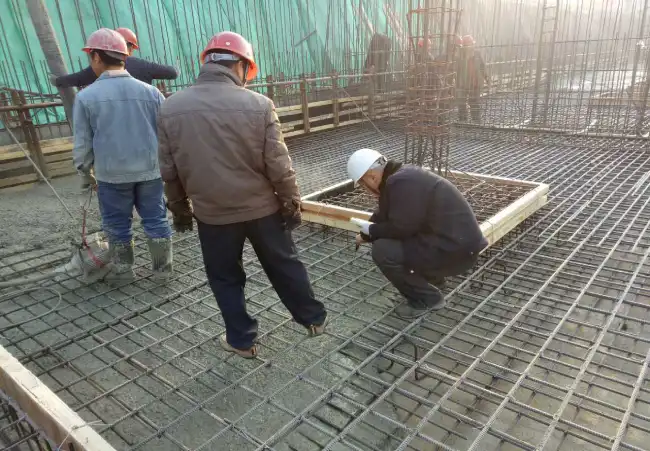
While Pouring:
1. Choose the warmest time of the day for construction.
2. Add appropriate cold weather additives for concrete such as antifreeze agents, and prepare necessary insulation and frost protection measures. If there is ice, snow, or debris at the joint between old and new concrete, clean it up promptly.
3. Check if the concrete has frozen during transportation. If freezing has occurred, reheat or mix with hot water before pouring to ensure the concrete enters the formwork at no less than 59°F (15°C).
4. Supervise the pouring process closely with on-site monitoring and strict control of all procedures.
5. For important structural elements like beams, columns, and slabs, use continuous or multiple-stage pouring. Pour in layers with limited thickness to help internal heat transfer within the concrete.
6. Add antifreeze agents, water-reducing agents, early strength agents, and air-entraining agents. Reduce the water-cement ratio, use high-frequency vibration, and improve compaction to help achieve the desired strength.
7. After pouring, cure the concrete properly and take insulation measures to maintain temperature.
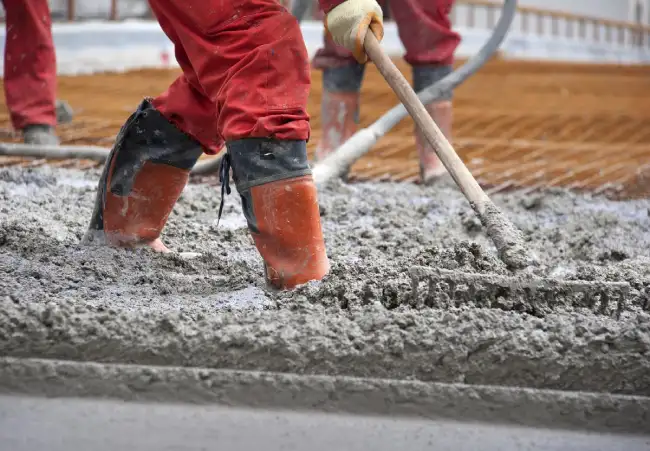
How to Cure Concrete in Cold Weather?
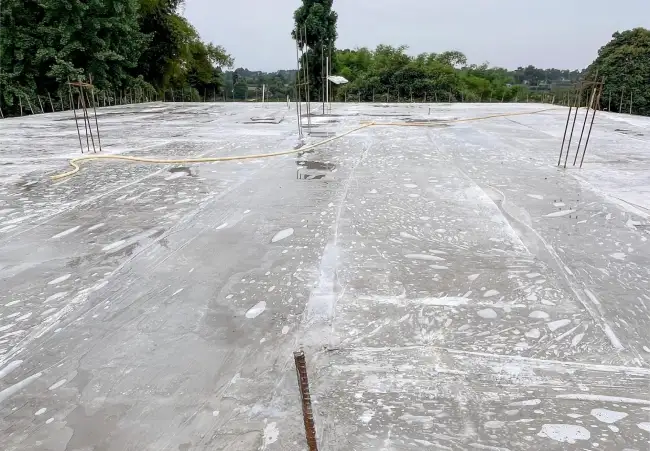
1. Prepare insulation materials in advance, such as plastic sheets, straw mats, or heated blankets. Before use, make sure these materials are completely dry.
2. After pouring the concrete, first cover it with a layer of plastic sheeting, then place straw mats or thermal blankets on top. If the temperature drops below 32°F (0°C), use two or even three layers of insulation to maintain proper heat.
3. Since winter air is dry, should we still water-cure the concrete after pouring?
No. Due to large temperature differences between day and night, and between the interior and exterior of the concrete under the plastic cover, surface water can turn into a thin layer of ice. This actually increases the risk of surface cracking and weakens the concrete.
4. Use the combined heat retention method. Open flames are not recommended. Instead, enclose the work area with tarpaulins to retain heat.
5. Prevent external damage to the concrete. Until the concrete reaches its design strength, avoid foot traffic or equipment operation on the surface to ensure the structural integrity is not compromised.
What to Add to Concrete in Cold Weather?
Choosing the right concrete additives for cold weather ensures that concrete can still set and harden properly at low temperatures.
Antifreeze Admixtures – Ensure proper hydration:
Antifreeze agents lower the freezing point of water, allowing the moisture in the concrete to remain in liquid form even at sub-zero temperatures, enabling the concrete to harden under cold conditions.
Water-Reducing Admixtures – Improve the workability of the mix:
Water-reducing agents help reduce the amount of mixing water needed without changing the concrete’s slump, thus improving its flowability. Common types include regular water reducers, high-range water reducers, and naphthalene-based superplasticizers.
Accelerating Admixtures – Adjust setting time:
Accelerators like calcium formate help speed up the setting and hardening process, which is especially useful in cold weather.
Air-Entraining Admixtures – Enhance durability:
In freezing temperatures, water in the pores of concrete expands as it freezes, creating internal stress and causing cracks. Air-entraining agents introduce tiny, sealed air bubbles that act as buffer zones, allowing the concrete to withstand over 300 freeze-thaw cycles.
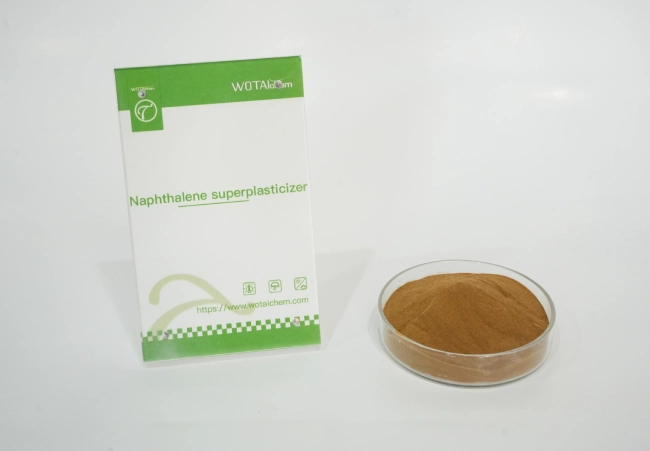
WOTAIchem – Your Cold Weather Concrete Additives Expert
With years of dedicated research and development, WOTAIchem has established itself as a pioneer in the concrete chemical admixture field.
We offer high-quality water-reducing agents. They make concrete easier to work with. At the same time, they help reduce water use.
We also offer high-quality concrete accelerator for cold weather that speed up the setting and hardening of concrete. They are especially useful in cold weather or when fast construction progress is needed. These admixtures help save time, improve early strength, and keep your project on schedule.
Contact us today to find the right solution for your concrete needs and take your project to the next level!
Other contents you may be interested ⬇️:
Will Concrete Cure in Cold Weather?
How Long Does Concrete Take To Cure?

Posted by Isabel leave words
Hi, I've been in this industry for five years. I hope you enjoyed my blog. Welcome to leave a comment down below.
Leave a Reply