
 Send Your Inquiry
Will Concrete Cure in Cold Weather?
When winter arrives, construction projects face a unique challenge—pouring and curing concrete in cold weather. Will concrete cure in cold weather? The answer is yes, but it requires extra planning and proper curing measures compared to normal conditions.
Low temperatures can significantly affect the concrete curing process. Without the right construction techniques and concrete curing methods, the concrete may fail to reach the required strength or even experience structural issues.
This article will explain the challenges of curing concrete in cold weather and provide concrete curing solutions to help you build strong, durable, and visually appealing structures, even in winter.
1. The Concrete Curing Process
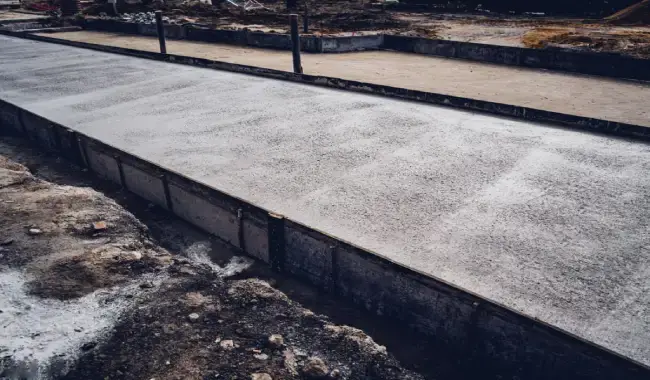
Concrete is a mixture of water, cement, sand, and aggregate. Under normal temperatures, water reacts with cement in a chemical process called hydration, generating heat (heat of hydration). This process lasts for several days until the concrete fully hardens. During this time, the heat produced helps maintain an optimal curing temperature, allowing the concrete to set and gain strength.
However, in winter, low temperatures can cause the water in the concrete to freeze. When water turns to ice, it expands, which can damage the chemical bonds between cement and aggregate. This slows down or even halts the curing process.
The concrete curing process determines the final strength and durability of the concrete. In cold conditions, construction sites must take appropriate measures to control the temperature and moisture levels of the concrete. This helps achieve the optimum setting state and ensures the smooth concrete hardening process. Without adequate curing techniques, issues like cracks and insufficient strength may occur, leading to higher repair costs or even requiring reconstruction.
2. Definition of Cold Weather Concrete by Professional Organizations
To help construction teams better manage low-temperature conditions, many professional concrete organizations have clearly defined “cold weather concrete construction.” Below are the standards provided by guidelines in Canada and the United States.
Canada CSA A23.1:
When the air temperature is ≤ 5 °C, and
When there is a probability that the temperature may fall below 5°C within 24 hours of placing the concrete.
American Concrete Institute definition of cold weather concreting, ACI 306:
A period when for more than three successive days the average daily air temperature drops below 40 ˚F (~ 4.5 °C) , and
Temperature stays below 50 ˚F (10 °C) for more than one-half of any 24 hour period.

3. Curing of Concrete Methods
Many researchers worldwide have conducted extensive experiments on concrete used in winter construction. The results show that if concrete reaches a minimum critical strength before the hydration process of cement stops, it can resist freeze damage without losing its final strength.
To protecting concrete from freezing, it is crucial to keep water in its liquid state for as long as possible. This allows enough time for the hydration reaction to occur, helping the concrete reach its minimum critical strength while also reducing the amount of free water inside.
In real construction projects, there are various methods of curing concrete. Two common approaches to maintaining water in its liquid state are physical curing and chemical curing.
3.1 Physical Curing
Before pouring concrete, the construction site must be heated to ensure the temperature stays within a suitable range (typically above 5°C).
After pouring, insulation measures should be taken immediately to prevent the concrete from getting too cold, which could affect its setting and hardening process.
Common tools and methods of curing concrete in cold weather
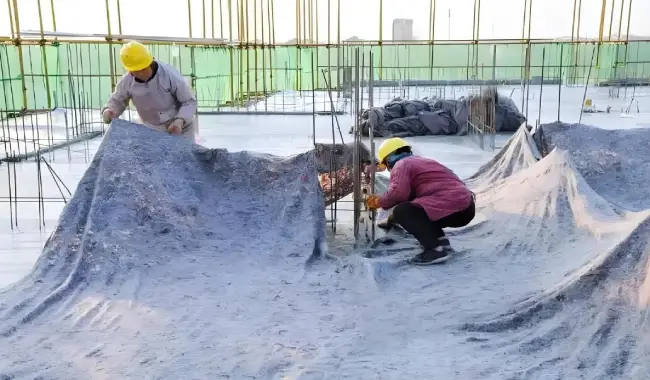
✅ Insulating Blankets: Placed over the concrete surface to trap the heat generated by the hydration process.
✅ Heated Enclosures: Temporary structures with heating equipment to maintain the concrete’s temperature.
✅ Hot Water Circulation System: Pipes installed beneath the concrete to circulate hot water and provide warmth.
✅ Wind Barriers: Placed around the construction site to reduce heat loss caused by cold winds.
3.2 Chemical Curing: Calcium Formate – The Best Admixture in Cold Weather Concreting
Previously, we discussed physical curing methods. However, in addition to improving the physical environment, chemical methods also play a crucial role in curing concrete in cold weather. Chemical admixtures such as antifreeze agents and early-strength additives can significantly enhance cold-weather concreting.
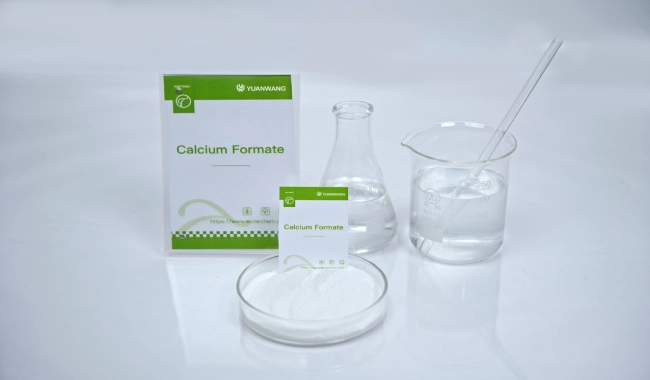
Calcium formate is a commonly used early-strength additive in concrete. It accelerates the hydration process, increases early concrete strength, and improves low-temperature performance. It is particularly beneficial for winter construction, helping to shorten project timelines.It is an ideal concrete additive to prevent freezing.
3.2.1 Important Considerations When Using Concrete Curing Additive
When using calcium formate to concrete, the recommended dosage is 0.5–1.0% per ton of concrete, with a maximum limit of 2.5%. The required amount increases as temperatures drop, but it must be carefully controlled. Overuse can lead to reduced concrete strength or cracking. It is advised to follow professional guidance based on specific construction conditions and concrete mix designs.
If no concrete curing additive are used, greater reliance on physical insulation methods, such as insulating blankets and heated enclosures, is necessary to ensure proper curing in cold weather.
3.2.2 WOTAIchem:Your Trusted Supplier of Calcium Formate
As a professional manufacturer of chemical admixtures used in concrete, WOTAIchem provides high-quality calcium formate with high purity and excellent low-temperature adaptability. We also offer technical support to help optimize concrete mix designs and ensure construction quality. Contact us to learn more about our products and formulation support!
3.3 What Is The Best Way To Cure Concrete?
Combining both physical and chemical methods significantly improves the success rate of concrete curing in cold weather. Whether using heated enclosures or concrete curing additive, the ultimate goal is to maintain an optimal curing temperature to ensure concrete quality and durability.
4. Required Temperature and Curing Period of Concrete as per IS Code 270 and ACI
The American Concrete Institute (ACI) provides detailed guidelines on curing time and temperature requirements for cold weather concreting in its standard ACI 306R-16: Guide to Cold Weather Concreting. Below is a summary of the key points:
4.1 Temperature Requirements
Temperature at Pouring: Freshly poured concrete should be kept above 10°C (50°F).
Temperature During Curing: Until the concrete reaches freeze-resistant strength (typically 3.5 MPa or 500 psi), its temperature should be maintained above 5°C (41°F).
Higher Strength or Special Projects: Some high-strength concrete or specialized construction projects may require higher curing temperatures.
4.2 Concrete Curing Period
As per Clause 13.5.1 of IS 456:2000, The period of curing of concrete depends on:
Curing should be continued for 7 days (with the temperature being maintained above 10-degree Celcius) for Ordinary Portland Cement.
Curing should be continued for 10 days (with a recommendation to extend it to 14 days) where mineral admixtures or blended cement(such as fly-ash mixed) are used or when concrete is exposed to hot weather conditions.
Curing should be continued at least for 14 days for mass concrete work, heavy footings, large piers.
5. Monitoring Concrete Temperature
In cold weather, monitoring the temperature of the concrete is crucial. You can use thermocouples or an infrared thermometer to measure the temperature. The outside temperature should be checked at least four times a day. It’s also important to regularly check the internal temperature of the concrete to ensure it stays within a safe range.
6. How Long Does Concrete Take To Cure In Cold Weather
The curing time of concrete in winter depends on the temperature and construction conditions. Typically, if the temperature is above 5°C (41°F), concrete takes about 28 days to fully cure. In lower temperatures, curing may take longer. The exact curing time also depends on the concrete mix, chemical admixtures used, and the construction methods applied.
7. Precautions To Be Taken In Cold Weather Concreting
- Plan Ahead: Pay attention to weather forecasts and avoid pouring concrete during extreme low temperatures.
- Prepare Insulation Materials and Tools: Use insulating blankets or other insulation materials. You can also use heating equipment, wetting agents, and other tools to warm and insulate the concrete.
- Indirect Heating: When heating the concrete, avoid direct heating. Use indirect heating methods to prevent damaging the surface quality of the concrete.
- Control the Environment: Use wind barriers or heated enclosures to maintain a stable curing environment, avoiding large fluctuations in temperature or humidity.
Curing Time: The curing time depends on the surrounding temperature, but typically takes around 2-3 weeks.
8. Winter Concreting Costs
Winter construction is usually more expensive due to the need for additional materials (like insulating blankets, heating equipment, and accelerators) and labor. However, these costs are often more economical compared to the cost of rework or structural issues caused by failed curing.
9. Making Your Protection Plan Perfect
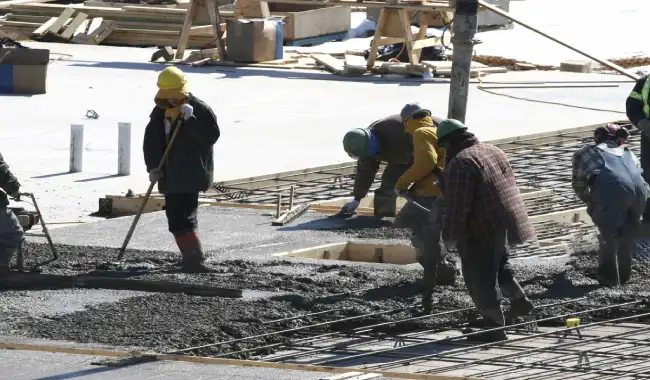
Creating a detailed protection plan is key to ensuring successful winter concreting. This plan should include:
1️⃣ Temperature Control Plan: Determine the insulation, heating measures, or use of chemical admixtures to ensure the concrete cures within the appropriate temperature range.
2️⃣ Post-Completion Curing Plan: Design a proper curing process to ensure the concrete gains sufficient strength and durability after being removed from molds. This prevents quality issues caused by insufficient curing.
3️⃣ Monitoring Plan: Regularly check the temperature and condition of the concrete to ensure it stays within a safe temperature range.
4️⃣ Emergency Plan: Prepare backup plans for sudden weather changes (like cold waves or snowstorms), including extra insulation materials, heating equipment, or adjustments to the construction schedule to handle unforeseen low-temperature challenges.
By perfecting these details, your protection plan will be more comprehensive, ensuring smooth winter concreting and safeguarding the quality and durability of the project.
Conclusion
Curing concrete in cold weather is challenging, but with scientific curing methods and careful monitoring, you can ensure construction quality. By understanding the curing principles, taking proper insulation measures, and closely monitoring temperature changes, you can successfully complete concrete projects in winter. Don’t let low temperatures be an obstacle—use the right methods to keep building!
For more professional advice on concrete and construction, visit our website WOTAIchem or contact our team!

Posted by Isabel leave words
Hi, I've been in this industry for five years. I hope you enjoyed my blog. Welcome to leave a comment down below.
Leave a Reply