



Starch Ether for Dry Mortar
Starch ether, also known as hydroxypropyl starch ether (HPS). It has excellent water retention capacity, thickening properties, and good adhesion characteristics. This additive has become a preferred choice for improving mortar performance.
WOTAIchem is a good source of high-quality HPS powder. We’re here to help you achieve better construction work.
WOTAIchem’s HPS powder is not only for mortar but also for wall putty and adhesives. If you need formula support, our OEM team will be ready to assist you.
Main Benefits of Starch Ether for Mortar
As one of the rheology modifiers, starch ether provides significant benefits to various building materials, especially mortar. It effectively improves the rheological properties. This cementious dry mortar additive can address the issues of flow and sag in building mortar. It can also enhance water retention and prolong the open time of the mortar.
Anti-Sagging
Smooth Application
Easy Trowelling
Labour-saving
Supports Water Retention
How Starch Ether Improves Dry Mortar Performance
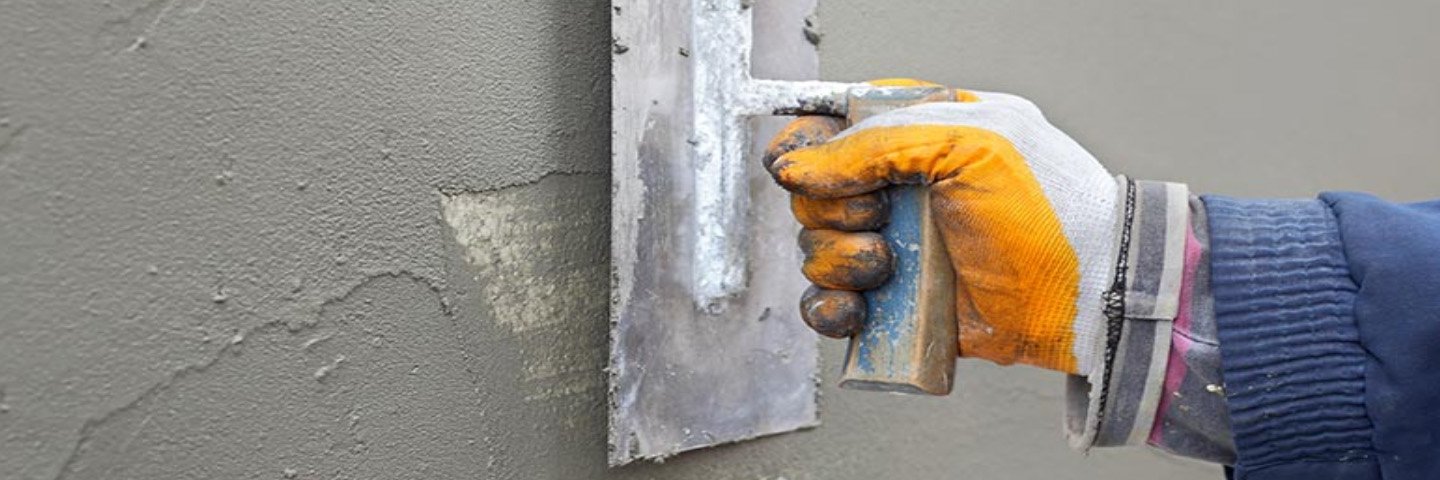
1. Improving slurry sagging: The mortar slurry itself may be relatively thin. After adding HPS, it can be thickened and have good fluidity, achieving no sagging when applied to the wall, improving workability, making it smoother, easier to scrape, less laborious, and enhancing construction efficiency.
2. Delay setting time: HPS can assist cellulose in retaining water, and prolong the setting time of mortar. The mortar will not set too quickly due to high temperature or rapid stirring speed.
3. Optimization of surface effect: mortar is more exquisite and smooth, and tiny cracks can be reduced due to rapid evaporation of water.
The 5 Major Hydroxypropyl Starch Ether Uses

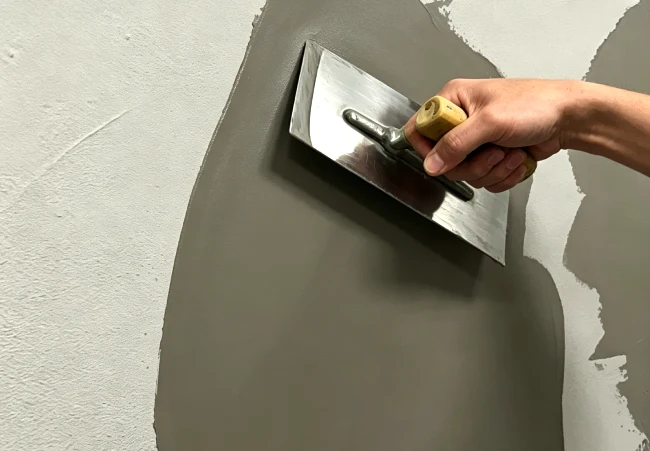
Plaster Mortar
Starch ether acts as a rheology modifier in plastering mortar. It enhances workability, cohesion, and sag resistance.
By incorporating starch ether, the mortar is much easier to spread. It also improves the adhesion to the substrate. Resulting in a smoother and more durable plaster finish.
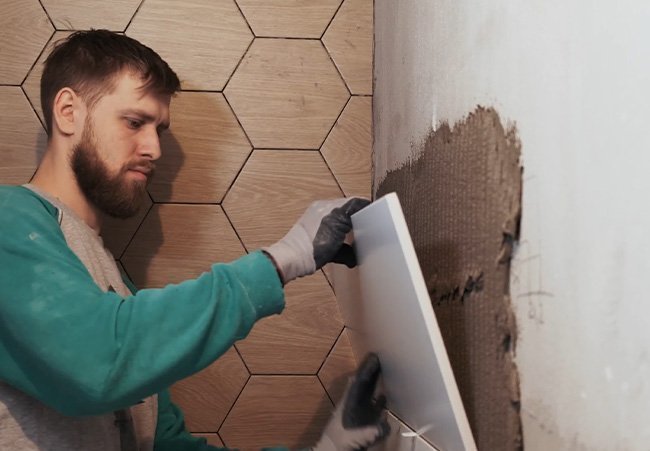
Tile Adhesive and Tile Bonding Mortar
Starch ether is added to enhance the tile adhesive’s anti-sagging properties. It maintains a uniform thickness and does not sag or drip during application.
The addition of starch ether makes the mortar easier to work with. Achieves smoother and more precise coating application.

Drymix Mortar
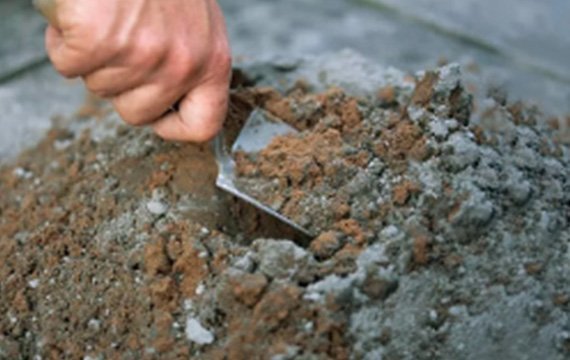
Starch ether finds extensive use in dry-mix mortar formulations as a water retention agent and rheology modifier. It reduces water loss during the curing process. Ensuring proper hydration of the cement and improved bond strength.
The presence of starch ether in drymix mortar also enhances its resistance to cracking.
Masonry Mortars
Starch ether is added to masonry mortar to improve workability. It acts as a thickener and water retention agent. It helps the mortar achieve consistency and reduce sagging.
Using starch ether in masonry mortars makes them easier to work with. Enhancing the overall strength.


Thermal Insulation Mortar
Starch ether is used in thermal insulation mortar to enhance adhesion and workability.
They make mortar achieve excellent adhesion to insulation materials, ensuring a reliable bond and efficient heat insulation properties.
WOTAIchem™ Recommend Hydroxypropyl Starch Ethers for Mortar
 WTS301
Appearance White powder Solubility In cold water Ash content ≤10% Viscosity 200-1500mPa.s pH 8-12 It performs exceptionally well and is comparable to the effect of the Avebe 301. It has a good anti-sagging effect at 10mm, smooth and easy to scrape. - WT40F
Appearance White powder Solubility In cold water Ash content ≤10% Viscosity 3000-6000mPa.s pH 8-12 It performs well and is comparable to first-line brands and other imported brands. It is resistant to sagging, and does not stick to the knife. - WT35F
Appearance White powder Solubility In cold water Ash content ≤10% Viscosity 2000-4000mPa.s pH 9-12 Suitable for scenarios with high quality requirements. This type is our company’s star product for dry mortar.
Drymix Mortar Products List

Connect with Us
Contact WOTAIchem now to unlock the full potential of our starch ether for mortar and discover unmatched excellence in construction additives!





Other Related Products

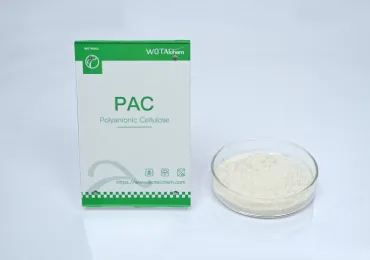
Certainly! Starch ether is a water-soluble derivative obtained by chemical modification of starch, and is compatible with other dry mortar additives. It can be easily combined with other additives, such as air entrainers or superplasticizers to achieve the desired properties in mortar.
Additionally, the incorporation of starch ether allows for a reduction in the dosage of cellulose ethers by approximately 0.05% – 0.1%.
Dry mix mortar is suitable for more delicate projects such as grouting, tile repair, reinforcing or repairing concrete.
Yes! As an additive to mortar, concrete and cement, it shows good compatibility with various cement types, including Portland cement, blended cement, and specialty cement formulations.
 Contact Us