
 Send Your Inquiry
How to Use Water Reducers, Retarders, and Superplasticizers in Concrete
Water reducers, retarders, and superplasticizers are essential types of concrete admixtures. Today, they are widely regarded as the fifth key ingredient in concrete, alongside cement, aggregates, supplementary materials, and water.
According to ASTM C494, these admixtures are classified by their functions:
Type A – Water Reducers: Reduce the amount of mixing water, improve concrete workability, and increase the final strength of concrete.
Type B – Retarders: Delay the setting time of concrete. They are ideal for hot weather concreting or when concrete needs to be transported over long distances.
Type F – High-Range Water Reducers (Superplasticizers): Provide superior dispersion, greatly improve concrete flowability and strength, and typically have minimal effect on setting time.
Proper use of these admixtures is crucial. Choosing the right type and dosage ensures optimal concrete performance and meets different project needs.
Water Reducers (WRA)
As specified in ASTM C494, water reducers can improve slump and ensure concrete meets workability requirements. Common types include lignosulfonate-based water reducers. These are suitable for general concrete projects, helping to improve workability and save water. They are cost-effective and practical.
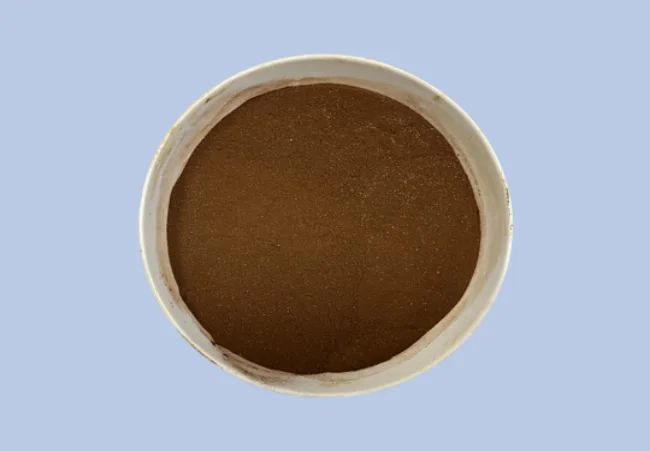
Superplasticizers
Type F and Type G admixtures in ASTM C494 are superplasticizers, also named high-range water reducers. Their mechanism differs from standard water reducers and requires testing (e.g., Marsh cone test) to determine the correct dosage. Common types include naphthalene-based and polycarboxylate-based superplasticizers.
These admixtures meet modern concrete requirements for workability, strength, durability, and efficiency.
– Regular water reducers (like lignosulfonates) typically reduce water by 5–10%, improving workability slightly but not enough for high-flow applications like pumped or self-consolidating concrete.
– High-range water reducers can reduce water by 15–30% or more. They significantly increase slump at the same cement content, turning low-flow concrete into a highly fluid mix. This enables long-distance pumping and easy placement in dense reinforcement, especially for high-rise buildings and bridges.

Superplasticizer vs Water Reducer
| Admixture Type | Main Functions and Features | Applicable Scenarios and Impact |
| Water Reducer | – Significantly reduces mixing water demand, improves flowability and workability – Enhances concrete placement and work performance – Increases strength and durability by reducing water-cement ratio | – General concrete construction – Projects requiring improved workability |
| Superplasticizer | – Strong dispersing effect on cement particles, greatly reduces water demand – Significantly increases slump and flowability – Greatly enhances concrete strength and durability – Usually does not delay setting; may slightly retard setting when overdosed | – High-strength and high-performance concrete – Projects requiring improved flowability and strength |
Why Use Water Reducers and Superplasticizers in Concrete?
1. They disperse cement particles, breaking up flocs and releasing trapped water. This reduces the water requirement while maintaining workability, leading to higher strength and durability.
2. They reduce cement usage without changing the core mix. For example, adding 0.2–0.5% water reducer can cut cement demand by 15–30%. Concrete becomes easier to place and can be pumped or flowed into formwork, improving construction speed.

Retarders
ASTM C494 classifies retarders into:
– Type B: Retarding
– Type D: Water-reducing and retarding
Main Features:
– Slow down cement hydration
– Extend setting time and keep the mix workable longer
– Reduce thermal cracking in large pours
Applications:
– Hot weather concreting
– Mass concrete pours
– Long-distance transport

Why Use Retarders in Concrete?
In hot conditions, concrete can set too quickly. If hydration happens too fast, concrete loses workability, making transport and placement difficult. Retarders slow the reaction, keeping the concrete workable throughout the required time.
Typical retarders can delay setting by 1–4 hours, which might not be enough for hot climates or mass pours. Advanced retarders developed for 35°C conditions can extend setting time to 6–8 hours, making them suitable for demanding projects like the Three Gorges Dam.
Water-Reducing and Retarding Admixtures – A Powerful Combo
Water reducers increase fluidity but may cause slump loss over time. Retarders slow down hydration and keep the mix workable longer.
When used together, they ensure high flow and extended working time. Tests on cement pastes confirm that combining superplasticizers with retarders effectively reduces slump loss and improves overall compatibility.
Best Practices for Using These Admixtures
1. Choose the Right Type and Dosage
– Match the admixture type to project requirements, weather conditions, and mix design.
– Follow the manufacturer’s guidelines. Dosage is usually a percentage of the binder content and may need adjustment based on temperature, transport time, or strength needs.
2. Conduct Compatibility Tests
– Always test new admixtures with your cement and materials before use. Check flowability, strength, setting time, and water reduction.
– If using multiple admixtures, test their compatibility to avoid performance issues.
3. Correct Addition and Mixing
– The timing and method of adding admixtures matter. Options include pre-mix, post-mix, or delayed addition. For example, naphthalene-based superplasticizers are often added later to reduce absorption.
– Ensure full mixing to distribute the admixture evenly. Adjust mixing time as needed.
4. Control Air Content
Polycarboxylate-based superplasticizers can increase air content. Use defoamers or adjust air-entraining agent dosage to avoid reduced strength or durability.
5. Control Environmental Conditions
– In cold weather, use early-strength water reducers and anti-freezing agents. Monitor concrete temperatures during mixing and placing.
– In hot weather, use retarders to prevent early setting and cracking.

Contact Us for Superior Construction Solutions
Choosing WOTAIchem’s water reducers and superplasticizers means choosing high-performance concrete solutions. Our carefully developed formulas and strict quality control ensure excellent results:
– Water reducers effectively reduce water demand while improving workability and strength.
– Superplasticizers offer superior dispersion, greatly improving flowability and strength without extending set time.
No matter the challenge—tight schedules, complex designs, or extreme conditions—our products are built to perform. Contact us today for expert support and customized product recommendations to maximize your concrete’s potential.

Partner with a Leading Construction Additives Supplier
WOTAIchem is a trusted name in the concrete additives industry. With years of experience and a dedicated R&D team, we offer a wide range of reliable water reducers and superplasticizers.
We also provide tailored solutions for your project needs, from production to technical support. Partner with WOTAIchem for high-quality products and dependable long-term support to ensure lasting construction quality.

Posted by Isabel leave words
Hi, I've been in this industry for five years. I hope you enjoyed my blog. Welcome to leave a comment down below.
Leave a Reply