
 Send Your Inquiry
Starch Ether in Construction: Top 5 Benefits & Manufacturing Process
Introduction
In the vast construction landscape, innovations are constantly sought to improve materials. Finally, enhance workability, and ensure the longevity of structures. Starch ether is also known as hydroxypropyl starch ether(HPS). It is a remarkable compound derived from starch. It has emerged as a game-changer in the construction industry. In this blog, we will explore how starch ether is revolutionizing the construction industry and transforming how we build our world.

What is Starch Ether?
Starch ether is a derivative of starch obtained through chemical modifications. It is renowned for its thickening and stabilizing properties in various products. It plays a important role in the construction industry as an essential additive in cement-based materials.

Understanding Starch Ether for Construction
Starch Ether’s journey into the construction industry began with the need for superior building materials. It is a modified starch that undergoes etherification. This is a process that introduces ether functional groups to the starch molecules. This chemical modification leads to a highly stable and soluble compound. Making it an ideal candidate for enhancing construction materials.

How Is Starch Ether Made?
Starch ether is made through a carefully engineered manufacturing process. This process transforms natural starch into a modified compound with enhanced properties. Making it ideal for various industrial applications, especially in the construction industry.
Step 1. Starch Extraction
The process begins with starch extraction from plant sources like corn, potatoes, or rice. These plants are rich in starch content. Making them suitable candidates for the production of starch ether.
Step 2. Gelatinization
Once the starch is obtained, it undergoes a gelatinization process. This step involves subjecting the starch to heat and moisture. Also, causing its granules to swell and burst. The gelatinized starch becomes more amenable to chemical modifications.
Step 3. Etherification
The crucial step in producing starch ether is etherification. During this process, ether functional groups are introduced to the starch molecules. One common type of ether functional group used is hydroxypropyl, which imparts valuable properties to the final product.
Step 4. Neutralization and Drying
After etherification, the modified starch is neutralized to halt the reaction and stabilize the compound. Subsequently, the starch ether is dried to obtain the final product in its powdered form.

Top 5 Advantages of Starch Ether in Construction
1. Enhanced Workability
One of the key benefits of incorporating starch ether in constrcution materials is its ability to improve workability. Starch ether retaining water ensures that construction workers have sufficient time to shape. And mold the material without premature drying.
2. Improved Bonding Strength
Starch ether acts as a binder in cement mixtures. It can enhance the bonding strength between the aggregates. This results in more robust and durable structures. And capable of withstanding various external forces.
3. Reduced Shrinkage
Shrinkage is a common concern in cement-based materials. This issue will lead to cracks and structural weaknesses. Starch ether’s water-retention properties mitigate shrinkage. Minimizing the risk of cracks and ensuring structural integrity.
4.Excellent Water Resistance
Structures exposed to moisture and water need materials with high water resistance. Starch ether imparts this critical property to cement-based materials. This ensure them ideal for applications in wet environments.
5. Improved Surface Finish
Construction materials containing starch ether exhibit improved surface finish and texture. This enhances the aesthetic appeal of structures and reduces the need for additional surface treatments.

Top 4 Applications of Starch Ether for Construction
Starch ether finds extensive usage in various construction applications. It helps in offering valuable contributions to the construction industry:
1. Starch Ether for Mortar
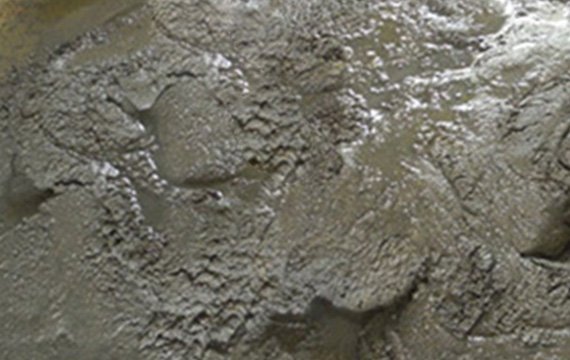
Starch ether is a crucial additive in building mortar and renders used in construction. By improving workability and adhesion, it enhances the performance of these materials. When added to cement mortar, starch ether helps create a strong bond between bricks or blocks. This ensures stable walls and structures. It also aids in reducing shrinkage and cracking. Finally, leading to more durable and long-lasting construction performance.
2. Starch Ether for Adhesives
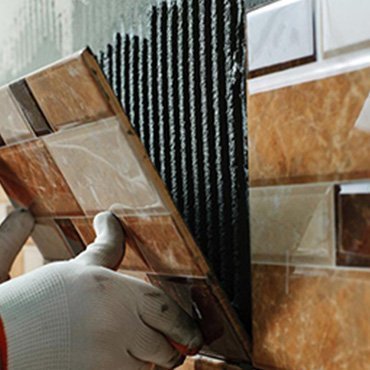
In the construction industry, starch ether is utilized to formulate adhesives. When added to adhesive compositions, starch ether enhances the adhesive’s bonding properties. This helps in making it more effective in adhering to various materials. This is particularly valuable in applications like wall coverings, flooring installations, and panel fixations where reliable adhesion is essential for the structural integrity of the building.
3. Starch Ether for Wall Putty
Starch ether is widely used in wall putty formulations. As a rheology modifier, it optimizes the flow and viscosity of the putty mixture. This makes applying and spreading the wall putty evenly on surfaces easier. Resulting in a smooth and uniform finish. Additionally, starch ether contributes to the overall stability and workability of the wall putty. It allows for improved adhesion and reduced cracking.

4. Starch Ether for Concrete Mixtures
Starch ether facilitates easier pouring and distribution by optimizing the concrete mixture’s flow. This leads to efficient concrete placement. Using starch ether in concrete also helps control bleeding and segregation. It can result in higher-quality concrete with enhanced durability.

Sustainable Construction with Starch Ether
Sustainability has become a central focus in the construction industry. Starch ether aligns perfectly with this objective as it is derived from renewable plant sources. The manufacturing process of starch ether generally has a lower carbon footprint than many synthetic additives commonly used in the construction industry. As a result, incorporating starch ether into construction materials can help reduce greenhouse gas emissions. And the overall environmental impact associated with construction projects.

Conclusion & WOTAIchem
Starch ether has undoubtedly carved its niche in the construction industry as an invaluable additive. Its ability to enhance workability, improve bonding strength, and reduce shrinkage has revolutionized how cement-based materials are utilized in construction projects. As sustainability becomes a driving force in the industry, the demand for starch ether is expected to grow even further. With its outstanding properties and eco-friendly nature, starch ether is shaping the future of construction. Finally, creating structures that are not only sturdy but also environmentally responsible.
WOTAIchem is a leading starch ether factory and manufacturer in China. We have years of experience and advanced HPS manufacturing facilities. WOTAIchem ensures our excellent products meet the highest quality and performance standards. No matter where your construction project is located, our efficient supply chain system and logistics support ensure easy access to our premium starch ether products. We work with efficient logistics partners to guarantee timely delivery, regardless of the scale or location of your construction endeavors.

You can trust WOTAIchem for reliable OEM solutions that enhance the workability and durability of your construction materials. Start your journey towards sustainable construction with WOTAIchem’s HPS powder. Contact WOTAIchem today to request your free samples! And experience the difference our eco-friendly products can make in your construction endeavors. Let’s build a better future together!


Posted by Isabel leave words
Hi, I've been in this industry for five years. I hope you enjoyed my blog. Welcome to leave a comment down below.
Leave a Reply