


Grout Tiling with WOTAI Construction Additives
Unsanded tile grout is a versatile solution designed explicitly for ceramic, porcelain, and other small tiles. It is designed to provide a smooth and even finish for your tiles. WOTAI HPMC formula provides easy adjustments to the colour and consistency of the grout. It’s your most essential additive to achieve a seamless finish.
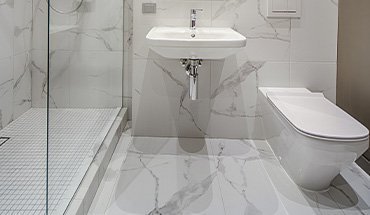
HPMC-based tile grout without sand is perfect for ceramic tiles, providing a smooth and even finish for your installation. Its water-resistant properties also suit wet areas such as bathrooms, kitchens, and swimming pools.
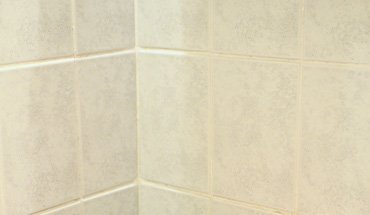
HPMC-based tile grout without sand is an excellent option for porcelain tile installations. Its customizable formula allows for easy adjustments to the colour and consistency of the grout, providing a seamless finish for your porcelain tiles.
HPMC-based tile grout without sand can provide a precise and clean finish for small tile installations, such as backsplashes or decorative accents. Its customizable formula can be adjusted to match the colour of your tiles.
Unsanded Tile Grout with HPMC achieving Your Desired Results
HPMC-based tile grout without sand is a versatile grout solution that is specifically designed for use with ceramic, porcelain, and other small tiles.
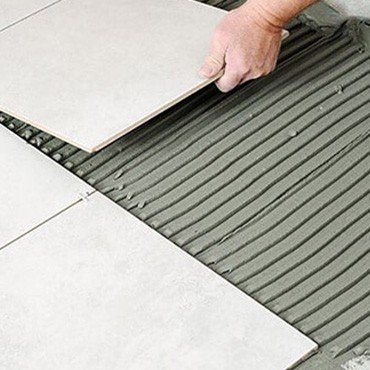 Smooth and Even Finish
HPMC-based tile grout without sand provides a smooth and even finish for your tile installations, helping to create a polished look.
 Customizable Formula
With its customizable formula, the grout allows for easy adjustments to match the colour and consistency of your tiles, a versatile and reliable solution.
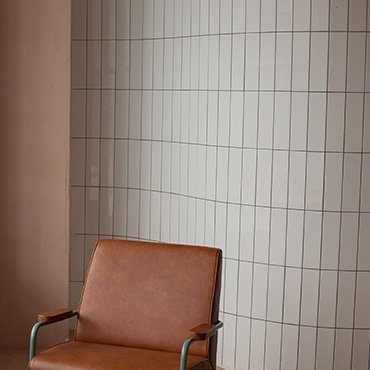 Precise and Clean Finish
For small tile installations, tile grout provides a precise and clean finish, helping to create a cohesive and polished look, and it’s water-resistant.

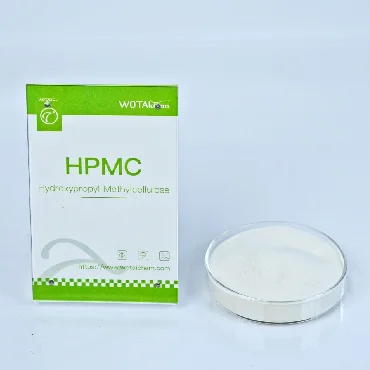
Discover More Similiar Applications
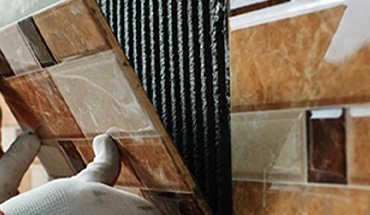
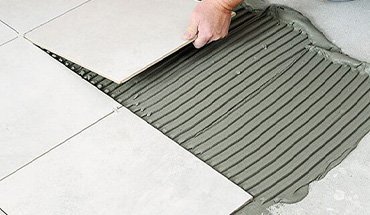

FAQ
Have any questions? We’re here to help you out.
The choice of sanded or unsanded grout will largely depend on where you’re using it.
Sanded grout is preferred for interior flooring due to its superior durability and stability. The added fine sand in this mixture helps provide a tight lock when installed and should be sealed afterwards.
Unsanded grout is best used for smaller joints and delicate surfaces such as countertops, walls, and bathtub enclosures. Due to its lack of sand particles, unsanded grout can better stick to fine surfaces while preventing cracking with applied pressure. Although sealing isn’t always necessary, preserving the material’s longevity is usually recommended.
Unsanded grout tends to be more difficult to clean than sanded grout due to its smoother texture. While less porous, it still collects dirt and other debris more readily. It is important to regularly use a brush and cleaning solutions to ensure the grouting around tiles remains free of any buildup. Ultimately, cleaning either type of grout requires consistent effort and attention, which helps to keep a surface looking better.
When tiling a bathroom or shower wall, it is acceptable to use either sanded or unsanded grout. However, the slump associated with sanded grout has led to the preference for the former on vertical surfaces. However, sanded type is recommended in cases of greater distance between tiles.
 Contact Us