
 Send Your Inquiry

Redispersible Polymer Powders (RDP Powders): The Ultimate Easy-to-Understand Guide
What Are Redispersible Polymer Powders (RDP Powders)?
Redispersible polymer powders are special additives that make building materials work better. They’re an important chemical additive that improves how materials like adhesives, mortars, and paints perform.
These powders start as liquid polymer emulsions, which are processed into a dry, easy-to-handle powder. When you mix RDP powders with water, they turn back into a stable liquid form, which enhances the properties of construction materials.

Redispersible polymer powders are widely used in construction because they’re versatile and fit many applications, including tile adhesives, insulation systems, and repair mortars. Let’s dive into the different types of RDP powders, how they’re made, their properties, and how to store and use them.
What Are Redispersible Polymer Powders Made of?
Redispersible powders are made by spray-drying liquid polymer emulsions into fine powder. This process makes them easy to store and mix into building material formulas. These powders act as binders, improving the strength, flexibility, and ease of use of construction products.
The most common redispersible powders are made from:
⚪ Acrylic-based polymers
⚪ Vinyl acetate-ethylene (VAE) copolymers
⚪ Styrene-acrylic polymers
Each type of redispersible polymer powder is designed for specific uses, depending on the properties needed, such as flexibility, water resistance, or durability in extreme temperatures.
Common Redispersible Polymer Powder Types and Where to Use Them
1. Acrylic-based RDP powders
These are known for excellent flexibility and adhesion, making them perfect for tile adhesives and thin-layer mortars.
2. Vinyl acetate-ethylene (VAE) RDP powders
These powders are highly water-resistant, making them a great choice for exterior applications like weatherproof coatings.
3. Styrene-acrylic RDP powders
With a combination of strength and flexibility, these are often used in exterior insulation and finish systems (EIFS).
Some redispersible powders are specially formulated for unique applications. For example, anti-bacterial redispersible powders are used in hospitals, while others are designed for extreme weather resistance. Knowing the properties of each type can help you choose the best one for your project.

Why Choose WOTAIchem™ RDP powders?
WOTAIchem™ offers various chemical additives to meet the diverse needs of multiple industries, including building and construction, daily chemicals, paints and coatings, etc.
Redispersible powders are one of our most popular products, and we can customize different models to meet your needs (see specific models of WOTAIchem™ below). Whether you’re looking for improved water resistance, flexibility, or specific performance features, WOTAIchem™ has a solution.
※ rdp-t5046n (BEST-SELLING!!!)
By understanding the unique properties of redispersible polymer powders, you can make better choices for your construction materials, ensuring your projects are durable, efficient, and high-quality. To learn more about us, feel free to download our RDP powder brochure.pdf.

Simplified Guide to Making Redispersible Polymer Powders
How Are RDP Powders Made?
The production of redispersible powders involves three main steps: creating the polymer emulsion, spray-drying it, and packaging the final product.

1. Making the Polymer Emulsion
The process starts by mixing raw ingredients like monomers, emulsifiers, and water under controlled conditions. This forms a stable liquid emulsion that is ready for the next step.
2. Spray Drying
The emulsion is sprayed into a chamber with hot air. The heat quickly dries the liquid into a fine powder while keeping its useful properties intact.
3. Cooling and Packaging
The powder is cooled, sieved to ensure uniform particle size, and packed in moisture-resistant bags to maintain its quality during storage and transportation.
Key Properties and Benefits of Redispersible Polymer Powders
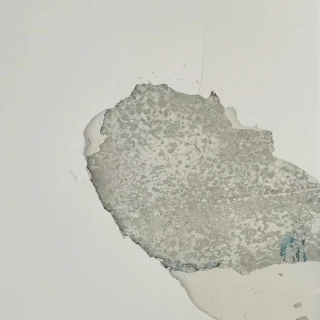
RDP powder is added RDP powder is not added

· Improved Adhesion
Redispersible powders enhance bonding between surfaces, making them ideal for tile adhesives and wall coatings.
· Flexibility and Elasticity
They help materials handle temperature changes without cracking or breaking, ensuring durability.
· Water Resistance
Redispersible powders reduce water absorption, protecting materials from moisture damage. This is especially useful for outdoor applications.
· Better Workability
They make formulations smoother and easier to apply, improving the overall finish.
Where Are RDP Powders Used?
1. Tile Adhesives
Redispersible powders boost initial bonding strength, helping tiles stick better and stay in place longer.
2. Repair Mortars
They improve flexibility and reduce cracking during curing, extending the lifespan of repairs.
3. Exterior Insulation and Finish Systems (EIFS)
Redispersible polymer powder provides water resistance, protecting insulation and maintaining energy efficiency.
4. Self-Leveling Floors and Decorative Renders
They enhance the beauty, durability, and application ease of these materials.

Why RDP Powders Are Important in Construction?
Redispersible polymer powders are essential in creating high-performance building materials. As demand for durable and eco-friendly products increases, RDP powders help manufacturers meet these needs by:
▪️Enhancing the strength, flexibility, and water resistance of materials.
▪️Supporting sustainable construction by reducing reliance on solvent-based products.
▪️Contributing to energy-efficient solutions like better-insulated buildings.
Proper Packaging and Storage
How to Package Redispersible Powder?
▪️Use moisture-resistant, airtight bags or containers to prevent clumping and quality loss.
▪️Labels should include important details like product type, manufacturing date, and safety instructions.
How to Store Redispersible Powder?
▪️Keep them in a cool, dry place, away from heat and sunlight.
▪️Avoid moisture exposure, as it can ruin the powder’s properties.
▪️Follow a “first-in, first-out” system to use older stock first and maintain quality.

Final Thoughts
Redispersible polymer powders are vital in modern construction. They improve material performance by adding strength, flexibility, and water resistance. Understanding their production, properties, and uses helps buyers and manufacturers make better decisions, ensuring high-quality results in their projects.
As the construction industry moves towards sustainability and better materials, the role of redispersible powder will only grow. By storing and handling them properly, you can maximize their benefits in your application!

Posted by Isabel leave words
Hi, I've been in this industry for five years. I hope you enjoyed my blog. Welcome to leave a comment down below.
Hola Isabel
Busco un RDP para usarlo como fijador en blanqueo de invernaderos
Que me sugieres de vuestros productos
Tienes experiencia en este sector ?
Saludos
Leave a Reply